
Pancreatic Cancer Symptoms

Pancreatic cancer rarely causes noticeable symptoms in its earliest stages. As the disease progresses, symptoms may appear due to the relationship between the pancreas and other digestive organs. For people of average risk, there are currently no widely recommended screening tests to detect pancreatic cancer before symptoms occur.

The exact cause of pancreatic cancer is unknown. In most cases, it occurs when cells that line the ducts of the pancreas grow out of control (pancreatic adenocarcinoma). This accounts for 90% of pancreatic cancer cases. Although rare, cancer can also form in hormone-producing (neuroendocrine) cells of the pancreas, called a pancreatic neuroendocrine tumor.

If you experience any symptoms of pancreatic cancer, your physician may perform lab tests or imaging exams to confirm a diagnosis. If you are diagnosed, your team will determine the specific type and stage of the cancer and develop a treatment plan.

Knowing Common Symptoms of Pancreatic Cancer

Symptoms of pancreatic cancer vary depending on where a tumor originates. Most people with cancer at the head of the pancreas, located on the right side of the abdomen, will notice jaundice (a yellowing of the skin and whites of the eyes) as one of their first symptoms.

People with cancer at the body or tail of the pancreas, located in the upper abdomen or on the left side near the spleen, are more likely to experience weight loss. Tumors in the body or tail of the pancreas are often diagnosed at a later stage.

See your doctor if you experience any new, persistent or unexplained symptoms such as:


  • Appetite loss or unintended weight loss
  • Blood clots
  • Chronic pancreatitis
  • Dark-colored urine or light-colored stools
  • Depression
  • Fatigue
  • Itchy skin
  • Pain in the upper abdomen that radiates into the middle of the back
  • Sudden-onset diabetes

Any of these symptoms can be caused by something other than cancer. The only way to know what is causing a particular symptom is to see your doctor.

Listen to Your Body

You know your body — what is normal and what is not. It is important to stay vigilant about any ongoing, recurring or worsening symptoms. Consulting your physician when symptoms begin or worsen can lead to an earlier diagnosis and better outcomes.

Keep a record of your symptoms to monitor how often they occur and if they seem to be getting better or worse with time. If something feels “off” or a change from your normal experience, schedule an appointment with your health care provider as soon as possible

What To Do if an Inherited Disease Runs in Your Family

What To Do if an Inherited Disease Runs in Your Family

Many families have a disease or condition that seems to "run in the family." But when should you worry about it? Follow these steps if you think you or your loved ones are at risk for developing an inherited disease such as pancreatic cancer.

Pancreatic Cancer Diagnosis
Find information about the tests and tools used to diagnose pancreatic cancer.
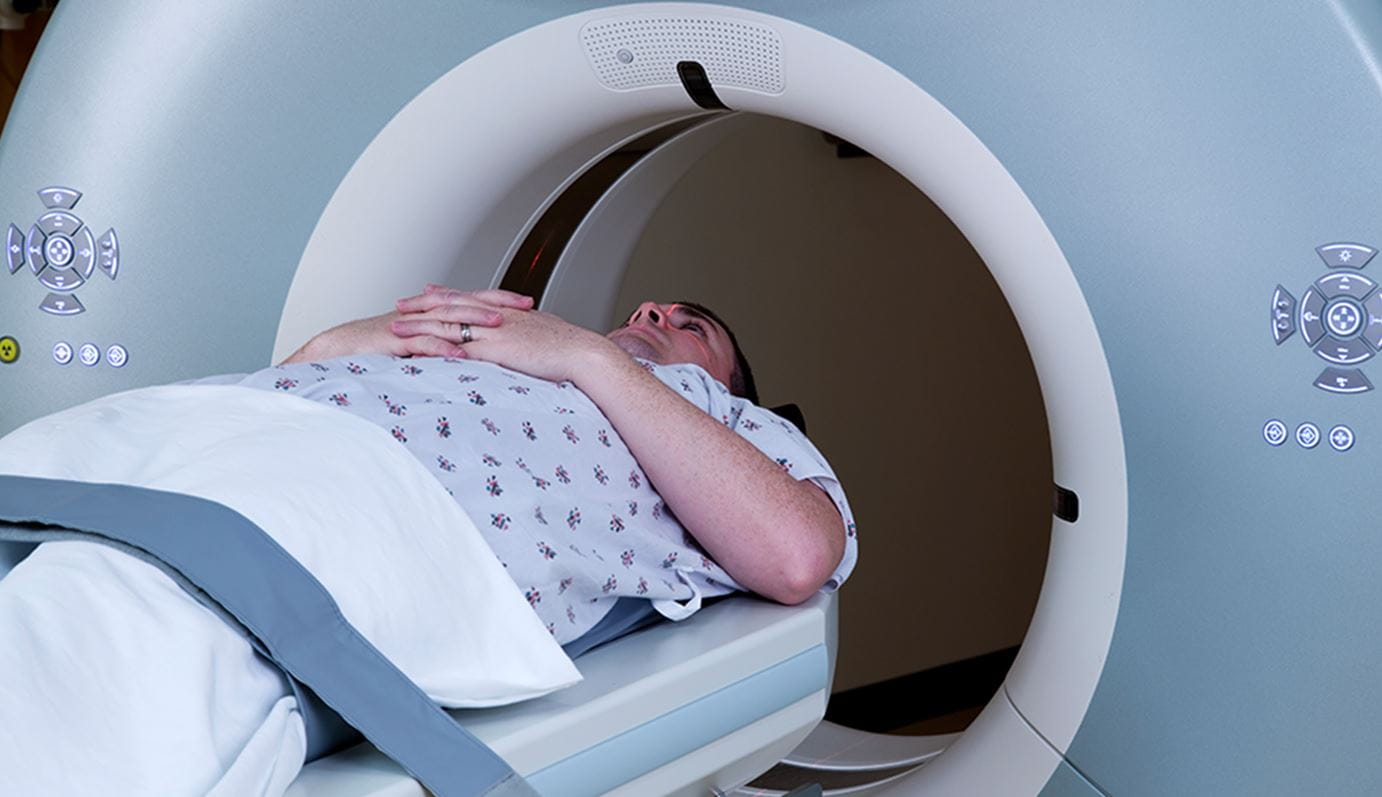
Patient undergoing a scan
Pancreatic Cancer Treatments
Find details about treatment options for pancreatic cancer.

Choose a Doctor at One of Our Locations

FILTERS:
    Clear All Filters
    No results were found that matched your search criteria. Please try removing filters or zooming out on the map.
    TOP