Blood Tests
Labs may be required to check the levels of several key substances in your blood. Blood tests may be used to look for tumor markers that signal pancreatic cancer, such as elevated level of CA 19-9 or carcinoembryonic antigen (CEA).
If you have jaundice, your doctor will also conduct a liver function test to look at your bilirubin levels.
Imaging Tests
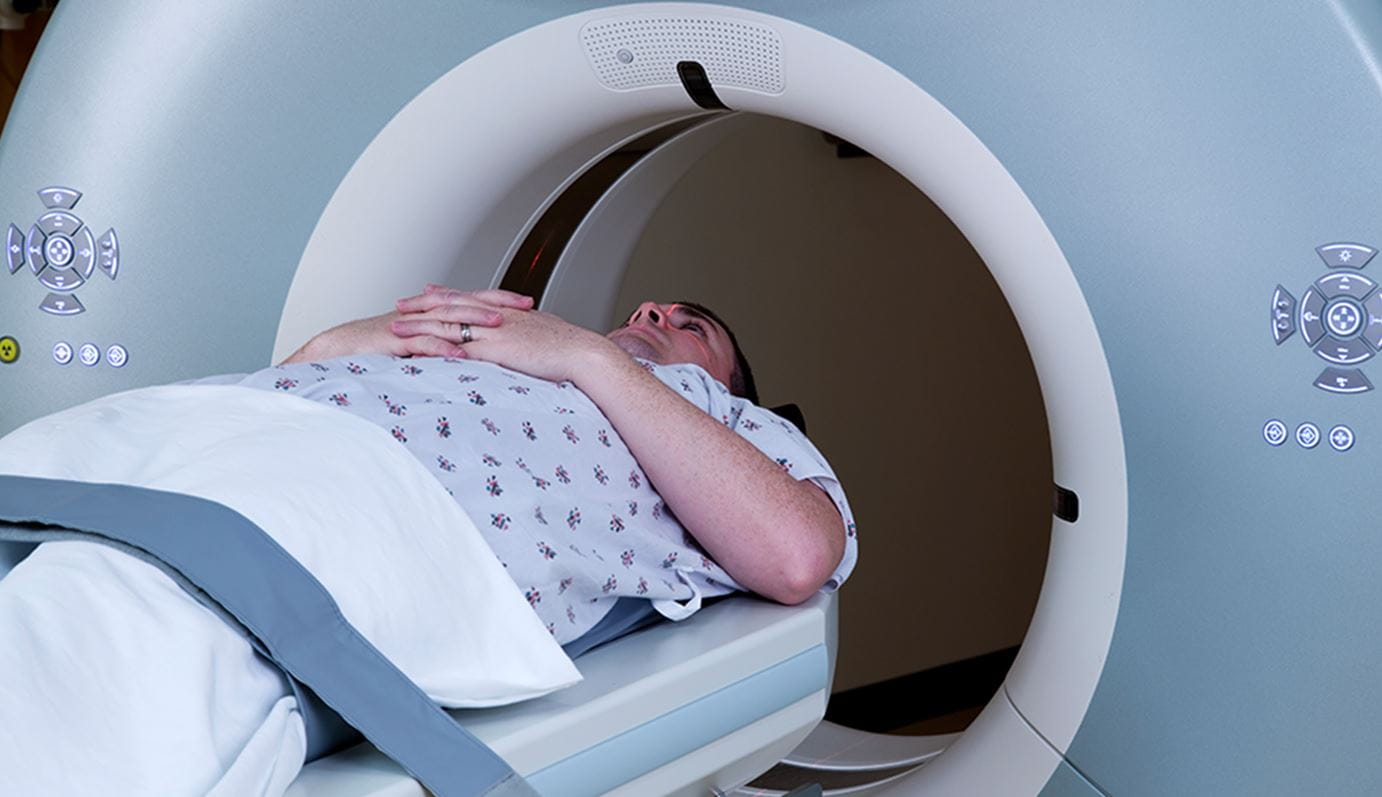
Your doctor may conduct one or more imaging tests such as ultrasound, magnetic resonance imaging (MRI), computerized tomography (CT) or positron emission tomography (PET) scans to identify the location of the pancreatic cancer and determine whether it has spread to other organs.
Endoscopic Ultrasound
An ultrasound is a type of imaging test that uses sound waves to visualize organs inside the pancreas and detect any abnormalities. An endoscopic ultrasound can detect small pancreatic tumors that could be missed with an MRI.
An endoscopic ultrasound is a thin tube with a camera at the end that is passed through the mouth and into the stomach. The ultrasound probe at the end allows imaging of the pancreas, stomach and small intestine. If necessary, an ultrasound-guided biopsy (tissue sample) from the pancreas is taken.
Magnetic Resonance Imaging (MRI) Scan
An MRI scan uses magnets and radio waves to provide cross-sectional images of the pancreas and nearby organs.
Computed Tomography (CT) Scan
A CT scan is a type of imaging test that uses X-rays to create detailed cross-sectional pictures inside the body. The scan creates a 3D view of your pancreas and nearby organs to help your doctor identify tumors.
Positron Emission Tomography (PET) Scan
For a PET scan, your doctor injects you with a slightly radioactive form of sugar that collects in cancer cells. Then your doctor uses a special camera to take pictures of areas of radioactivity. A PET scan is primarily used to look for cancer spread (metastasis) to help determine the stage of pancreatic cancer.
Biopsy
A biopsy is a type of exploratory surgery to remove cells or tissue for testing in order to determine whether or not a tumor is cancerous. The two main types of biopsies conducted to confirm pancreatic cancer are an endoscopic biopsy and a percutaneous biopsy.
An endoscopic biopsy is conducted during an endoscopic ultrasound. Your doctor passes a needle into the tumor and uses a brush to remove cells from the bile or pancreatic ducts to test for cancer.
For a percutaneous (through the skin) biopsy, your doctor inserts a thin hollow needle through the skin to remove a small piece of the tumor to test for cancer.

Pancreatic Ductal Adenocarcinoma Study Unveils Key Molecular Differences Based on Tumor Location
Tumors originating in different regions of the pancreas have significant molecular differences, according to a Houston Methodist-led study that provides promise for transforming the therapeutic landscape for patients diagnosed with pancreatic ductal adenocarcinoma (PDAC).

What To Do if an Inherited Disease Runs in Your Family
Many families have a disease or condition that seems to “run in the family.” But when should you worry about it? Follow these steps if you think you or your loved ones are at risk for developing an inherited disease such as pancreatic cancer.