
Ranked #10 in the Nation for Cardiology, Heart & Vascular Surgery
Houston Methodist Hospital is ranked Best in Texas and No. 10 in the nation by U.S. News & World Report for Cardiology, Heart & Vascular Surgery. U.S. News & World Report has also named Houston Methodist Hospital one of the nation's best as a nationally ranked Honor Roll hospital.
What Is LVAD Surgery?
LVAD surgery is a procedure in which a mechanical pump is implanted in your heart’s main pumping chamber to help move blood throughout your body.
The device helps the left ventricle pump blood throughout the body when the heart can no longer circulate enough blood to meet the body's needs. Depending on your condition, an LVAD may be used temporarily or as a long-term treatment to improve function and quality of life.
In most cases, LVADs are considered when symptoms continue to worsen despite medication or other therapies, or when additional support is needed while preparing for heart transplant. An LVAD does not cure heart failure, but it can help improve blood flow, reduce symptoms and support daily functioning in people with advanced disease.
How Does LVAD Implantation Work?
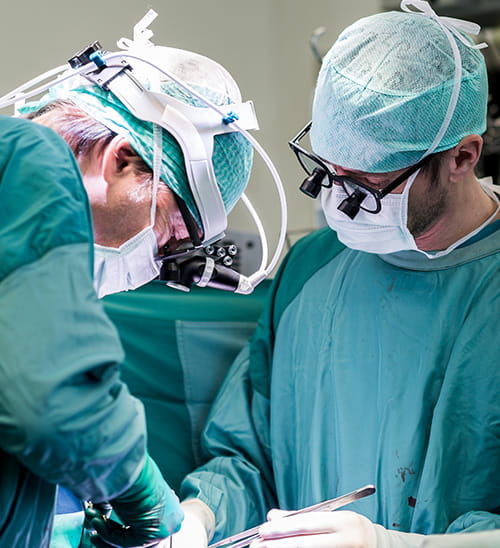
LVAD surgery is performed under general anesthesia, so you will be asleep throughout the procedure.
During surgery, your surgeon places the pump in your chest and connects it to your heart and a major blood vessel. The device continuously assists blood flow from the left ventricle to the rest of the body. A small cable exits through your skin and connects to an external controller and power source that keeps the pump running continuously.
Whenever possible, minimally invasive techniques may be used to support recovery. Your care team uses advanced imaging to guide placement and ensure the device is functioning properly.
After surgery, the focus shifts to recovery, learning how to manage the device and gradually returning to daily life with support from your care team.
What Conditions Do LVAD Implants Treat?
LVAD therapy may be considered for people with advanced heart failure when symptoms continue to worsen despite guideline-directed medical therapy and other treatment options.
Common conditions include:
Heart Failure
LVADs are most often used to treat advanced heart failure, when the heart cannot pump enough blood to meet the body’s needs.
Dilated Cardiomyopathy
Dilated cardiomyopathy weakens and enlarges the heart, reducing its ability to pump blood effectively.
Ischemic Cardiomyopathy
Reduced blood flow to the heart muscle — often caused by coronary artery disease — can lead to severe heart failure requiring additional support.
Myocarditis
Severe inflammation of the heart muscle, or myocarditis, can impair function and, in some cases, require temporary or long-term mechanical support.
Who Qualifies for LVAD Surgery?
You may be a candidate for LVAD surgery if you have severe symptoms, frequent advanced heart failure hospitalizations, worsening heart function or declining quality of life despite treatment.
LVADs are often considered if:
- Heart failure significantly limits daily life
- Additional support is needed while waiting for transplant
- Transplant is not an option and ongoing support is needed
LVAD Evaluation
Before recommending an LVAD, your doctor performs a comprehensive evaluation to determine whether it is the right option. This evaluation may include:
- Review of your overall health and medical history
- Assessment of heart function and severity of heart failure
- Evaluation of kidney and liver function
- Discussion of your support system and ability to manage the device
Because living with an LVAD requires daily device management, medication adherence and regular follow-up, caregiver support and a reliable home environment are important parts of the evaluation process.
Preparing for LVAD Implantation
Preparing for LVAD surgery involves several steps to ensure you are ready for both the procedure and recovery. Before surgery, your care team may recommend:
- Cardiac imaging and lab work
- Evaluation of kidney, liver and lung function
- Medication adjustments
- Nutritional support
- Education for you and your caregiver on device use and care
- Psychological evaluation and support planning
- Guidance on stopping smoking or alcohol use
Recovering From LVAD Surgery
Recovery timelines vary from person to person. Most patients spend several days in the ICU, followed by about one to two weeks in the hospital. Before discharge, you and your caregiver will be trained on how to manage the device and care for your health at home.
In the first few weeks after surgery, your focus will be on healing, building strength and learning how to safely manage the device. Over time, activity levels gradually increase with guidance from your care team, often including cardiac rehabilitation and physical therapy.
Living with an LVAD requires ongoing care, including regular follow-up visits, medication management and monitoring of device function. With training, rehabilitation and ongoing support, many people are able to return to many daily activities while living safely and independently with an LVAD.
Choose a Doctor at One of Our Locations