
Know Your Heart Attack Risk Factors
A risk factor is anything that increases your odds of experiencing a heart attack. It is important to be aware of your individual risk factors.
Personal risk factors include:
One or more risk factors do not guarantee you will experience a heart attack. At the same time, few or no risk factors do not mean you will not experience a heart attack.
Your cardiologist works with you to reduce your risk of heart disease. We use advanced heart imaging techniques to assess your level of risk. If needed, we create a care plan specific to your condition and needs to help you achieve your highest level of cardiovascular health.
To discuss your specific risks and prevention tactics, book an appointment with one of our specialists.
Personal risk factors include:
- Age – age 55 or older for men, 65 or older for women (though a heart attack can occur at any age). Aging is linked to damage to or narrowing of the arteries.
- Family history of heart disease
- Heart conditions like arrhythmia (an irregular heartbeat) or an enlarged heart
- Personal history of heart disease
Additional health and lifestyle risk factors include:
- Chronic or extreme stress
- Diabetes
- Excessive alcohol consumption
- High blood pressure or hypertension –if uncontrolled, high blood pressure is linked to hardening or thickening of the arteries
- High cholesterol (hypercholesterolemia) or triglyceride levels
- Obesity
- Sedentary lifestyle
- Smoking
One or more risk factors do not guarantee you will experience a heart attack. At the same time, few or no risk factors do not mean you will not experience a heart attack.
Your cardiologist works with you to reduce your risk of heart disease. We use advanced heart imaging techniques to assess your level of risk. If needed, we create a care plan specific to your condition and needs to help you achieve your highest level of cardiovascular health.
To discuss your specific risks and prevention tactics, book an appointment with one of our specialists.

What to Know About a Heart Attack
It pays to recognize the warning signs and symptoms of a heart attack. As much as 85% of the damage to your heart takes place in the first two hours of a heart attack. By acting immediately, you can help prevent damage and avoid sudden death.
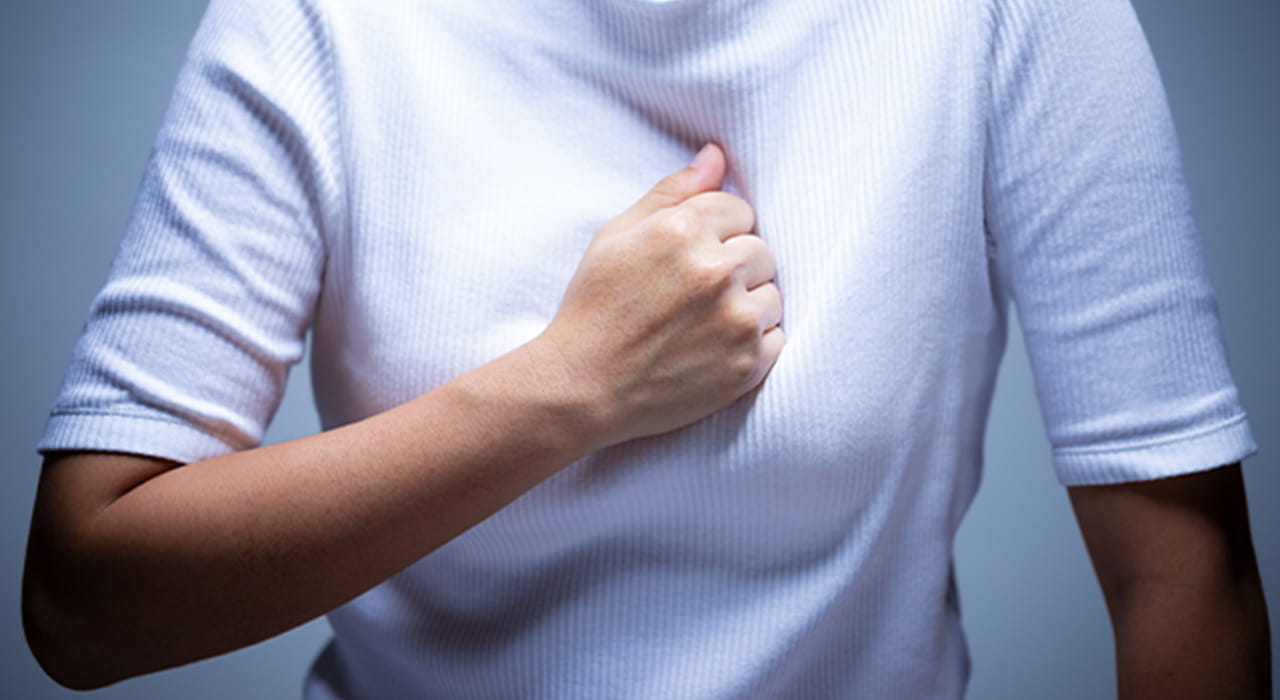
Angina & Chest Pain
Angina is a type of chest pain resulting from reduced blood flow to your heart. It typically feels like a heavy or crushing pain in the chest that can spread to the arms, shoulders and back — similar to what is experienced during a heart attack.


Choose a Doctor at One of Our Locations
FILTERS:
Clear All Filters