
Orthopedic Spine Care

Pain and stiffness in the arms, legs, neck, or upper or lower back can feel like a minor annoyance and be frustrating, but it actually may be an indicator of more serious problems. Putting off seeing a doctor can result in worsening pain or symptoms or limitations in your mobility, sidelining you from your daily life. 

Getting to the root cause of your pain — which can be stress- or lifestyle-related, caused by bad posture when working, watching TV or sleeping — is paramount. Whether your pain is caused by sciatica, radiculopathy, spinal cord compression (myelopathy), or cervical, thoracic or lumbar stenosis or disc herniation, the best treatment for spine problems all starts with the comprehensive care you’ll receive from the board-certified orthopedic specialists at Houston Methodist.  

Our Approach to Orthopedic Spine Care

The orthopedic spine specialists at Houston Methodist treat all types of spine-related disorders, including back and neck pain, spinal cord pinching, congenital disorders, degenerative conditions, injuries and more. 
 
Our doctors use the most state-of-the-art diagnostic technologies, allowing us to build a targeted treatment plan tailored to your specific needs. These advanced diagnostics, combined with our surgical expertise and outstanding orthopedic rehabilitation care, allow us to deliver the most sophisticated treatments available.
Understanding Common Spine Issues

The spine experts at Houston Methodist specialize in treating the full spectrum of spinal conditions and injuries, from direct back and neck pain to arm or leg pain caused by underlying spine issues, including arthritis, herniated disk, spinal tumors and more.
  • Herniated Disks & Spinal Disk Degeneration

    Spinal disks are the cushions between the vertebrae that provide shock absorption, support and flexibility to the skeletal system. These disks are made of cartilage and fibrous tissue that can deteriorate or be damaged. A herniated disk is an acute condition in which the outer layer of the disk tears, causing the inside to bulge out, usually caused by an injury or impact. This may lead to radiating leg pain or “sciatica,” numbness, tingling or occasionally weakness. Spinal disk degeneration happens over time and is progressive.
  • Spinal Stenosis & Nerve Compression

    The spinal cord is housed within the spinal canal. Spinal stenosis is the narrowing of that canal, which puts pressure on the spinal cord or its attached nerve roots and can lead to severe nerve issues, or, in more severe cases, spinal cord injury. The most common cause of spinal stenosis is age, but arthritis and previous neck and back issues can also factor in. Patients with spinal stenosis usually experience numbness, pain and tingling in the back or limbs, weakness in the arms, legs or hands, and may have difficulty walking or standing.
  • Scoliosis & Spinal Deformities

    Curvature of the spine can indicate several conditions, with scoliosis being one of the most common. Scoliosis involves an “S-” or “C-” shaped curvature and can be idiopathic (occurs spontaneously with an unknown cause), congenital (present from birth), or due to disk degeneration or arthritis. Other spinal deformities include kyphosis, a spine that curves excessively outward. Mild cases of these spinal conditions may not require treatment, though more severe instances could be cause for physical therapy, braces or surgery.
  • Sciatica & Pinched Nerves

    The sciatic nerve, the longest nerve in the body, runs from the lower back through each leg. When this nerve is compressed, it can cause sudden sharp pain, tingling and numbness from the buttocks through the thighs and down the leg. Spinal stenosis and herniated disks can both contribute to sciatica, leading to lumbar radiculopathy, or nerve compression. Conservative treatments are often the first line of attack, including hot and cold therapy, physical therapy and posture adjustments. If these treatments are not effective in alleviating the issue or your pain, then surgery may be necessary. 
  • Neck Pain From Muscle Strains or Cervical Conditions

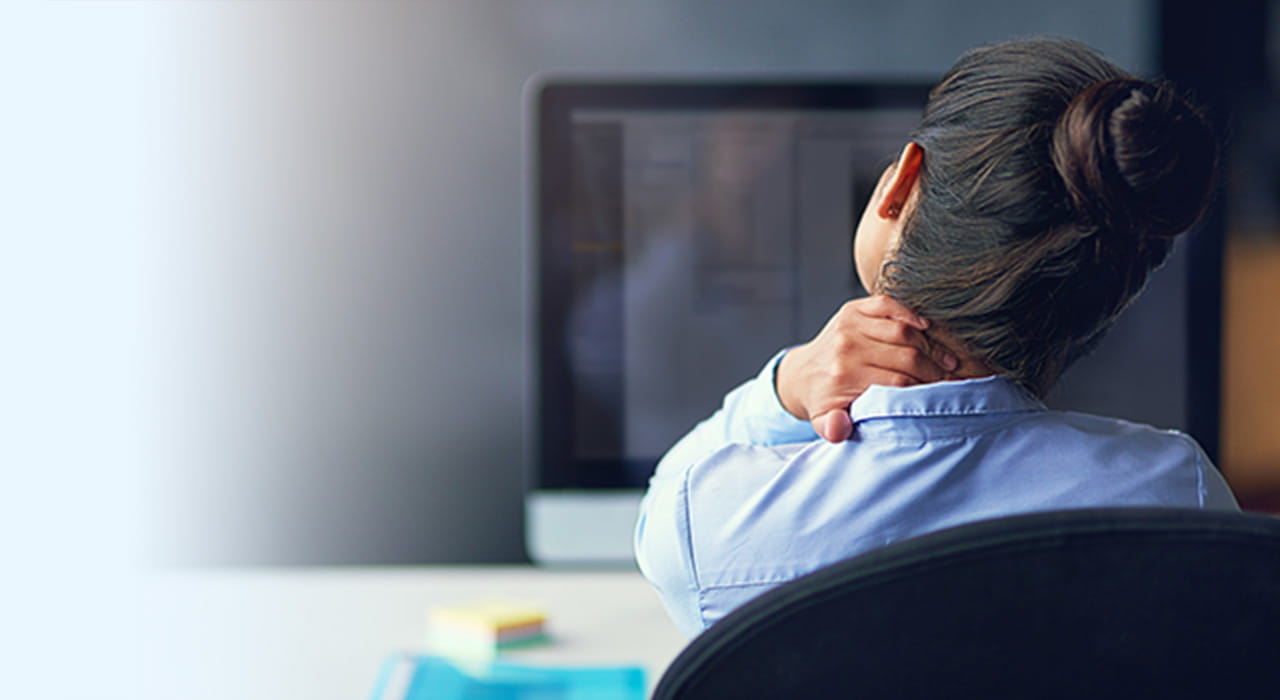
    When we say something is “a pain in the neck,” it’s often because the problem is frustrating, irritating and difficult to resolve — the same as a literal pain in the neck. Most of this type of pain comes from muscle strain due to poor posture, awkward sleep positions or overexertion while working out. Other types of neck pain can be caused by whiplash due to an accident, a pinched nerve or an existing condition like osteoarthritis.
Why Choose Houston Methodist for Spine Care

Why Choose Houston Methodist for Spine Care

It’s time that we stop normalizing back and neck pain as just a part of life. You don’t have to accept pain or limited mobility as the standard. The experts at Houston Methodist Orthopedics & Sports Medicine provide research-informed treatment, collaborative care and advanced technologies to get you back to living your life to the fullest. Our orthopedic spine surgeons are best-in-class, and work toward getting the most satisfactory outcome with the least amount of downtime and recovery. 


Our approach is backed by orthopedic spine research focused on minimally invasive innovation and better outcomes for back and neck care.


Explore Our Research >

Our Spine Treatment Options

We offer the most advanced neck and spine procedures, including minimally invasive surgeries, from our fellowship-trained orthopedic spine surgeons and specialists. Our goal is to get you back on your feet and back to life as soon as possible.

Physical Therapy & Rehabilitation

Many spine disorders and causes of neck and back pain can be treated with noninvasive physical therapy. Our skilled physical therapists work with patients to help them regain mobility, alleviate pain and improve their quality of life.

Pain Management & Injections

Injections offer a minimally invasive approach to spine and neck treatment. Several types of injections are available based on your diagnosis, and can include epidural steroids, nerve blocks and joint injections. Botox injections may also be indicated for muscle spasms. This treatment type can alleviate pain and kickstart the healing process, though your doctor may recommend future procedures and treatments.

Minimally Invasive Spine Surgery

Minimally invasive spine surgery (MISS) involves smaller incisions and cutting-edge technology to resolve common spine problems without the downtime or the risk of open surgery. Minimally invasive procedures are often used to address herniated disks or spinal stenosis, though some MISS procedures, such as kyphoplasty or vertebroplasty, offer a minimally invasive approach to treating traumatic injuries, like vertebral fractures.

Spinal Fusion & Disk Replacement

Spinal fusion involves joining together multiple vertebrae into one immobile structure, creating more stability, thereby reducing pain caused from abnormal motion of the spine or compression of a nerve. Disk replacement involves removing the disk in between the vertebrae (discectomy) and replacing it with a synthetic disk. Occasionally, when performed together, these procedures can create both stability and flexibility in the spine for patients with degenerative disk disease or other complex spinal conditions and injuries.

Nonsurgical Treatments & Lifestyle Modifications

Not every back or neck problem requires a surgical approach. There are many ways patients can improve their mobility and decrease their pain by making a few simple adjustments to their lifestyle. 

Hot and cold therapy is a first step toward reducing inflammation and getting back and neck pain under control. Light exercise and stretching can also help alleviate nerve compression but should be implemented conservatively to avoid worsening the condition. 

Additionally, losing weight and quitting smoking can help to reduce strain on the neck and back. There are also alternative approaches that can be explored, like acupuncture or chiropractic care, but these should always be performed by qualified medical providers. 

Common Back and Neck Symptoms

It typically isn’t hard to tell if you have a back or neck problem, as pain is usually the first and most obvious sign. But when should you seek the opinion of a specialist? Keep an eye out for these symptoms and warning signs of a problem that goes deeper than everyday aches and pains:

  • Pain that radiates from a central location through the shoulders, back, arms, legs or buttocks
  • Numbness and/or tingling in the feet and legs, or hands and arms
  • Muscle weakness in the arms or legs
  • Ongoing headaches, particularly with movement of your neck
  • Muscle stiffness or problems with mobility


Seek immediate care if your back or neck pain is accompanied by these symptoms:


  • Bowel or bladder incontinence
  • Extreme weakness in the legs and/or difficulty standing
  • Numbness in the groin or buttocks
  • Unexplained fever
  • Sudden weight loss
  • Loss of balance or coordination

How Our Experts Diagnose Spine Problems

Diagnosis of spine, neck and back problems begins with a physical exam, and then often proceeds to imaging procedures that may include CT scans, MRIs or X-rays. Depending on the results, more advanced diagnostics may be recommended. These can include a nerve conduction study or electromyography (EMG) to isolate areas of nerve compression. Injection tests, blood tests and bone scans may also be used to get the most accurate assessment and create a personalized treatment plan.

Find a Doctor for Your Neck or Back Issues

Our specialists build a personalized treatment plan designed to get you moving and back to normal activities sooner. Find a spine, neck and back physician near you today.

FILTERS:
    Clear All Filters
    No results were found that matched your search criteria. Please try removing filters or zooming out on the map.

    Spine Frequently Asked Questions

    TOP