
Recognizing Heart Attack Signs Sooner Saves Lives
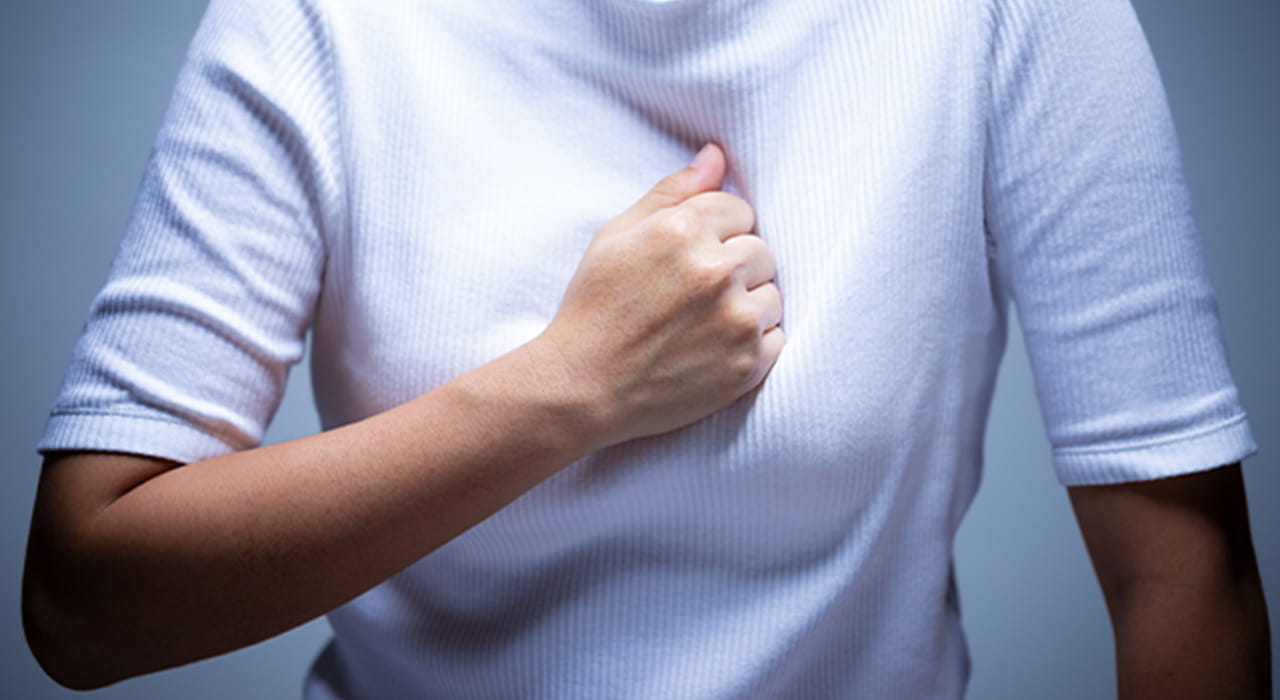
Cardiovascular disease can be accompanied by vague symptoms or by none at all. Learning to recognize the signs of a heart attack — as well as your risk factors — can save your life. Chest pain is the most common symptom of a heart attack for both men and women. A heart attack can present itself in several ways:
- Sudden, severe and debilitating chest pains
- Chest pains that gradually increase over several hours
- Mild chest pain symptoms that reoccur over several hours or days
Heart attack symptoms vary from person to person. Some people have mild pain. Others experience severe pain. Some have no pain at all leading up to the cardiac event.
Common symptoms or warning signs of a heart attack include:
- Chest discomfort – This often feels like pressure, squeezing, fullness or pain (angina) in the center or left side of your chest. It can last a few minutes or come and go.
- Pain in other areas – You might feel discomfort or pressure in your arms, back, neck, jaw or stomach. Sometimes, it can feel like indigestion or heartburn.
- Shortness of breath – This can happen with or without chest discomfort and might feel like you are unable to catch your breath.
- Cold sweat – You may break out in a sudden sweat that feels clammy or cold.
- Nausea or lightheadedness – You could vomit or feel dizzy, queasy or like you might faint.
Any of these symptoms can be caused by something other than a heart attack. The only way to know what is causing a particular symptom is to see your doctor.
Heart Attack Warning Signs May Vary in Women
Heart attack symptoms such as chest pain may be milder or more subtle in women, who are more likely to have their symptoms go unrecognized. Some women experience lesser-known symptoms such as shortness of breath, nausea or vomiting, or pain in the jaw, neck or back.
Other less common, subtle symptoms may occur such as:
- Anxiety or feelings of nervousness
- Insomnia (sleeplessness)
- Unexplained or unusual fatigue
Women have a higher chance of experiencing symptoms in their sleep, at rest or with mental stress, rather than with physical exertion. They are also more likely to tolerate or dismiss their symptoms as something else.
More about heart disease in women ➝
Listen to Your Body
You know your body — what is normal and what is not. Stay vigilant about any ongoing, recurring or worsening symptoms. Consulting your doctor when symptoms begin or worsen can lead to an earlier diagnosis and better outcomes.
If something feels “off” and you think you could be having a heart attack, call 911.
Signs of Heart Attack
The body can present warning signs of a heart attack in the days or hours leading up to a heart attack. Knowing the signs of a heart attack can help you act fast to save a life.