Anterior Lumbar Interbody Fusion (ALIF) Surgery
Houston Methodist spine surgeons use anterior lumbar interbody fusion (ALIF), a type of lumbar spinal fusion that approaches the spine from the front of the body. This approach may be recommended to stabilize the lower spine and relieve symptoms caused by instability or nerve compression when conservative treatments have not provided enough relief.
While most patients begin with nonsurgical care, ALIF — like any spinal fusion procedure — may be considered when symptoms persist and imaging confirms instability or structural disease as the source.
At Houston Methodist, ALIF is not a first-line treatment. Surgery is considered only when conservative care fails and clinical findings clearly support fusion.
What Is ALIF?
Anterior lumbar interbody fusion (ALIF) is a surgical procedure for removing a damaged or diseased spinal disk in the lower back and replacing it with an interbody implant. This procedure uses an anterior (front‑of‑body) approach that avoids the posterior (back) muscles. This approach allows for placement of a larger implant and may better restore disk height and spinal alignment in certain cases.
ALIF is one of several lumbar fusion techniques, including transforaminal lumbar interbody fusion (TLIF) and extreme lateral interbody fusion (XLIF), offered at Houston Methodist. The front‑of‑body approach with ALIF can be helpful in select cases, because it allows surgeons to restore disk height and alignment while avoiding the muscles in the back.

Why Choose Houston Methodist for ALIF Surgery
Houston Methodist spine specialists take a selective, evidence-based approach to ALIF, recommending this procedure only when it offers a clear advantage over posterior or lateral fusion techniques. Orthopedic spine surgeons and neurosurgeons collaborate to determine when ALIF is truly necessary — and when other approaches may better support long‑term outcomes.
Our goal is to help you achieve greater stability, reduced pain and confidence in your care plan. Our team — which includes more than 55 orthopedic spine surgeons and neurosurgeons — works together to evaluate whether surgery, and specifically ALIF, is appropriate based on your condition, anatomy and goals.

Ranked #13 in the Nation for Neurology & Neurosurgery
Houston Methodist Hospital is ranked Best in Texas and No. 13 in the nation by U.S. News & World Report for Neurology & Neurosurgery. U.S. News & World Report has also named Houston Methodist Hospital one of the nation's best as a nationally ranked Honor Roll hospital.
Learn More ➝

Ranked #21 in the Nation and Best in Texas for Orthopedics
Houston Methodist Hospital is ranked No. 21 in the nation by U.S. News & World Report for Orthopedics, receiving a high performing rating for back surgery. U.S. News & World Report has also named Houston Methodist Hospital one of the nation's best as a nationally ranked Honor Roll hospital.
How Does ALIF Work?
ALIF is typically performed under general anesthesia. During the procedure, your surgeon makes an incision in the lower abdomen to access the affected disk. The disk is removed, and an interbody implant is placed to restore disk height and help stabilize the spine.
A bone graft — from your body or a donor source — may be placed to support fusion. In some cases, pedicle screws or other instrumentation may be added to further stabilize the area. This approach may help restore alignment, relieve nerve compression and reduce painful motion. Over time, the bone graft helps the vertebrae grow together into a single solid segment.
In most cases, ALIF is performed as a single surgical procedure, though the exact plan depends on the complexity of the condition being treated.

ALIF Success Rates
ALIF is intended to provide long‑term stability and pain relief when painful motion or instability is the source of symptoms. The procedure can provide meaningful pain relief and improved stability, and many patients experience improvement in lower back pain and function after recovery.
Fusion does involve a trade‑off: Motion is reduced at the fused segment in exchange for greater stability. For many patients, this results in less pain and improved function overall. In rare cases, vertebrae may not fuse as intended or pain may persist, which is why careful patient selection and realistic expectations are essential parts of the decision‑making process.
For many people, fusion does not significantly limit everyday activities, as surrounding parts of the spine often compensate for the fused segment.
What Conditions Does ALIF Treat?
ALIF may be used to treat lumbar spine conditions associated with instability, deformity or persistent nerve compression, when non-surgical treatment options have not provided adequate relief. In many cases, patients continue with non-surgical management until symptoms, function or stability change enough to warrant surgery.
Degenerative Disk Disease
Degenerative disk disease is a common, age‑related condition in which spinal disks between vertebrae change over time and may lose shock absorption. Symptoms can include low back pain and radiating pain or numbness in the legs. Physical therapy and pain management are typically first‑line treatments before ALIF is considered.
Herniated Disk
A herniated disk occurs when disk material pushes through its outer layer and compresses nearby nerve roots, causing localized or radiating pain, weakness or numbness. In select cases where instability or recurrent nerve compression is present, ALIF may be recommended.
Though a bulging disk is similar, the center of the disk does not break through the disk casing.
Spinal Stenosis
Spinal stenosis involves narrowing of the spinal canal, which can place pressure on nerve roots and cause pain, numbness or weakness in the lower back and legs. This condition is commonly driven by age-related changes to the body, such as bone spur formation and thickening ligaments.
ALIF may be performed alongside decompression techniques when stabilization is needed.
Spondylolisthesis
Spondylolisthesis occurs when one vertebra slips forward or backward over the one below it, leading to instability and nerve compression. This can be caused by aging, spinal fracture or congenital differences (from birth).
In select cases, ALIF can help restore disk height and improve alignment by allowing placement of a larger implant that can better restore disk height and spinal alignment compared to posterior approaches.
Who Qualifies for ALIF?
ALIF is typically considered after failure of nonsurgical treatment and confirmation of a structural cause of symptoms. Candidacy depends on factors such as spinal stability, alignment, severity of symptoms and overall health.
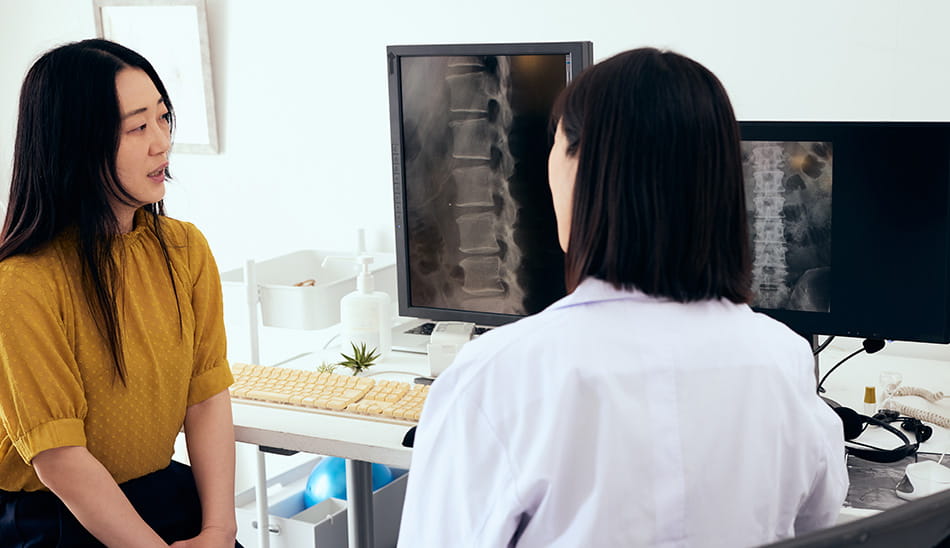
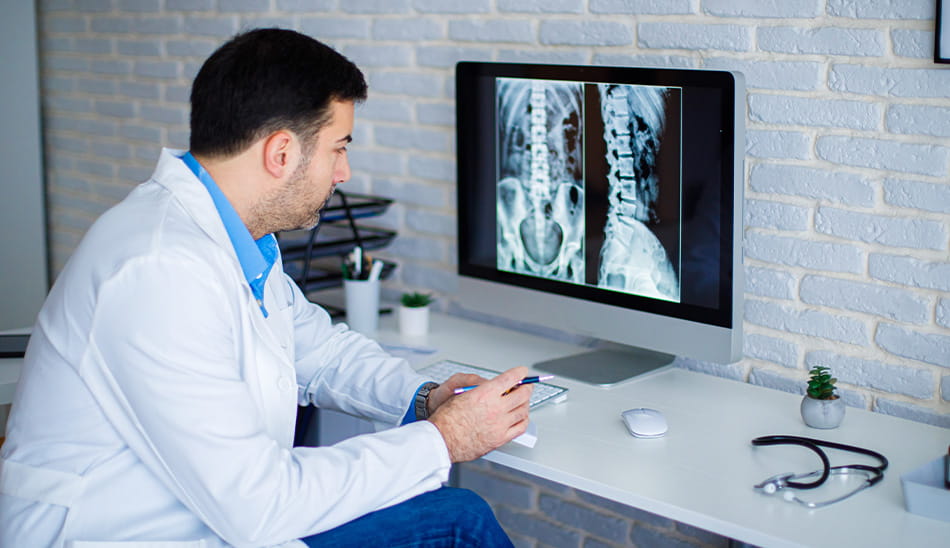
Your care team will review imaging tests such as MRI or CT scans, treatment history and symptoms to determine whether ALIF offers the safest and most durable option. ALIF — like any type of spinal fusion surgery — is recommended only when imaging, symptoms and response to prior treatments all point to spinal instability as the main source of pain.
When appropriate, your care team will also discuss less invasive or motion‑preserving options such as physical therapy, pain management and medication — and why ALIF surgery may or may not be recommended. In some cases, a less invasive or alternative surgical approach may be more appropriate.
Even with a confirmed diagnosis, you may not be an optimal candidate for ALIF, especially if you have vascular anatomy not compatible with surgery, or a history of prior abdominal procedures, in which case you may be better suited to a lateral or posterior approach. These factors matter because ALIF requires safe access to the spine through the abdomen, and in some cases another approach may offer a safer path.
Preparing for ALIF
Preparation begins before the procedure. Your doctor may recommend steps such as:
- Doing pre-surgical strengthening or conditioning exercises
- Avoiding smoking, vaping or other tobacco use
- Adjusting medications, including blood thinners
- Arranging a home support system, including help with transportation, meals and daily activities
- Planning for post-surgical support
- Eating a healthy, protein‑rich diet
- Showering with antimicrobial soap before surgery to prevent infection
- Avoiding food and drink after midnight before the procedure
Recovering from ALIF
Like any spinal fusion procedure, ALIF is a major surgery and typically requires a longer recovery period than less invasive procedures. Recovery varies by procedure and individual.
Many patients return to light daily activities within a few months, while full recovery and bone healing can take up to a year. Patients with desk jobs may be able to return to work after several weeks, while those in physically demanding roles may need time off for several months.
Walking regularly can help promote circulation and support healing. Avoid bending, lifting and twisting for at least six weeks after surgery. Physical therapy often plays an important role in regaining strength and mobility. Recovery plans include activity restrictions, physical therapy, pain management and gradual return to daily activities.
Convenient Spine Care Locations Across the Greater Houston Area
Across Houston, our patients have access to our expert neck, back and spine specialists so that you can get the best possible care personalized for your needs — without traveling far from home. Explore our footprint of locations in the Greater Houston area and suburbs below.