Stratton's Story
Novel Gene Therapy
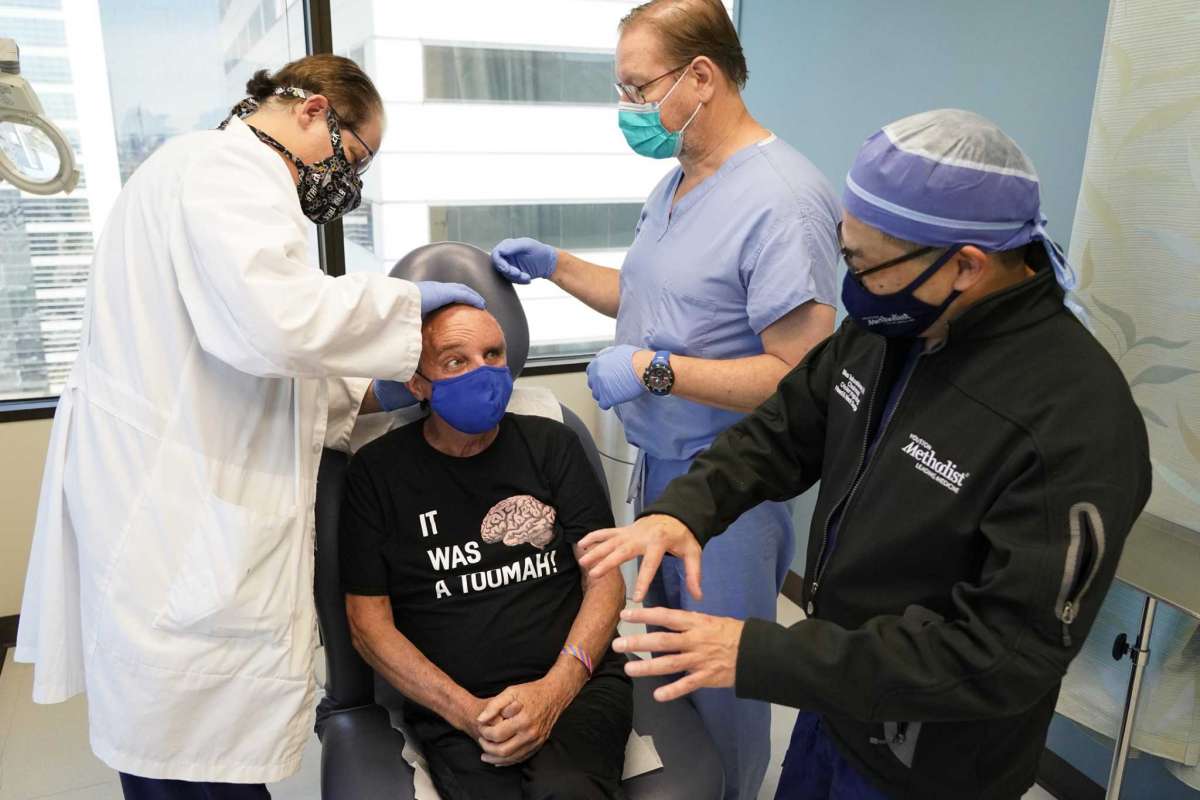
Treatment Stratton Muhmel was diagnosed with Glioblastoma – an aggressive brain tumor with a median survival timeline of 15 months. Refusing to give up, he came to Houston Methodist after learning about an experimental new treatment that may extend survival timelines for Glioblastoma patients.
Surviving and Thriving After Gene Therapy
Now, 1 year and 4 months later, Stratton is a 2020 graduate from Texas A&M Galveston. Learn more about our gene therapy clinical trial at the Peak Center. Watch Stratton's Surviving and Thriving video.
Ed's Story
Innovative Therapy for Glioblastoma Reduces Cancer Cells
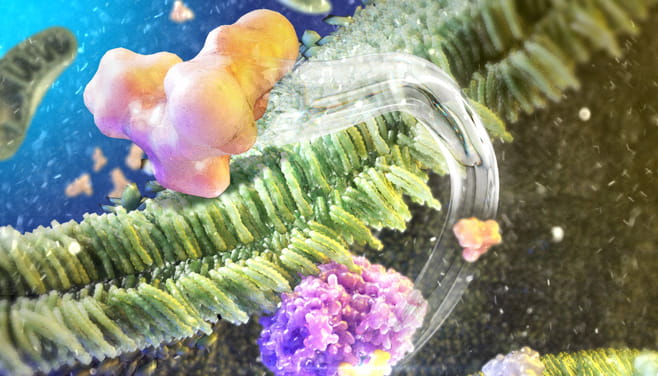
Ed McCumber’s glioblastoma was so malignant and aggressive, it recurred two times. Left with no options, he turned to neurosurgeon Dr. David Baskin, MD, for help. After removing the tumor, Baskin used a specialized form of therapy, invented at Houston Methodist, to attack the remaining cancer cells. Watch Ed's video.Gene Therapy Re-Treatment - Ed's Story
Today, over 2 years and 3 months later, Ed is the first patient in the world to be re-treated with the experimental gene therapy and he continues to defy the odds.
Matt's Story
The Longest Living Survivor At Houston Methodist
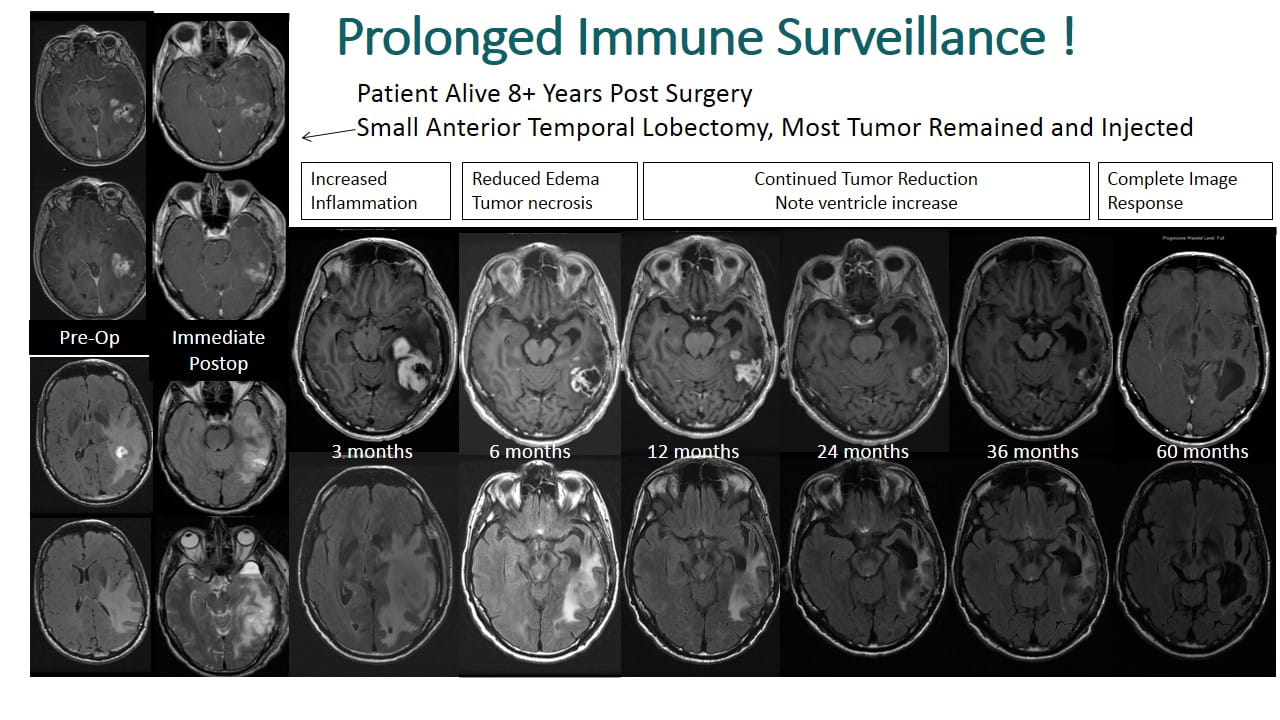
Matt Futer was given less than 3 months to live when he was initially diagnosed with glioblastoma. After successful treatment of the experimental gene therapy, Matt has been cancer free for over 7 years.
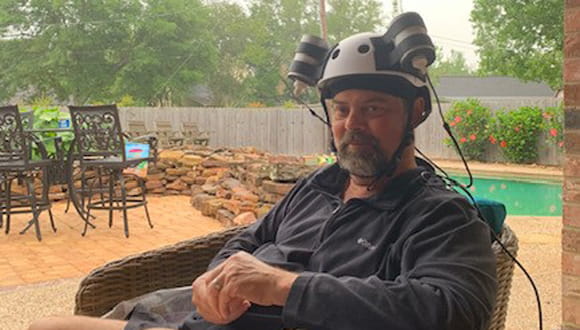
First Oncomagnetics Patient - Lance's Story
James "Lance" Mobley's two-year battle with glioblastoma was a selfless journey to discover a better treatment and ultimately a cure. He was the first human in the world to test oscillating magnetic fields to shrink his tumor and his sacrifice opens a new frontier in treatment.
Stephany's Story
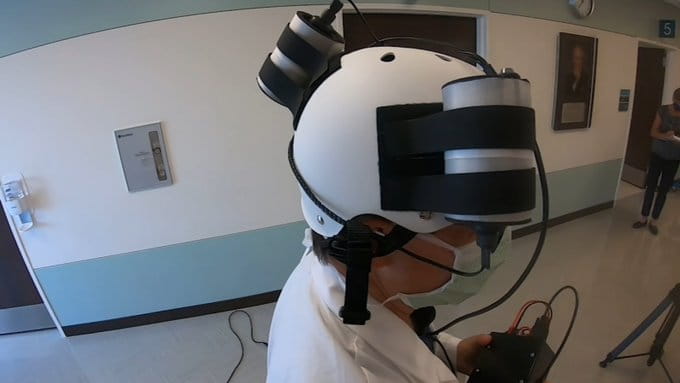
Oncomagnetics Provide Astonishing Results Treating DIPG
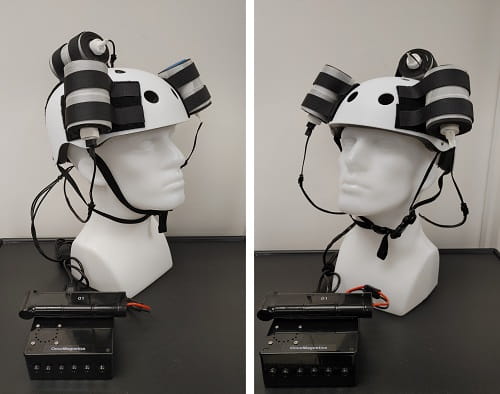
Not long ago, Stephany Gonzalez was diagnosed with diffuse intrinsic pontine glioma, or DIPG, which is an aggressive and malignant tumor found in the middle of the brainstem normally found in children. But this astonishing research with the oncomagentic helmet conducted by Dr. David Baskin, his team at the Peak Center, and research institute scientist Dr. Santosh Helekar is showing dramatic promise. Learn more about her first introduction to the groundbreaking research here and read about her incredible results here.
Unlike other experimental magnetic devices, the helmet works without direct contact, so there's no scalp irritation and patients don't have to shave their head. Under current Houston Methodist protocol, patients wear it for two hours at a time, twice or three times a day — a significant quality-of-life advantage over other devices intended to be worn at least 20 hours a day. Learn more.
Learn More About David Baskin, MD
The Center is unique in many ways. Basic science researchers in nanotechnology, gene therapy, biochemistry, neurochemistry, stem cell technology and genetics work side-by-side with world class clinicians, including neurosurgeons, neuro-oncologists, neurologists, radiation oncologists and rehabilitation specialists to provide personalized care for each and every patient. The Center will provide highly personalized care to patients with tumors in ways not previously available anywhere in the world.
The specialists at the Houston Methodist Peak Brain & Pituitary Tumor Center have access to advanced technology to detect, diagnose and treat pituitary adenomas (non-cancerous), pituitary carcinomas (cancerous), and other types of tumors that grow in and around the pituitary gland. Peak Center physicians work collaboratively and seamlessly with specialists from other areas of medicine so patients benefit from the full breadth of Houston Methodist Hospital excellence.
Most pituitary tumors can be treated. Virtually all tumors can be removed surgically or reduced in size with other means, and prognosis for patients is excellent.
Specialized Programs
The Center houses four programs aimed at providing tumor-specific clinical care and research while fostering interdisciplinary collaboration (multiple medical and surgical specialties).- Brain Metastasis Initiative
- Pituitary Disorders Program
- Glial Tumor Treatment Program
- Meningioma and Skull Base Tumor Program
To schedule an appointment, call 713.441.3802 or request an appointment online.
Additional Stories & Research