
Houston Methodist Division of Surgical Innovation
7
4
1
Our Team
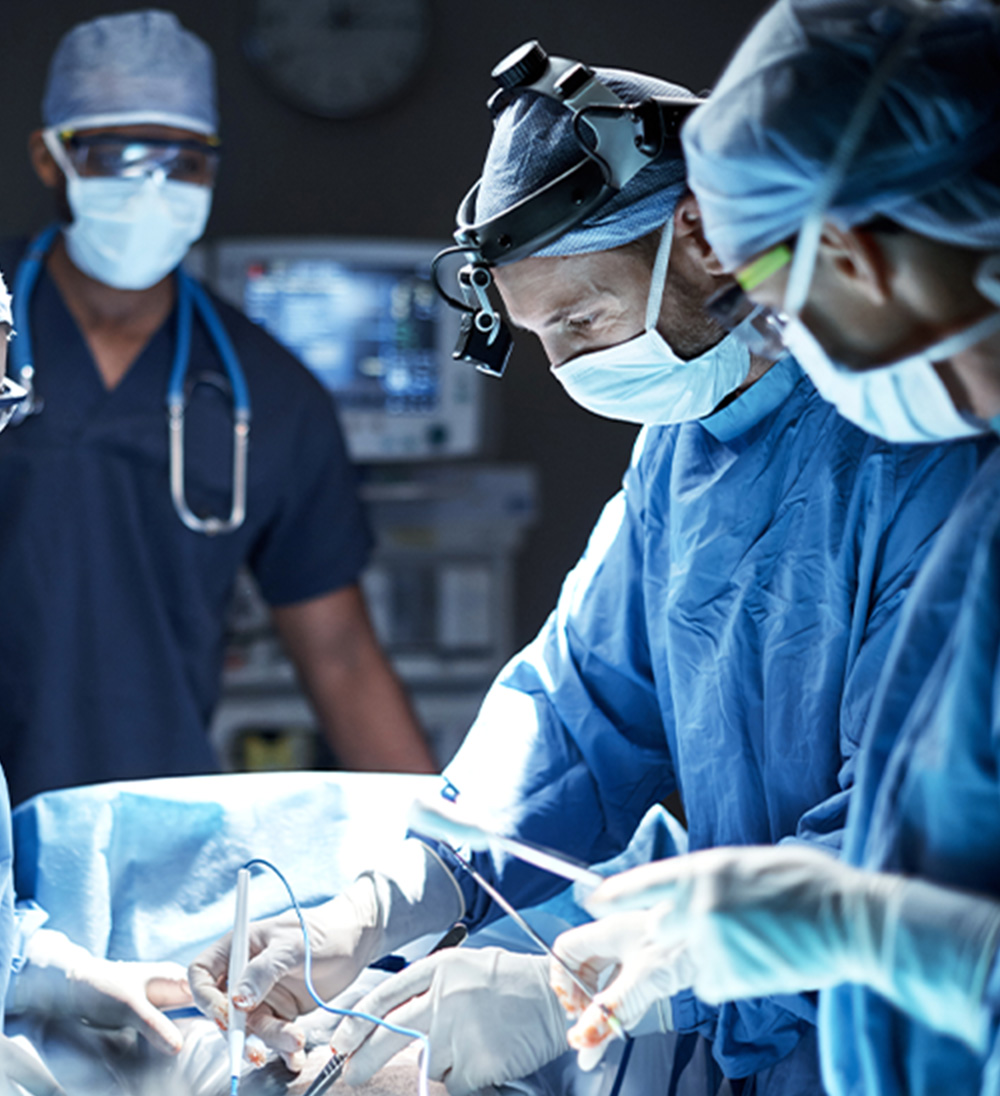
Our division, led by Aldona Spiegel, MD, and supported by administrative staff and an informal steering committee comprised of physicians, scientists and researchers from multiple fields and disciplines, works closely with a growing consortium of visionary surgeons, scientists, bioengineers and researchers across the Houston Methodist system as well as external partners. In so doing, we are cultivating a culture of innovation where physicians are empowered to create solutions shaping the future of surgery.
As our experts identify clinical challenges, our programs help accelerate the development of novel technologies, supporting implementations that improve outcomes and access for patients everywhere. These efforts are bolstered by structured educational programming, strategic partnerships, research-heavy infrastructure and a relentless commitment to user-centered design.
The participants on our teams contribute diverse experiences and backgrounds, each passionate about driving surgical advancement from concept to the reality of the patient bedside. We are energized by the identification of clinical problems and the multidisciplinary development of solutions — seeing ideas evolve into tangible tools and outcomes.
Our Research
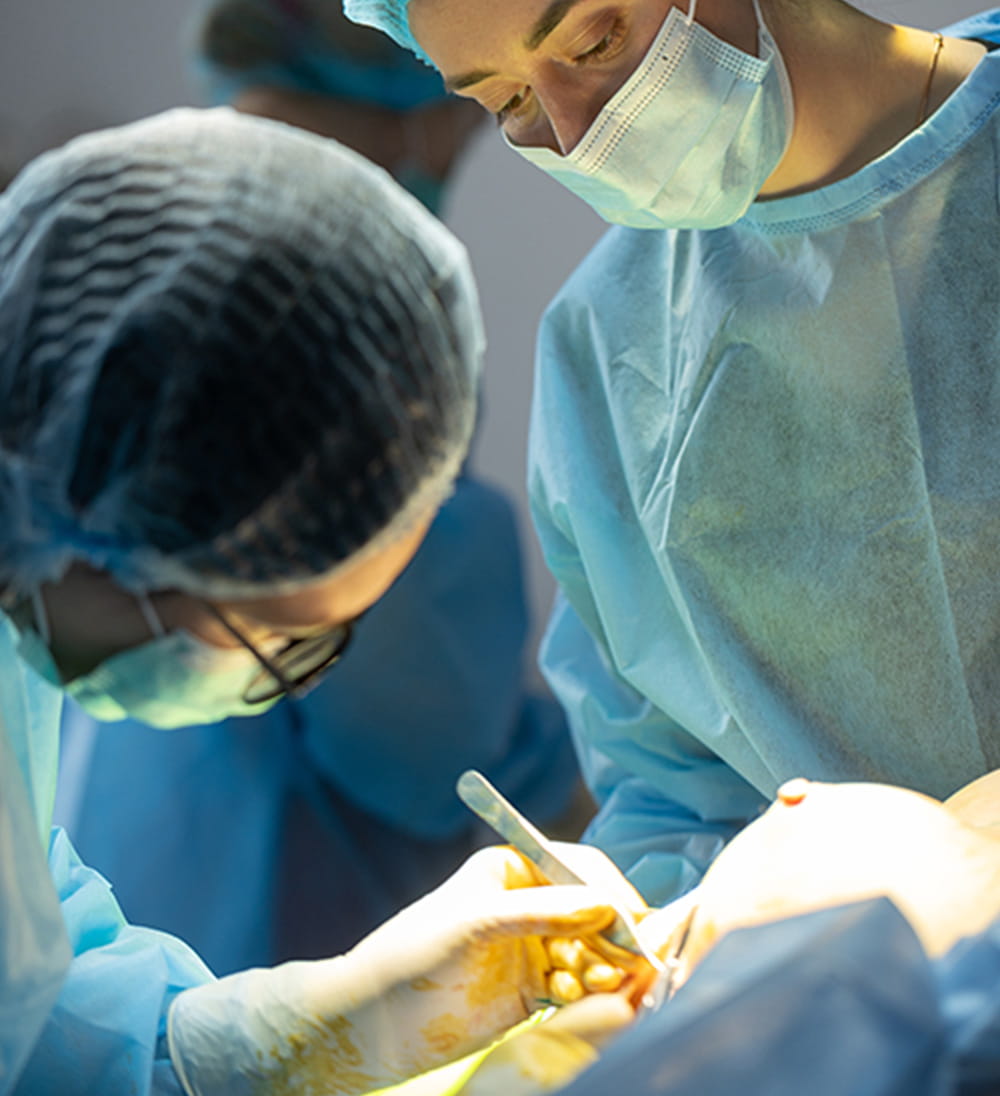
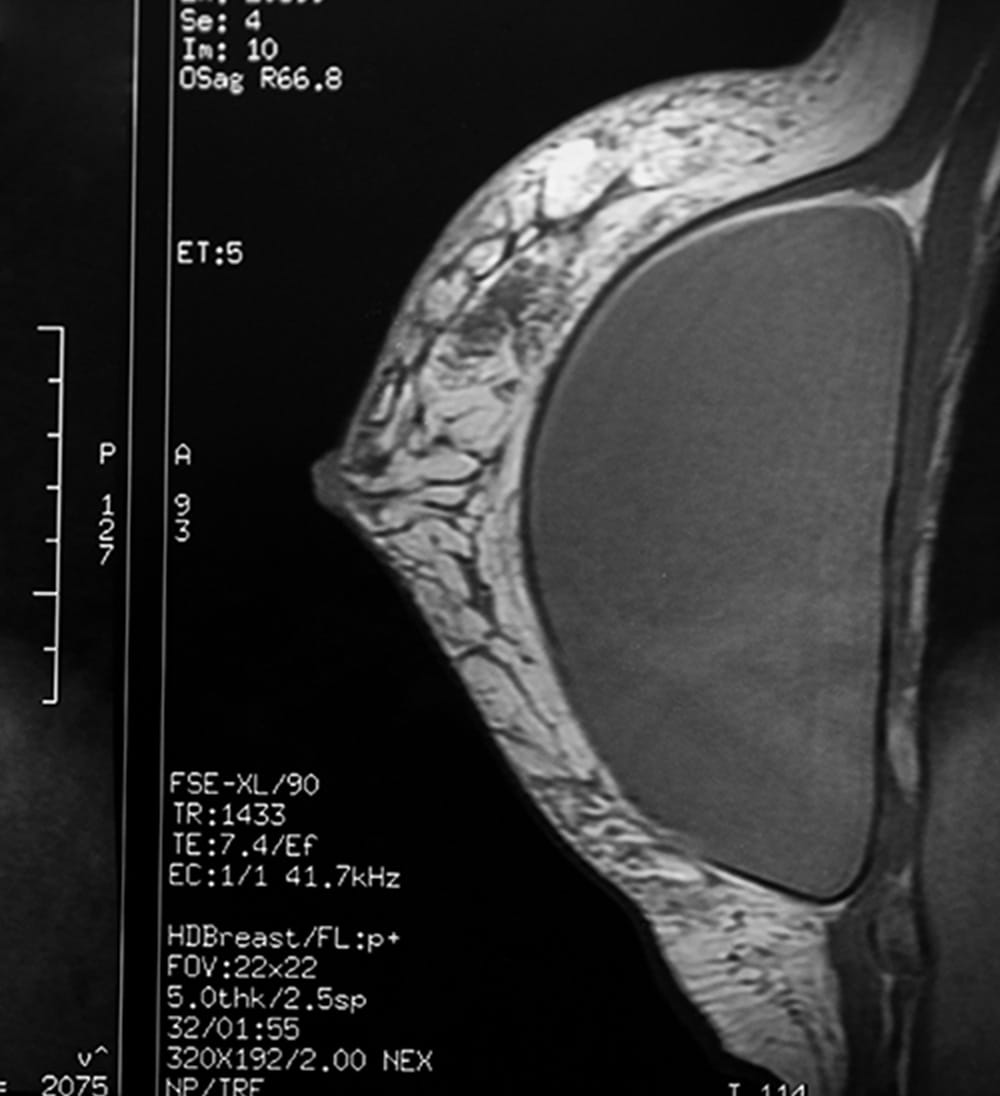
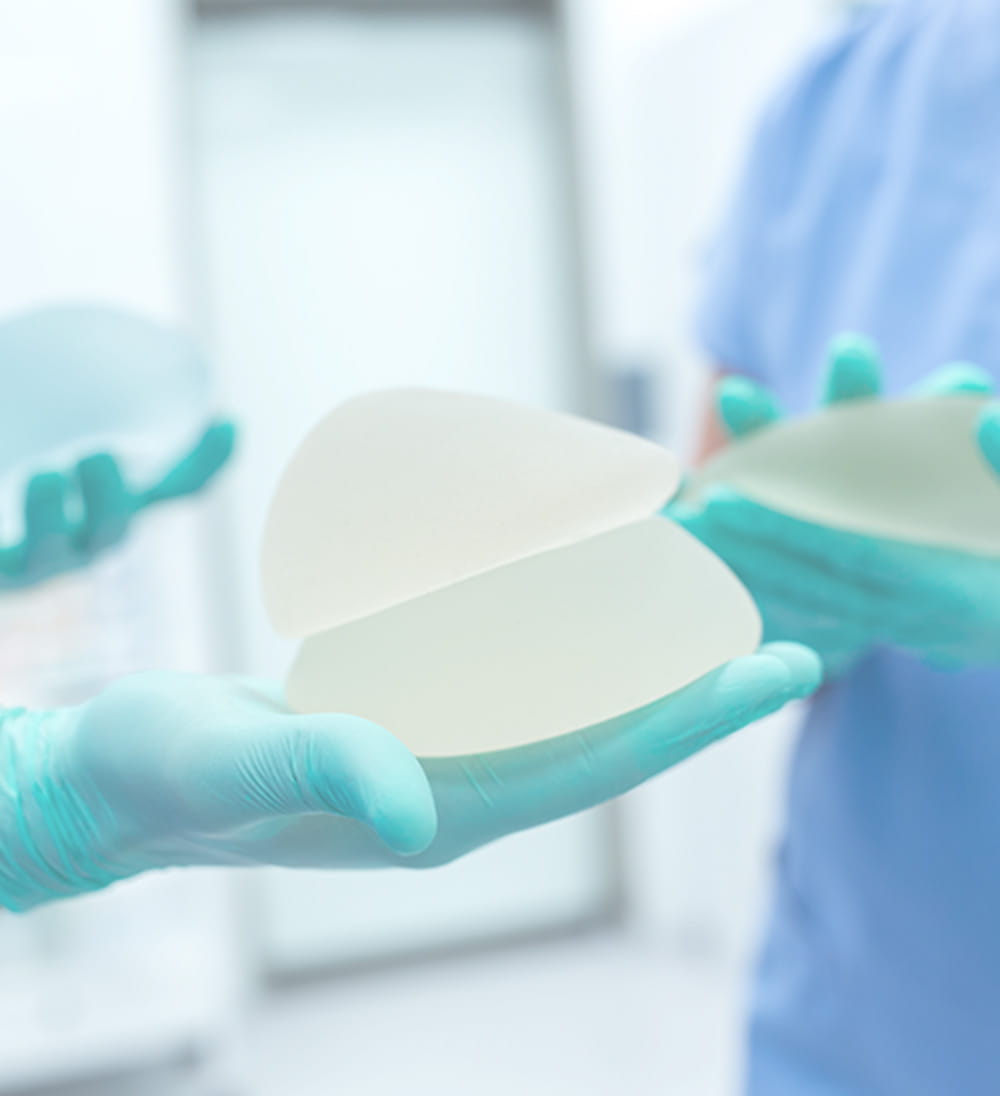
Today, our clinical and research scope extends to surgical robotics, reconstructive innovation and 3D biofabrication. Our research includes sensation restoration, fat-grafting systems, biologic scaffolds, flap physiology and postoperative optimization. We are principal investigators on multiple IRB protocols and collaborate with institutions globally on device development and clinical validation.
Biodesign Educational Program
More than merely providing surgical education, we are building the future of surgery through mentorship, collaboration and passion-driven learning not only for our residents and fellows but also our faculty. Our flagship educational program, Biodesign, is designed to cultivate innovation among physicians and residents, with plans to expand into a Physician Innovator Course launching in 2026.
Biodesign is modeled after Stanford University’s biodesign methodology and provides structured training in medical innovation, guiding participants through identifying clinical needs, developing solutions and preparing for commercialization. Biodesign follows a structured and robust process:
- Identifying clinical needs
- Fostering collaboration
- Streamlining the innovation process
- Developing advanced surgical tools and techniques
- Training and education
- Advancing patient care
Recently, we launched the first Biodesign Innovation Symposium at Houston Methodist, empowering multidisciplinary teams to prototype real solutions to clinical challenges. We hold numerous patents and FDA clearances, tied to our work. For more than 10 years, we have advanced breast reconstruction, proving our long-standing commitment to improved patient outcomes.


Training & Collaboration
An ethos of innovation infuses our residencies and fellowships across the Department of Surgery, evidenced by residents’ and fellows’ participation in our innovation programs, bringing real-world insights into health care challenges.
Training events, regularly offered in-house, include topics such as launching a startup, research integrity and data management, perfecting your pitch, concept to commercialization and more.
Faculty, residents and fellows benefit from a high level of autonomy and exploration, encouraged to break through preconceived notions of what is possible in medicine. Residents present ideas and watch them evolve into funded projects and fellows help launch pilot trials, while faculty pursue patents with institutional backing.
The Inventor Portal, available to Houston Methodist employees, serves as a dynamic receptacle to disclose inventions, while the Office of Transfer Technology provides tools and resources to manage intellectual property. Medical device companies regularly seek our surgical expertise, which we leverage to help those companies improve their products for patients.
Our collaborations include:
- EnMed – with Texas A&M University
- Digital Health Institute – with Rice University through The Bookout Center for Medical Innovation, Technology, Research and Education
- Stanford University Biodesign
- Texas Medical Center (TMC) Innovation

For Patients
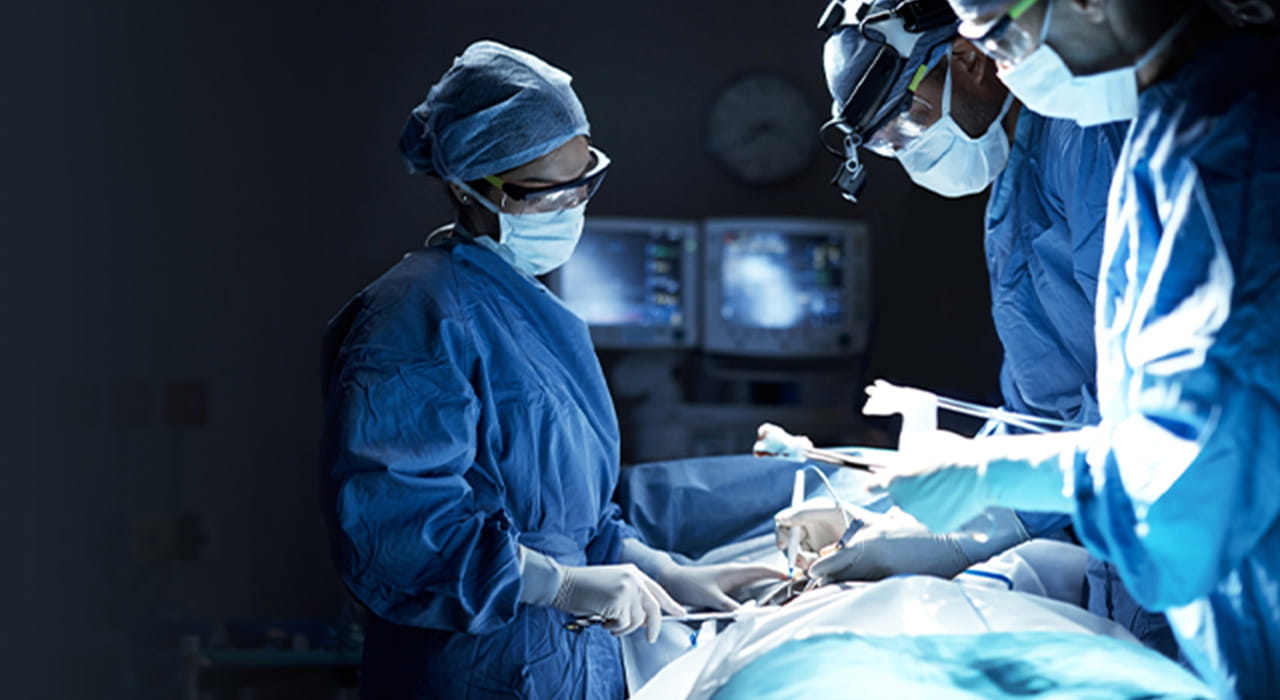
Our world-class surgeons use the most advanced procedures and state-of-the-art technology to provide you with expert care across the full spectrum of surgical specialties — no matter your condition.
Houston Methodist Hospital
Division of Surgical Innovation
6560 Fannin St., Suite 2200
Houston, TX 77030
713.441.6322