
Houston Methodist Division of Endocrinology, Diabetes and Metabolism
17
7
Our Team
Our multidisciplinary team of board-certified endocrinologists, advanced practice providers, diabetes educators and clinical staff deliver comprehensive, patient-centered care across the Greater Houston area. We specialize in the full spectrum of endocrine conditions, including diabetes mellitus (Type 1, Type 2, secondary and gestational), transplant endocrinology, thyroid disorders (including thyroid nodules and cancer), adrenal and pituitary diseases, osteoporosis and metabolic bone disease, obesity and metabolic syndrome, calcium and parathyroid disorders, lipid disorders and hypertension, and reproductive and gender-affirming endocrinology.
Highlights include:
Endocrinology Fellowship Program
This serves as a training platform for endocrinology fellows, internal medicine residents, medical students, nursing and pharmacy staff.Comprehensive Endocrine Care
The division integrates advanced diagnostic and therapeutic modalities, including continuous glucose monitoring (CGM), insulin pump therapy, thyroid ultrasonography with fine-needle aspiration (FNA) and multidisciplinary care pathways for the management of complex endocrine conditions.Transplant Endocrinology Team
Led by Archana Sadhu, MD, faculty members closely collaborate with the J.C. Walter Jr. Transplant Center and the Houston Methodist Research Institute to advance understanding in pathophysiology of this patient population.Hospital Glucose Control Program
Our team ensures tight glucose control in the inpatient setting, where the Hospital Glucose Control Program ensures tight glycemic management during the inpatient perioperative and post-transplant periods for hospitalized patients.System Diabetes Action Council
Led by Archana Sadhu, MD, this system-wide multidisciplinary comprehensive program is designed to optimize inpatient glucose management protocols to reduce variability in care, prevent and manage hyperglycemia and hypoglycemia in hospitalized patients, improve outcomes in patients with diabetes, stress-induced hyperglycemia and post-transplant glucose dysregulation, facilitate safe transitions of care from inpatient to outpatient diabetes management, and reduce complications from diabetes acutely and long-term to improve morbidity and mortality.Research Collaborations
Esteemed and senior faculty like Dale Hamilton, MD, are engaged in scientific research that aims to understand disease states better. By fostering collaborations with faculty and engineers from institutions like Texas A&M University and Rice University, Dr. Hamilton seeks to study the impact of CO2 on metabolism.
Our Faculty ➝ Our Physicians ➝

Ranked #10 in the Nation for Diabetes & Endocrinology Care by U.S. News & World Report
Houston Methodist Hospital is ranked Best in Texas and No. 10 in the nation by U.S. News & World Report for Diabetes & Endocrinology. U.S. News & World Report has also named Houston Methodist Hospital one of the nation’s best as a nationally ranked Honor Roll hospital.
Learn More ➝
Our Research
The division leverages HMRI's Center for Bioenergetics, led by Dale Hamilton, MD, which investigates molecular mechanisms of energy transfer in endocrine-related diseases. The Clinical & Translational Research Program facilitates trials, from IRB protocols to data collection.
Research output includes peer-reviewed publications and active clinical trials. Collaborations with institutions like Weill Cornell Medicine and MD Anderson Cancer Center expand research scope. Fellows and junior faculty engage in clinical trials and translational research, with mentorship.
Research is integrated into the Endocrinology, Diabetes and Metabolism Fellowship Program, which encourages scholarly activity and prepares trainees for academic careers, with presentations at national conferences and publications in high-impact journals.
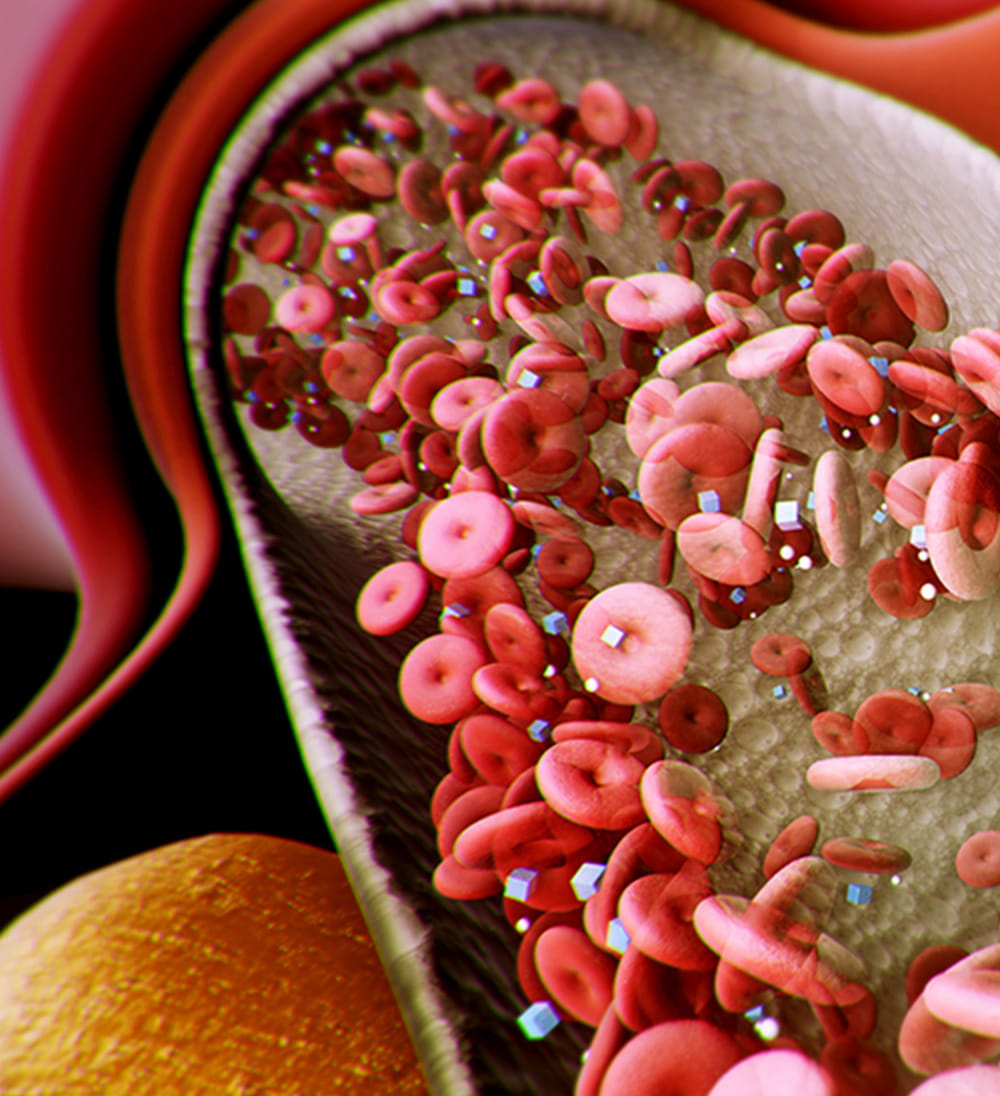
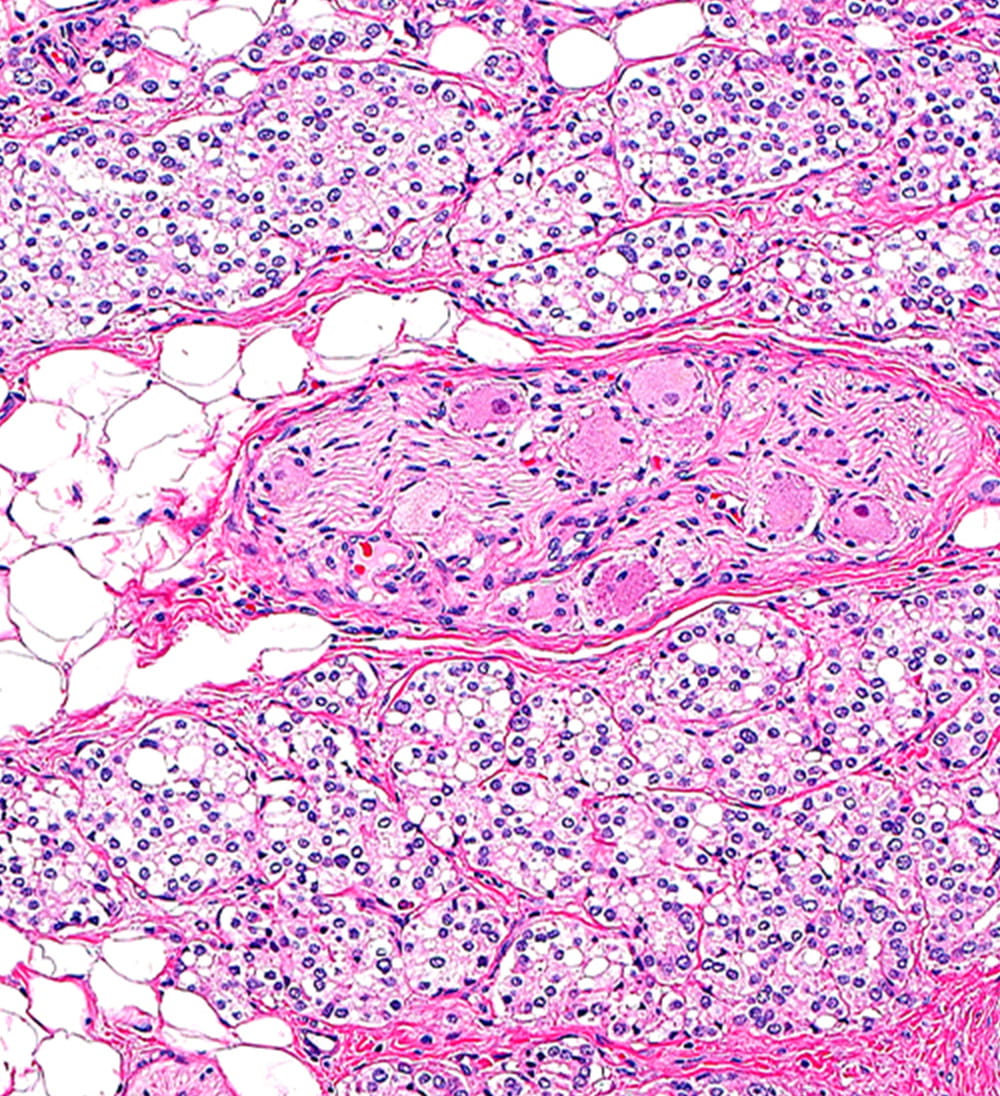
Physician scientists at Houston Methodist's Division of Endocrinology utilize state-of-the-art facilities like the cyclotron for groundbreaking basic and translational research. Since 2013, Dale Hamilton, MD, has led the bioenergetic research initiative, identifying mechanisms of altered energy transduction in disease states. The Center for Bioenergetics conducts multidisciplinary studies of metabolism in health and disease, from vascular disease and obesity-linked diabetes to heart failure and cancer.
Investigators at the Center unravel detailed molecular mechanisms using cutting-edge technologies to guide prevention, reversal and management strategies through genetic, laboratory, pre-clinical and clinical studies. Projects include prolonging organ and mitochondrial life in pulmonary hypertension, limiting tumor growth in prostate and breast cancer, and studying myocardial energetics in heart failure. Evolving projects include energy strategies in neoplasia and bioenergetic changes with estrogen deficiency, as well as transferring functional mitochondria into energy-altered tissue.
The team's methods involve pre-clinical models, tissue cultures and human tissue analysis, studying oxygen consumption, respiratory coupling and glycolytic energy transfer using genomics, metabolomics and proteomics. The team comprises basic science specialists in biochemistry and cell biology, and clinical investigators in cardiology, endocrinology and cardiothoracic procedures.
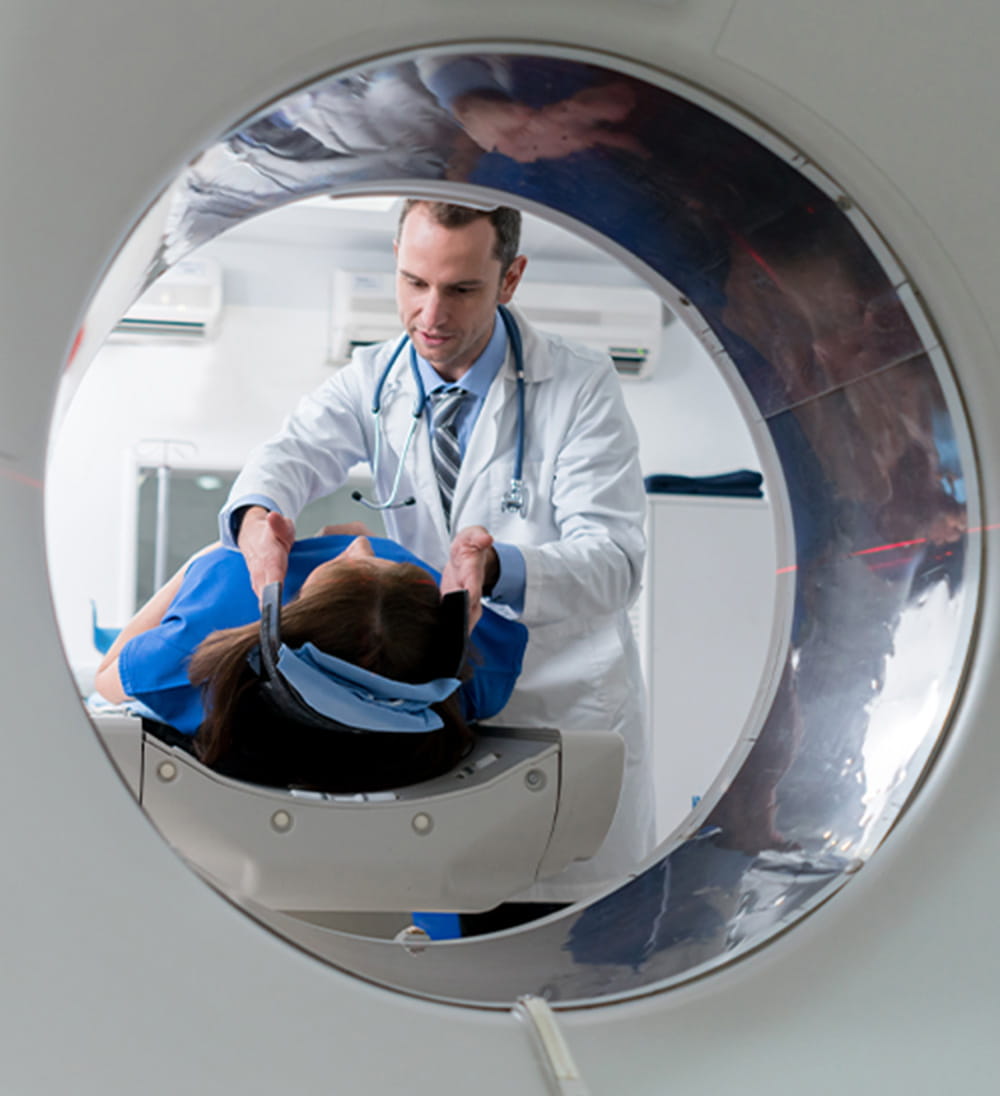
Collaborations with outside institutions, like MD Anderson Cancer Center for radiation effects on cardiac energy transfer, and Texas A&M University and the University of Houston, are fostered by the need for physicists and chemical engineers. Physicians publish and present findings globally.

Education & Training
The Division of Endocrinology at Houston Methodist is deeply committed to the academic mission of training the next generation of endocrinologists, physician-scientists and healthcare leaders. Through a robust and dynamic educational infrastructure, the division offers comprehensive training across the continuum of medical education—from undergraduate medical education to fellowship and continuing professional development.
The ACGME-accredited two-year Endocrinology, Diabetes and Metabolism Fellowship Program is the cornerstone of the division’s educational efforts. The program accepts three fellows annually, providing a rigorous curriculum that balances clinical excellence with scholarly activity. Year 1 involves intensive clinical training across inpatient and outpatient settings, including rotations at Houston Methodist Hospital, MD Anderson Cancer Center, Texas Children’s Hospital and Legacy Clinic. Year 2 focuses on advanced outpatient training, dedicated time for research and scholarly activity, and opportunities for leadership development.
Fellows gain exposure to a wide range of endocrine disorders, including complex diabetes management, transplant endocrinology, pituitary and adrenal pathology, and rare genetic syndromes. Training includes hands-on experience with insulin pump therapy, continuous glucose monitoring (CGM) and thyroid ultrasound with fine-needle aspirations (FNA).
The Diabetology Fellowship (Non-ACGME, 1-Year Program) is offered through the American College of Diabetology in partnership with Houston Methodist. This one-year diabetology fellowship provides focused training in advanced diabetes care, with program features including outpatient training in complex diabetes management, insulin pump therapy, CGM interpretation and lifestyle interventions. It also offers inpatient diabetes service with exposure to high-acuity cases in a 900+ bed hospital, scholarly activities including clinical trials, QI projects, and opportunities for scientific contribution and publication, and teaching and mentorship roles with Texas A&M School of Engineering Medicine.
Interdisciplinary Teaching and Mentorship offers fellows, residents and medical students from Texas A&M College of Medicine and other affiliated institutions rotate through the division, participating in didactic lectures, case-based learning, journal clubs, multidisciplinary conferences, and grand rounds featuring national and international experts. Mentored research projects, quality improvement initiatives and opportunities to present at national meetings such as AACE, ENDO and the American Diabetes Association Scientific Sessions are also provided.
The division fosters a team-based educational model, integrating faculty mentorship from nationally recognized clinician-educators and researchers, and interprofessional collaboration with certified diabetes educators, pharmacists, and dietitians. This includes participation in community outreach, such as diabetes education programs and local health initiatives.
The division’s educational programs are embedded within the broader framework of the Houston Methodist Academic Institute, which supports over 70 GME programs and more than 1,200 graduate students and postdoctoral fellows. This integration ensures access to state-of-the-art simulation centers, research infrastructure and academic resources.
Residency & Fellowship Programs

For Patients
We are a comprehensive, integrated team of health care experts who provide personalized care for individuals with diabetes, obesity, high blood pressure and lipid disorders, as well as endocrine and metabolic disorders.
Division of Endocrinology
Houston Methodist Hospital
6550 Fannin St., Smith Tower
Suite 1101
Houston, TX 77030
713.441.0006