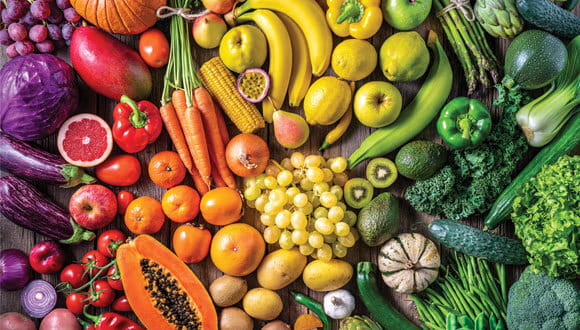
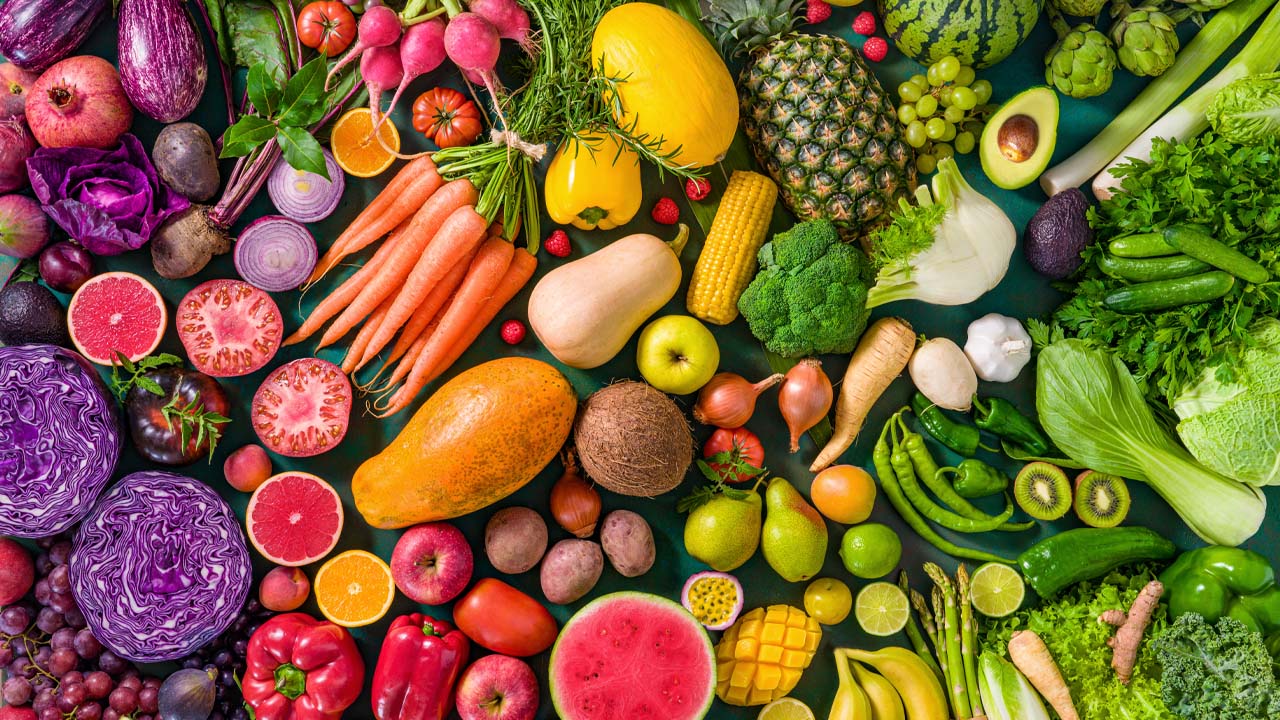

Different colors do different things — your body needs all of them.
Healthy eating tends to focus on eating more fruits and vegetables. But quantity is only part of the picture.
That’s where Kristen Wright, a registered dietitian at Houston Methodist, suggests a slightly different way to think about it: not just how much you’re eating, but how much variety you’re getting. One of the easiest ways to see that is through color.
“A lot of us hear ‘vegetables’ and automatically think green, forgetting about all of the other colors that are out there too.”
Kristen Wright, registered dietitian
The shades you see in fruits and vegetables aren’t just for looks — they reflect different compounds that support your body in different ways.
“Fruits and veggies contain lots of vitamins, lots of different antioxidants and large amounts of fiber,” she says, “But they all provide different benefits.”
You’ve probably heard that antioxidants are important. They show up on labels, in wellness advice and in conversations about “superfoods.” But beyond that, it’s not always clear what they actually do or why they truly matter. Are some better than others? And how much do you really need to eat to reap their health benefits?
Wright answers those questions and more below.
Why color matters more than you think
The colors you see in fruits and vegetables come from natural compounds inside the food. These compounds are part of a broader group called phytochemicals, many of which also act as antioxidants in the body.
Antioxidants help protect our cells from free radicals, unstable molecules that can damage our cells and DNA. When those molecules build up faster than your body can neutralize them, the damage can add up over time and has been linked to aging, heart disease, cancer and other chronic conditions.
Your body produces some antioxidants on its own, but many come from the foods you eat — especially fruits and vegetables. And the different colors in fruits and vegetables often point to different types of antioxidants, which support the body in different ways.
For example, red fruits and vegetables like watermelon, papaya and tomatoes contain lycopene, a powerful antioxidant that’s been linked to heart health and a reduced risk of certain cancers. But not all antioxidants are visible in color. Vitamin C, for example, is actually clear — not orange or yellow, despite many people associating it with citrus fruits like lemons and oranges. So, while color isn’t a perfect system, it can still be a helpful guide.
[Engagement Card]
“Different antioxidants support different parts of the body,” says Wright. “Lycopene, which is found in foods like tomatoes and watermelon, has been shown to have blood pressure-lowering effects and can even lower the risk for some forms of cancer. Compounds found in many green vegetables, like sulforaphane and indoles, are cancer-blocking and help inhibit the effects of some carcinogens.”
That’s why Wright emphasizes being intentional about variety. One of the simplest ways to do that is by “eating the rainbow,” using color as a guide to help you get a wider mix of these beneficial compounds.
Eat the rainbow: What each color does for your body
Each color in fruits and vegetables points to a different set of phytochemicals — many of which act as antioxidants in the body. Here’s how those colors translate to real benefits.
Red
-
Key compound: Lycopene
-
What it does: Supports heart health by helping lower blood pressure and improve markers linked to cardiovascular disease. Lycopene has also been studied for its potential role in reducing the risk of certain cancers.
-
Where to find it: Tomatoes, watermelon, papaya and pink grapefruit are some of the richest sources. Other red fruits and vegetables also contain beneficial compounds, though not all of them are high in lycopene.
Orange and yellow
-
Key compounds: Beta-carotene, beta-cryptoxanthin
-
What they do: Support immune function and help maintain healthy vision. Beta-carotene is converted into vitamin A, which plays a key role in eye health and helps the body fight infection.
-
Where to find them: Carrots, sweet potatoes, pumpkin and winter squash are among the richest sources. Citrus fruits like oranges and tangerines, along with foods like papaya and yellow peppers, also provide these compounds, though in varying amounts.
Green
-
Key compounds: Sulforaphane, isothiocyanates and indoles
-
What they do: Support the body’s natural detoxification processes and help regulate normal cell function. Compounds like sulforaphane, isothiocyanates and indoles — found in many cruciferous vegetables — also help the body process and eliminate certain toxins and are linked to a reduced risk of some cancers.
-
Where to find them: Broccoli, Brussels sprouts, kale, cabbage and other cruciferous vegetables are among the richest sources. Other green vegetables like radish greens (yes, they're edible and delicious), spinach, green beans and avocados also provide a range of beneficial plant compounds, though not all contain these specific compounds.
Blue and purple
-
Key compounds: Anthocyanins
-
What they do: Support brain health and promote healthy aging. These compounds are known for their role in reducing inflammation and may also help protect against cognitive decline.
-
Where to find them: Blueberries, blackberries, grapes, purple sweet potatoes and plums are among the richest sources. Other purple and dark-colored fruits and vegetables also contain anthocyanins, though amounts can vary widely depending on the food.
White and brown
-
Key compounds: Allicin, flavonoids
-
What they do: Support immune function and help maintain heart health. Compounds like allicin, found in garlic and onions, have been linked to improved cholesterol levels and may help support the body’s response to infection.
-
Where to find them: Garlic, onions and leeks are some of the most concentrated sources. Mushrooms, cauliflower and other pale-colored vegetables also contain beneficial compounds, though their profiles vary.
You don’t need to get every color in every meal. But the more variety you include over time, the more of these compounds — and their benefits — start to add up. And in many cases, it’s as simple as looking at what’s on your plate. If it’s colorful, you’re likely on the right track.
Are you eating enough fruits and vegetables to see the benefits?
Eating a variety of fruits and vegetables is important, but most people aren’t getting enough of them to begin with. According to the Dietary Guidelines for Americans 2020-2025 edition, adults should aim for about 1.5 to 2 cups of fruit and 2 to 3 cups of vegetables each day. But in reality, only about 1 in 10 adults in the U.S. meet those recommendations.
“That’s one of the biggest gaps we see,” says Wright. “Most people aren’t getting enough fruits and vegetables overall, so they’re missing out on a wide range of these beneficial compounds.”
While you can get some of these antioxidants in supplement form, Wright emphasizes that it’s always preferable to get them from whole foods — the natural source of these compounds. For example, getting lycopene from foods like tomatoes offers more benefit than taking it as a supplement alone.
“Getting these nutrients from whole foods is always going to be better absorbed than relying on supplements alone,” she says.
Fruits and vegetables don’t just add color to your plate — they provide fiber, vitamins and phytochemicals that are linked to lower risk of heart disease, certain cancers and other chronic conditions.
That’s why Wright emphasizes consistency over perfection. You don’t need to overhaul your diet overnight. Instead, focus on gradually building meals that include more fruits and vegetables — and more variety — over time.
One simple way to think about it: try to fill about half your plate with fruits and vegetables. From there, adding different colors throughout the day can help you build a more complete mix of nutrients.
[Related Content]
How to eat more antioxidant-rich foods (without overthinking it)
“It really comes down to building it into your routine,” says Wright. “If you try to make big, sweeping changes all at once, it’s hard to stick with. But small changes add up over time.”
That might mean adding fruit to something you already eat in the morning, like yogurt or oatmeal or including an extra vegetable at dinner, even if it’s something simple like a side salad or roasted vegetables.
Here are a few easy ways to start:
-
Make a smoothie or build a smoothie bowl
-
Add a handful of spinach or kale to smoothies
-
Add fresh fruits to salads
-
Add dried fruit to nuts to make a quick trail mix
-
Make homemade sorbet using blended whole fruits
-
Use fresh fruit to add flavor to plain water
-
Add vegetables to omelets, burritos, sandwiches or egg cups
-
Swap in vegetables to recreate some of your favorite foods
-
Incorporate one plant-based meal each week
Wright also recommends thinking beyond meals.
“Snacks are a great opportunity,” she says. “That’s an easy place to add another serving without feeling like you’re changing your whole plate.”
Over time, those small shifts can make a bigger difference than trying to overhaul everything at once.
“It doesn’t have to be perfect,” says Wright. “If you’re adding more fruits and vegetables over time, you’re moving in the right direction.”