
Your biological age doesn't always match your birthday. Habits like sleep, movement and protein intake can influence how well you age.
We all carry two ages: the one printed on our driver’s license, and the quieter, more revealing one — our biological age. That second age isn’t determined by time, but by how well our organs function, how efficiently our cells repair and how resilient our bodies remain through decades of stress, illness and everyday strain. And the two ages don’t always match. In fact, they often drift apart long before we notice anything changing on the outside.
That gap, according to Dr. Li Cai, a primary care physician at Houston Methodist, is where healthy aging really begins.
“You can’t stop your organs from aging,” she says, “but through lifestyle choices and preventive care, you can influence the way they age — and that’s what matters most.”
Understanding the difference between our two ages starts with a look at what aging actually is — and what’s happening inside the body as the years pass.
“It’s never too late to start healthy life habits. Even people in their 60s or 80s can benefit from making changes.”
Dr. Li Cai
Primary care physician at Houston Methodist
What aging actually is, biologically and over time
Aging begins long before the outward signs — years before anyone feels weaker, slower or less resilient. Biologically, aging refers to the gradual decline in how well the body can repair damage, maintain balance and respond to stress.
“As we age, our organs lose their ability to function the same way they did when we were younger. Your body is slower to recover from illness, stress and injury,” says Dr. Cai.
Cells begin to divide more slowly. Tissues are rebuilt less efficiently. The immune system responds with declining precision. These changes accumulate at different rates across organ systems, which is why aging feels so individual. No two trajectories look the same.
“Two people can be the same chronological age, but biologically one may be much older and the other much younger, depending on how fast their body is actually aging,” says Dr. Cai. “Biological aging is really the decline of your physiological function — your cells, tissues and organs become more vulnerable to disease and death as time goes on.”
What often surprises people is that these internal shifts don’t unfold evenly.
“According to research, there are three different accelerations when it comes to the aging process,” she says. “There’s a small dip in the 30s, and between 44 and 46 there’s a noticeable bump — but the biggest one is around 60.”
Patients often describe these shifts as sudden: sleep feels different, strength changes more quickly, inflammation lingers longer. But biologically, these changes reflect deeper patterns years in the making — slowing metabolic activity, declining immune coordination, hormonal transitions and the compounding effects of everyday inflammation.
Together, these shifts represent the narrowing of the body’s physiological reserve — the extra functional capacity your organs and systems have beyond what they need for basic day‑to‑day function. When you’re younger, this reserve is wide, meaning your body can handle stressors — illness, poor sleep, injury, emotional stress, inflammation — without much noticeable impact.
As we age, that surplus capacity naturally narrows, leaving less margin for recovery. A cold lasts longer than expected. A muscle strain interrupts routines more than it used to. Small stressors feel heavier. Inflammation begins to rise.
Inflammaging: why inflammation rises as we age
Inflammation is one of the body’s most reliable tools. It’s how we fight infection, heal from injuries and respond to stress. The problem isn’t inflammation itself — it’s when the baseline begins to rise with age, turning a short‑term defense into something that lingers and shapes how the body feels day to day.
Researchers call this slow burn “inflammaging,” and Dr. Cai sees its effects across many of the concerns her patients bring in.
“As you age, your body starts to have this low-grade inflammation,” she explains. “It comes from a combination of different factors — injury, infection, slower cell repair, changes in the gut and the accumulation of damage over time.”
The immune system changes with age, too. Instead of mounting the quick, targeted responses it once did, it becomes more reactive in the background. Signals that should stay quiet turn on more easily, and the system stays on alert even when there’s no clear threat. For many people, this shows up as a kind of internal heaviness — not an infection, just a body that feels like it’s working harder than it used to.
“Your immune system weakens as you age, so the inflammation becomes more pronounced,” says Dr. Cai. “That increases your risk for cardiovascular disease, diabetes, cancer, memory issues and falls.”
Dr. Cai also sees inflammation rise alongside changes in the gut microbiome. A diverse, well balanced microbiome helps regulate how the immune system behaves. Over time, that balance shifts, making inflammatory responses more likely and more persistent.
Antioxidant defenses also weaken with age, leaving cells more vulnerable to oxidative stress — damage caused by free radicals that the body can’t neutralize as easily as it once did. This adds another layer to the inflammation puzzle: Damage accumulates faster than the body can repair it, feeding a cycle that becomes self sustaining.
While inflammation is inevitable to some degree, Dr. Cai focuses on the parts people can influence. Some patients ask about supplements, and she’s careful about what she recommends.
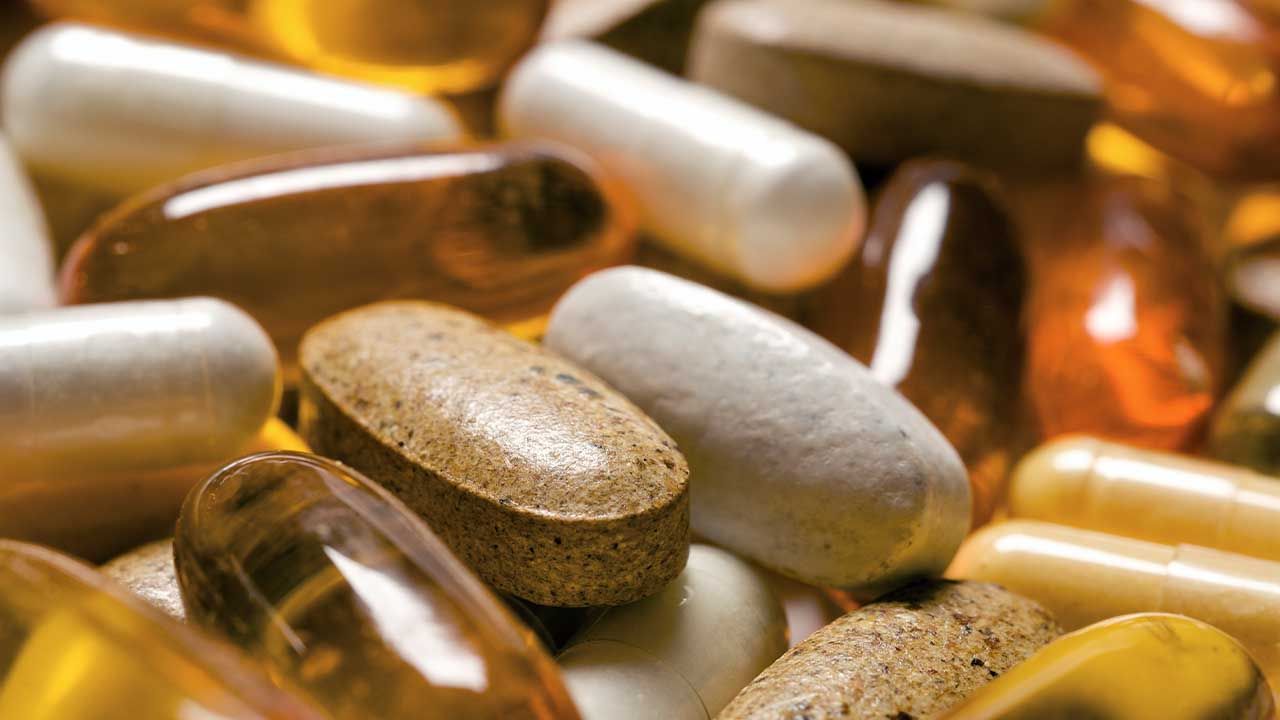
"Turmeric is a natural anti-inflammatory I sometimes suggest because it’s safe,” she says. “It’s not like NSAIDs, which can cause stomach or kidney issues. Another supplement I start to recommend is NAC, N-acetyl L-Cysteine, which has a potent anti-oxidative effect, and very safe as well.”
But the emphasis of her counseling always returns to habits — physical activity, diet, sleep, stress and maintaining a healthy weight — because those choices shape inflammation more reliably than any pill.
For Dr. Cai, explaining inflammaging isn’t meant to alarm patients. It’s to help them understand how their symptoms fit into the broader changes in the body as inflammation becomes more prominent with age.
[Related Content]
6 habits that support healthy aging
Staying healthy with age isn’t about avoiding change — it’s about choosing habits that help the body keep doing what it’s designed to do. Dr. Cai focuses on routines that support the systems most affected by aging: muscle strength, metabolism, sleep, mood, inflammation and long-term resilience.
1. Move in ways that maintain strength and stability
Muscle loss is a natural part of aging, which is why Dr. Cai encourages patients to keep movement at the center of their routines.
She recommends moderate, low‑impact activities most days of the week — walking, swimming or cycling — because they’re easier on the joints while still supporting strength and endurance. She also stresses the value of incorporating some form of strengthening work.
“As we get older, we start to lose muscle mass,” she says, adding that regular exercise “four to five times a week can make a meaningful difference.”
She also cautions against years of high‑impact exercise, noting how often it leads to joint wear and hip problems later in life.
(Related: 27 Effective Bodyweight Exercises to Add to Your Workout Routine)
2. Eat to support muscle, metabolism and your gut
Nutrition becomes more important with age, especially when it comes to protein. Many people assume they need less of it, but Dr. Cai is direct about the opposite.
“Protein is really essential for your muscle maintenance,” she says. She recommends spreading protein intake across meals, so the body has what it needs to maintain and rebuild muscle.
She also highlights the connection between diet and inflammation, pointing out that changes in the gut microbiome can influence how severe inflammation becomes. That’s why she steers patients toward whole foods, fiber and meals that support gut health.
(Related: How Much Protein is Too Much? A Dietitian Weighs In)
3. Prioritize sleep that helps the body repair
Sleep shifts with age, and its impact becomes more noticeable. Dr. Cai reminds patients that poor sleep isn’t just tiring — it can carry real health risks.
“Not getting enough sleep actually increases your risk for cardiovascular disease, obesity, brain disorders and early death,” she says. “And if you have sleep apnea, that needs to be treated. It can increase your risk of cardiovascular disease risk and mortality. Most people do not realize that the brain undergoes a detoxification process to remove harmful waste during sleep. Chronic poor sleep significantly increases the risks of developing dementia.”
According to the CDC, insufficient sleep is linked to higher risks of cardiovascular disease, Type 2 diabetes and obesity.
4. Manage stress to protect long-term health
Stress shows up physically in the aging body, especially when inflammation is already on the rise.
“Inflammation goes up as you age because your body changes,” Dr. Cai explains, “and stress adds to that burden.”
She encourages patients to find small, consistent rituals that help regulate stress — anything that brings down the baseline. That might be movement, quiet routines, time outdoors or creative hobbies. What matters is having something reliable.
(Related: Nature Rx: What Are the Health Benefits of Nature?)
5. Stay socially connected and mentally engaged
Dr. Cai regularly sees how isolation affects health. “Social isolation increases your risk of heart disease, depression, cognitive decline and mortality,” she says.
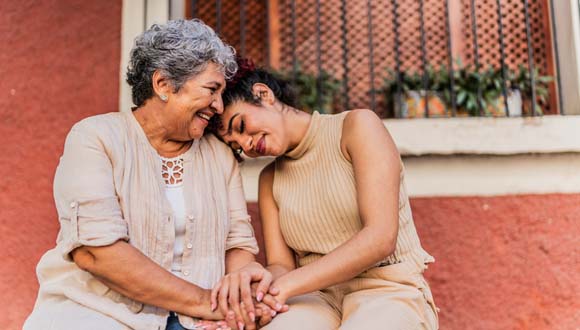
Staying connected — whether through volunteering, classes, friendships or community groups — helps people maintain a sense of purpose and routine. She also encourages patients to keep their minds active by learning new skills, reading or finding hobbies that challenge the brain.
6. Keep up with preventive care
Preventive care becomes more important as the body’s reserve narrows. Dr. Cai sees the consequences when people arrive in their 70s or 80s without earlier interventions.
“I have 70‑ or 80‑year‑old new patients who have never taken calcium or vitamin D,” she says. “By then, they already have so much bone loss. It’s much harder to catch up than if you prevent it earlier.”
(Related: What Are the Signs of Osteoporosis & How Is It Diagnosed?)
Routine screenings, blood work and conversations about new symptoms help her identify problems early, before they require more aggressive interventions. Dr. Cai often reminds patients that these habits aren’t about turning back time. They’re about giving the body what it needs to function well — whether someone is starting in midlife or much later.
[Engagement Card]
What aging gracefully really means
For Dr. Cai, aging gracefully has nothing to do with looking a certain way. It’s about staying connected to the parts of life that feel steady and meaningful — moving comfortably, thinking clearly, recovering well and maintaining the routines that make each day feel manageable. When she talks with patients about aging, she focuses on what supports function and independence, not perfection.
She thinks about aging in practical terms: how easily someone gets around, how well they sleep, whether they feel strong enough to do the things they care about. These details shape quality of life more than any single measure or milestone. And they’re the areas where day‑to‑day habits make the biggest difference.
Aging gracefully, in her view, is less about avoiding changes and more about adapting to them with intention. It’s understanding how the body shifts over time and choosing habits that help it keep up. It’s also recognizing that health isn’t only physical — social connection, purpose and emotional steadiness matter just as much.
“You don’t want to just live long,” Dr. Cai says. “You want to live long and live well.”