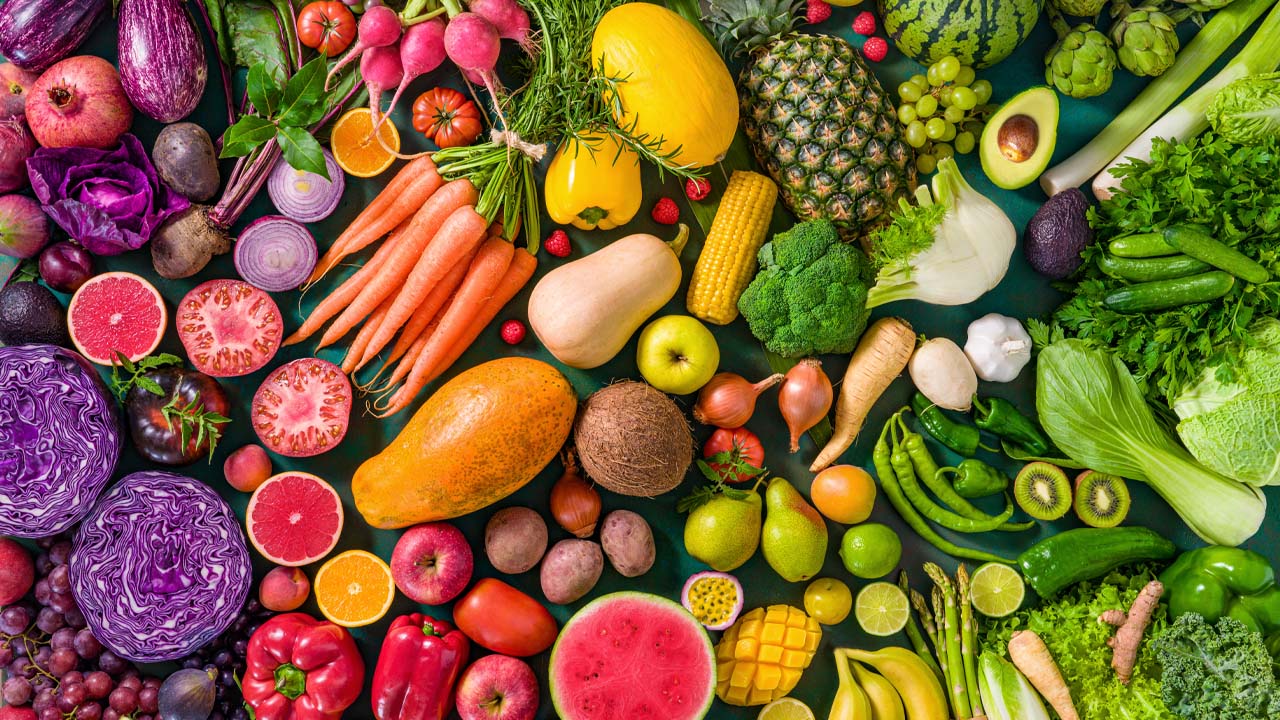
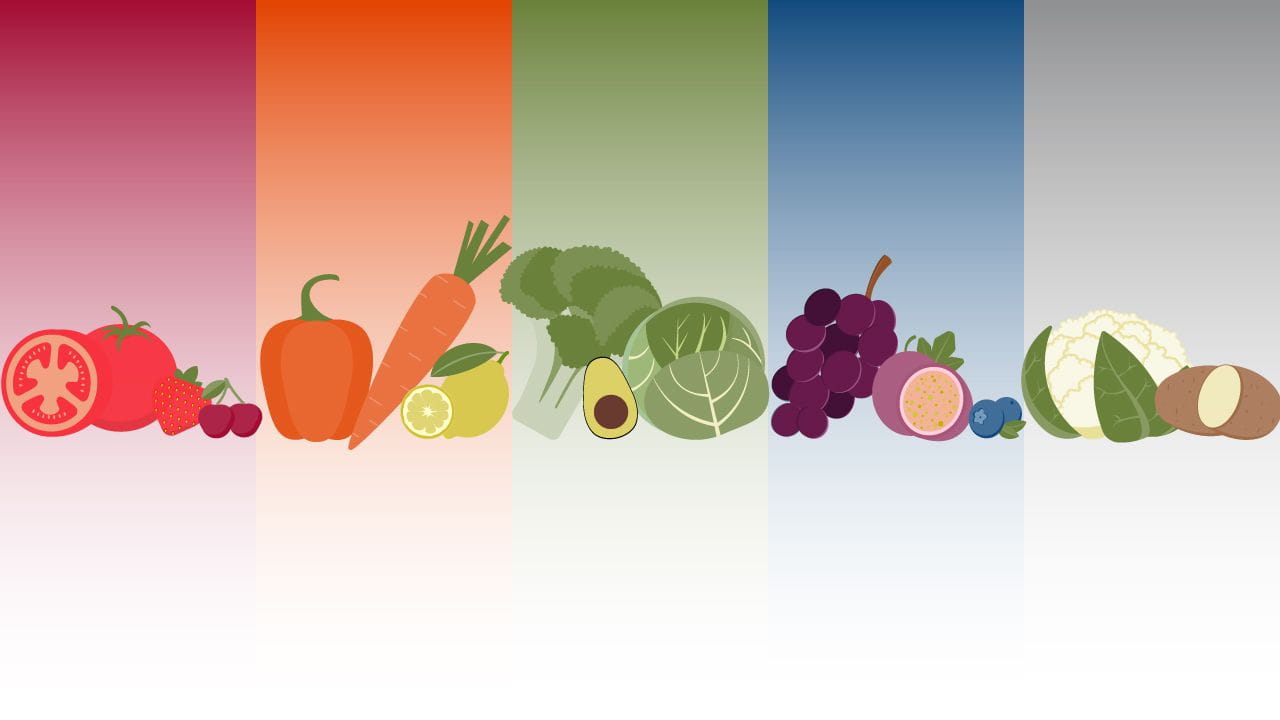

Red, orange, green, blue and even white produce each bring something unique to the table.
You've probably heard that eating colorful fruits and vegetables is good for you. But the colors on your plate do more than make meals look appealing. Many fruits and vegetables get their vibrant shades from plant compounds called phytochemicals, many of which act as antioxidants in the body.
Different colors are associated with different compounds and potential health benefits. For instance, many red foods contain lycopene, orange and yellow produce is rich in compounds that support vision and immune health, and blue and purple fruits provide anthocyanins linked to brain health and healthy aging.
Click the plus sign beside each color to learn more about the antioxidant compounds found in colorful fruits and vegetables, the health benefits they're associated with and foods that are rich sources of them.
[Related Content]