

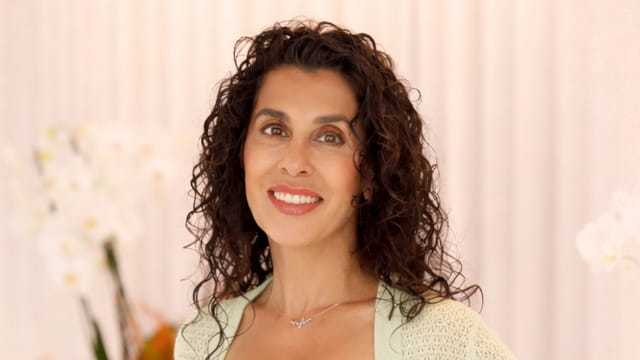
Houston Methodist Recruits National Leader to Launch New Davis Women’s Cardiovascular Health Center
Jan. 15, 2026 - Eden McCleskeyHouston Methodist Hospital has recruited internationally recognized cardiologist Dr. Martha Gulati to lead the new Davis Women’s Heart Center, marking a major investment in the prevention, diagnosis and treatment of heart disease in women and a renewed commitment to closing critical gaps in gender-sensitive care.
Dr. Gulati, one of the most prominent voices in women’s heart health today, comes to Houston Methodist from Cedars Sinai in Los Angeles, where she served as director of prevention at the Smidt Heart Institute and the associate director of the Barbra Streisand Women’s Heart Center. She is also the immediate past president of the American Society for Preventive Cardiology, author of the best-selling book Saving Women’s Hearts and co-chair of the landmark AHA/ACC Chest Pain Guidelines, published in 2021.
Under Dr. Gulati’s leadership, Houston Methodist will launch a new center that integrates sex-specific cardiovascular care across prevention, valvular heart disease, ischemic heart disease, heart failure, pregnancy-related heart disease, arrhythmias and research. Anchored within the Houston Methodist DeBakey Heart & Vascular Center and supported by endowed funding that enables clinical growth, research expansion and community education, the center will focus on understanding and addressing the unique factors that put women’s hearts at risk.
“Women aren’t just small men,” said Dr. Gulati. “We are biologically different from men, and the complexities of heart disease show up in different ways. Although heart disease is the number one killer for both sexes, women remain less likely than men to be screened, correctly diagnosed or aggressively treated.”
Dr. Gulati has spent her career challenging that imbalance through clinical care, research, advocacy and national guideline leadership. At Houston Methodist, she will focus on building a comprehensive women’s heart center that not only delivers specialized care, but also advances discovery, education and outreach locally and globally.
Leading Medicine recently sat down with Dr. Gulati to discuss her path to Houston Methodist, why women’s cardiovascular care requires a dedicated approach and how the new center aims to change outcomes for women across their entire lifespan.
Q: You’ve spent much of your career focused on women’s cardiovascular health. What set you on this path?
Dr. Gulati: Very early in my training, I realized how little we actually knew about heart disease in women because women simply weren’t studied. Heart disease is deeply personal to me and my family, and once I understood that women were largely being left out of the research, I knew that was where I wanted to make an impact. From my first job out of fellowship, I asked my leadership if I could focus on women — and I’ve never looked back.
Q: You’ve helped build women’s heart programs at several major institutions. What drew you to Houston Methodist?
Dr. Gulati: Houston is one of the largest medical centers in the country, yet there hasn’t been a comprehensive women’s heart center of this scale. That opportunity mattered to me. Equally important was the commitment from Houston Methodist leadership — not just philosophically, but with real resources and long-term investment. There’s also an extraordinary group of cardiologists here already doing important work for women. My role is to bring that work together into a focused, unified program.
Q: How will a women’s cardiovascular center differ from traditional cardiology care?
Dr. Gulati: Biologically, hormonally and socially, women experience heart disease differently from men. We metabolize medications differently, present with different symptoms and often develop different forms of heart disease. A women’s heart center is designed to identify and recognize those differences — whether it’s by altering our screening and prevention protocols or how we interpret symptoms, imaging and outcomes.
Q: Who should consider getting their care through a women’s heart center?
Dr. Gulati: All women need to know we are here for them — women with known heart disease, women with risk factors and women who simply want to understand their risk. Many women are proactive about mammograms and gynecologic care but have never had their heart risk assessed. We want to change that. We also want to support women after pregnancy-related complications, such as preeclampsia or gestational diabetes, which dramatically increase future cardiovascular risk. We want women to feel heard and get answers to their symptoms. We want women to get the right diagnosis and the best care.
Q: Research has been a major part of your career. How does that fit into the new center?
Dr. Gulati: Research is essential. For decades, women were underrepresented in cardiovascular trials, and we’re still catching up. At Houston Methodist, we’ll expand clinical research focused on female-predominant conditions like ischemia with no obstructive coronary arteries, spontaneous coronary artery dissection, valve disease and heart failure with preserved ejection fraction. Discovery is how we improve care — not just for women here, but worldwide.
Q: Education and outreach also seem central to your vision. What's their importance in women's cardiovascular health?
Dr. Gulati: Women’s symptoms are too often dismissed — by the health care system and sometimes even by women themselves. Education empowers patients, clinicians and communities. The center will provide education for physicians, nurses and trainees, as well as outreach to the general public to improve heart-health literacy. Women deserve evidence-based information, not misinformation or fear-driven messaging.
Q: What does success look like five years from now?
Dr. Gulati: Success is women being diagnosed earlier, treated appropriately and living longer, healthier lives. It’s also Houston Methodist being recognized as a national and international leader in women’s cardiovascular health, serving as a model others can look to when they want to build centers of their own. Ultimately, this is about making women’s voices heard and ensuring their hearts receive the same level of attention and care as anyone else’s.