

GLP-1 medications, endoscopic therapies and bariatric surgery can be combined or sequenced to support more durable obesity management.
Key Highlights
-
Obesity requires longterm, multimodal management. Obesity is a chronic disease requiring durable, individualized treatment rather than a single intervention. Behavioral modification remains foundational, with medical, endoscopic and surgical therapies layered based on disease severity and patient phenotype.
-
GLP‑1 agonists offer significant weight loss but have practical limitations. Newer GLP‑1 and GLP‑1/GIP agonists achieve substantial weight loss, but real‑world data show high discontinuation due to gastrointestinal side effects, cost and insurance coverage. Weight regain after discontinuation is common, underscoring the need for long‑term treatment planning.
-
Body composition and sarcopenia are critical clinical considerations. GLP‑1-associated weight loss may include clinically meaningful lean muscle loss, increasing the risk of sarcopenia and unfavorable body composition shifts. Panelists stressed assessing body composition beyond BMI and prioritizing strategies that preserve muscle mass.
-
Endoscopic bariatric therapies address an important treatment gap. For patients who do not tolerate or sustain GLP‑1 therapy, endoscopic interventions such as ESG and TORe are less invasive alternatives to bariatric surgery. These procedures demonstrate durable weight loss and improvements in metabolic comorbidities, including diabetes and fatty liver disease.
-
Combination and sequential therapy is likely the future of care. Rather than competing modalities, medical, endoscopic and surgical therapies are increasingly used together to optimize outcomes. Combining or sequencing treatments can improve durability of weight loss, reduce complication risk and more effectively address metabolic disease.
Obesity management has entered a new era, driven by expanded medical therapies, increasingly sophisticated endoscopic interventions and decades of surgical data.
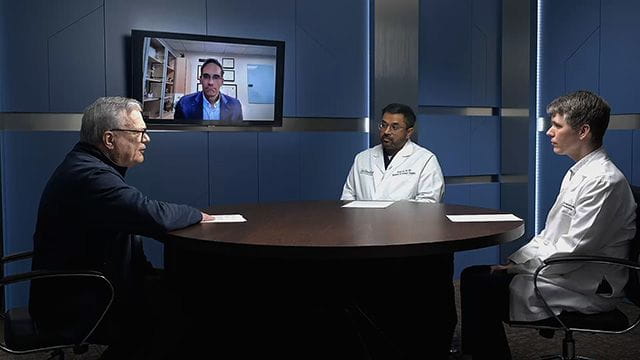
In this panel discussion, gastroenterology, endoscopy and surgical experts examine how GLP‑1 agonists, bariatric endoscopy and surgery each fit within a chronic disease framework. Rather than positioning these therapies as competing options, the discussion emphasizes patient‑specific selection, durability of outcomes and the growing importance of combination and sequential approaches.
Panel participants included:
-
Dr. Eamonn Quigley, David M. Underwood Chair of Medicine in Digestive Health and co-director of the Lynda K. and David M. Underwood Center for Digestive Health at Houston Methodist
-
Dr. Aman Ali, Bariatric & Foregut Surgeon, Director of Obesity Medicine, Lynda K. and David M. Underwood Center for Digestive Health
-
Dr. Thomas McCarty, Bariatric Endoscopy and Interventional Gastroenterology, Assistant Professor of Clinical Medicine, Lynda K. and David M. Underwood Center for Digestive Health
-
Dr. Christopher Thompson, Director of Endoscopy, Co-Director, Center for Weight Management and Wellness, Brigham and Women’s Hospital, Professor, Harvard Medical School