
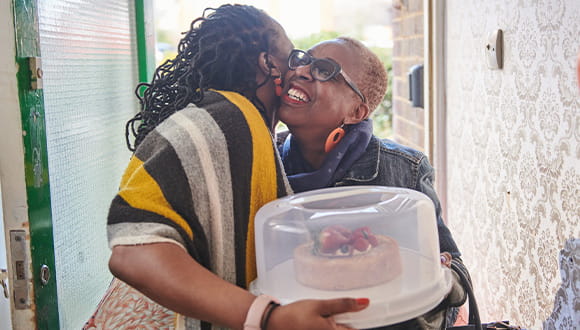

Building real social connection matters as much for your health as diet or exercise. And you can do it without anxiety or pressure.
Monitoring our macros, steps or sleep (maybe with a wearable?) might come to mind if one wants to optimize their well-being. But there’s another factor often gets overlooked in hacking our health: social connection. And, as a society, we’re currently lacking it. One in three Americans report feeling lonely every week, according to an American Psychiatric Association poll — and 30% of Americans age 18 to 34 say they feel lonely every day. Building a strong, meaningful social network (IRL, not online) can be as significant for our health as quitting smoking or losing weight. But what counts as meaningful connection — and can small talk, texting and casual interactions really make a difference? This episode explores how social connection shapes our mental and physical well-being, why loneliness and isolation aren’t the same thing, and how to build healthier, more authentic connections in everyday life.
Expert: Dr. Olivia Tomasco, primary care doctor
Notable topics covered:
- What loneliness is and how it differs from isolation
- Why loneliness can affect both mental and physical health
- Who is most at risk for social disconnection?
- When technology helps connection — and when it may make loneliness worse
- Why both quality relationships and everyday small talk matter
- What a healthy, supportive connection actually looks like
- Whether texting, memes and other digital check-ins really count
- How to make new connections in more authentic, low-pressure ways
- When loneliness may be a sign it’s time to seek professional help
[Engagement Card]
