
Peak-season produce often tastes better, costs less and packs more nutritional value.
Bite into a peach at the height of summer, and the difference is hard to ignore. It's softer, sweeter, juicier and simply more delicious than anything that shows up months later in the fall or winter.
But it's not just about flavor. In-season produce is not only cheaper because you're purchasing it at the peak of its supply when it's easiest to grow and harvest, but it may also carry a nutritional edge.
“A lot of these fruits and vegetables are going to be fresher in their season. They’re going to taste a little bit better, and you may actually be able to find them more locally.”
Kristen Wright, registered dietitian
Why seasonal produce matters
The thing about produce is that once it's picked, it doesn't just freeze in time. An invisible countdown starts the moment it's harvested. The longer the gap between when it's picked and when it's eaten, the more opportunity there is for certain nutrients to begin breaking down.
In other words, fruits and vegetables don't retain the exact same nutritional value over time. As they're stored, transported and handled, their composition slowly shifts — especially when it comes to more delicate vitamins, like vitamin C (a notoriously unstable antioxidant). It's one of the reasons timing plays such a big role in how produce tastes and what it delivers nutritionally.
That's where seasonal eating comes in. When fruits and vegetables are in season, they're more likely to be harvested closer to peak ripeness and reach consumers sooner. That shorter journey often means better texture, better flavor and overall better quality — something Wright emphasizes when she talks about why in-season produce tends to feel fresher and taste better.
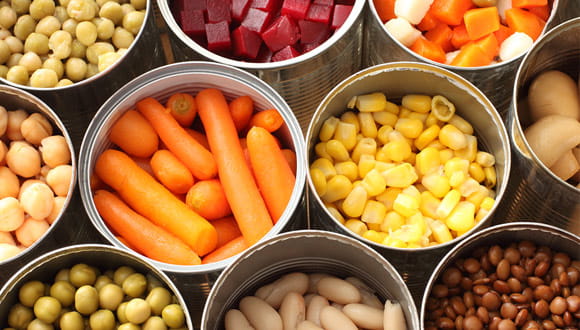
To be clear, frozen fruits and vegetables can help bridge that gap. Because they're typically preserved shortly after harvest, they can retain much of their nutritional value and offer a convenient, long-lasting option.
But you might be trading taste for convenience. There's a difference between tossing frozen vegetables into a pan and biting into a tomato at the height of summer — when it's been picked ripe, full of flavor and meant to be eaten right then and there.
There's really nothing that compares.
What fruits and vegetables are in season this summer in Texas?
The U.S. is huge, and summer isn't the same everywhere. In Texas especially, summer tends to start earlier and stretch out longer. If you're Texan, you know it doesn't really "cool off" until around Halloween. That's what makes Texas summers so great for growing hot weather-loving crops.
Around May is when you really start to notice prices drop and produce "pop." Not only in stores, though. Across the state, entire festivals are built around whatever's in season. It starts as early as May in Pasadena with its Strawberry Festival, the Texas Blueberry Festival in Nacogdoches in June and the Luling Watermelon Thump later that month.
[Engagement Card]
By July, peaches take over across the Hill Country, with Fredericksburg and nearby towns leaning into the season with their own festivals and roadside stands. And because summer doesn't exactly end here, there's even one last stretch — by late August and into September, Hatch chile season rolls in, with many Texas-based groceries bringing it front and center.
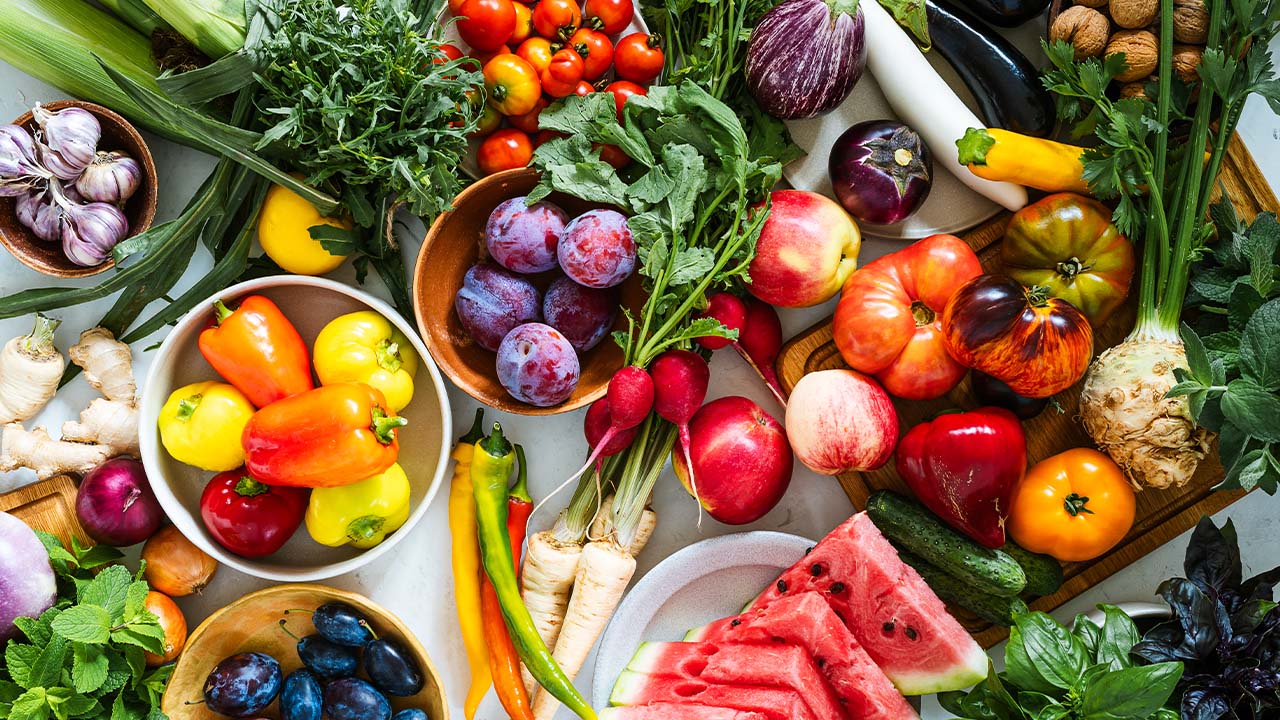
Here's what you'll typically find in season across Texas this summer, based on seasonal growing data from Texas A&M AgriLife Extension and other Texas agriculture resources.
Early summer
-
Strawberries: Carry over from late spring and are still easy to find early in the season across Texas
-
Blueberries and blackberries: Peak in late spring to early summer, especially in East Texas
-
Plums: One of the first stone fruits to show up ahead of peaches
-
Figs (early varieties): Some varieties begin appearing as summer starts
-
Potatoes: Harvested in late spring into early summer in many parts of the state
-
Green beans: One of the earlier vegetables to hit markets in volume
-
Zucchini and summer squash: Fast-growing and widely available right out of the gate
-
Cucumbers: Start strong in early summer and stick around for months
-
Sweet onions: Still lingering from spring harvest season into early summer
Mid-summer
-
Peaches: The Hill Country staple when the season is fully underway
-
Watermelon: Becomes more prominent as the heat builds, with a long Texas season
-
Cantaloupe and honeydew: Peak when temperatures climb and hydration matters most
-
Tomatoes: At their best early to mid-summer before extreme heat slows production
-
Sweet corn: A mid-summer staple at farmers markets and roadside stands
-
Eggplant: Thrives in heat and starts to show up more consistently mid-season
-
Peppers (early harvests): Bell and hot varieties begin appearing regularly
-
Okra (early): Begins to show up as temperatures climb
-
Summer squash (ongoing): Continues in abundance as the season builds
-
Herbs (basil, cilantro): Flourish in heat and show up alongside summer vegetables
Late summer
-
Okra: One of the most heat-resistant crops, peaking in the hottest stretch
-
Eggplant: Continues strong through late summer
-
Peppers (bell and hot): Increase in volume and carry into fall
-
Hatch chiles: Arrival signals late-summer peak, often extending into early fall
-
Figs (main crop): Stronger presence in mid- to late summer, depending on variety
-
Watermelon (late season): Still widely available across Texas
-
Melons (ongoing): Continue depending on growing region
-
Southern peas (black-eyed peas): Common late-summer crop in Texas heat
-
Sweet potatoes (early harvests): Begin appearing late summer in some regions
Simple ways to eat more seasonal produce
The great thing about peak-season produce is that it's in the most delicious state that it could possibly be in. In other words, you don't need to do much for it to taste great. That said, most of us could stand to eat more fruits and vegetables in our diet — we all know it, but it's easier said than done.
For Wright, it really comes down to starting small — the kind of changes that "really add up over time." Smoothies are one of the easiest ways to do that.
"With smoothies, you can incorporate multiple things at once, and it doesn't feel like you're sitting down to eat a full plate of vegetables," she says.
That same idea shows up in smaller ways throughout the day. A few easy places to start:
-
Add fresh fruit to something you already eat, like yogurt or oatmeal
-
Keep cut fruit or vegetables in the fridge so they're easy to grab
-
Build simple meals or salads around whatever looks good that week
-
Swap in seasonal produce as a snack instead of something packaged
In the summer, hydration becomes part of it, too.
"Infused water is another good option," she says. "You can add things like berries, cucumbers or citrus to your water, and it's a simple way to make it a little more appealing."
It tends to look a little different for everyone. Some people start with smoothies; others just begin adding things here and there or trying something new when it's in season. There's not really one right way to do it.
"Just have fun with your fruits and veggies," Wright emphasizes.
Where to find seasonal produce in Houston
As Houstonians, we're lucky to have an overwhelming number of top-tier grocers. Not only are the big-name stores easy to find, but there's also a wide mix of specialty shops that carry ingredients from around the world — and from right here in our backyard.
[Related Content]
But when it comes to what's actually in season, a lot of that shows up most clearly at the local level. Farmers markets around Houston tend to follow the same rhythm as the local growing season, which means what you see there usually reflects what's being harvested at that point in the summer.
A few go-to spots around the area include:
-
Urban Harvest Farmers Market: One of the largest and most well-known markets in Houston, with dozens of local vendors offering produce, meats and prepared foods sourced within about 180 miles of the city
-
Houston Farmers Market: A long-standing, daily market on Airline Drive with a wide variety of fresh produce, specialty items and international ingredients
-
East End Farmers Market: A smaller, neighborhood-focused market with a mix of fresh produce, prepared foods and local goods
-
Heights Mercantile Farmers Market: A more curated, pop-up style market with a mix of produce, baked goods and local vendors
-
Braeswood Farmers Market: A community-driven market that brings together local farmers, food vendors and family-friendly activities
-
Natural Living Food Co-op: A smaller, community-focused option that highlights local growers, artisans and sustainable vendors
"Farmers markets are a really good way to see where your food comes from," Wright says. "You're not only supporting local farmers, but you're also getting something that's fresh and in season."
Plus, for families, Wright says farmers markets can also be a great way for kids (who can be notoriously picky vegetable eaters) to see where their food comes from and potentially get them interested in trying new fruits and vegetables.
"They just make eating more exciting," Wright emphasizes. "You're seeing what's available and trying things you might not normally pick up. Just because you haven't tried it before, doesn't mean it's not going to be delicious."
And in a region where the growing season stretches as long as it does, there's usually something new to come across — even late into the summer.