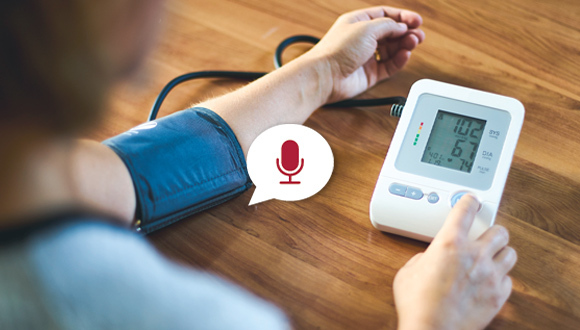
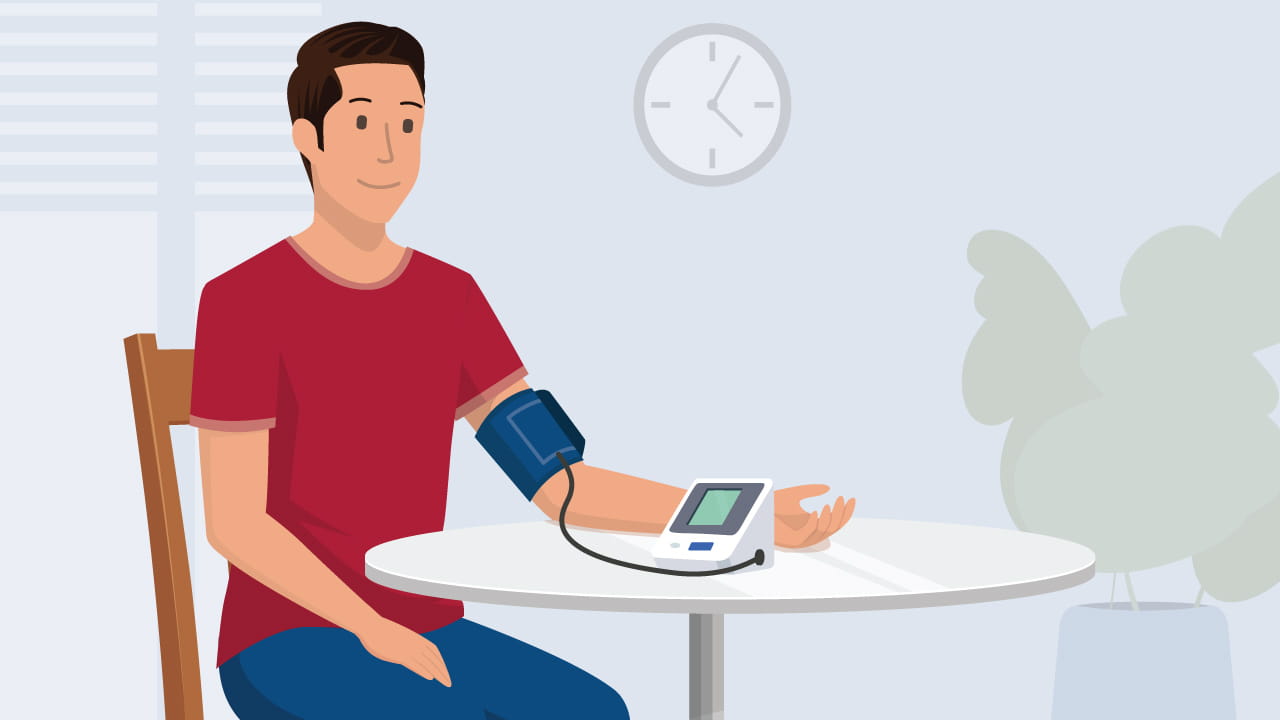

One high blood pressure reading doesn't confirm hypertension. Cuff size, posture and technique can all skew the result.
High blood pressure, also called hypertension, is common: About half of all U.S. adults have high blood pressure, according to the CDC, and 80 percent of those don’t have it under control. On a global scale, the World Health Organization estimates that roughly one in three adults aged 30 to 79 have hypertension, and only about one in four has it well controlled.
These numbers show how common hypertension is worldwide and why early detection, lifestyle changes, and consistent treatment are so important.
Hypertension is often called a “silent killer” because it rarely causes noticeable symptoms, allowing high blood pressure to quietly damage the arteries and organs for many years before it is detected.
[Related Content]
The only way to know if you have high blood pressure is to have it measured, but measuring it is not so simple as slipping on a cuff, pushing a button and getting a number. Many things can temporarily elevate blood pressure and lead to inaccurate readings, says Dr. Khursheed Banglawala, a family medicine doctor at Houston Methodist.
Stress, caffeine and lack of sleep are common culprits. But so are often overlooked factors like how you’re seated, whether you’re talking or if you need to use the restroom.
“A single elevated measurement does not necessarily mean you have hypertension," says Dr. Banglawala. "You should have more than one blood pressure reading. Ideally, they should be separated by time and then averaged.”
Whether you are checking your blood pressure at home or in a clinic, it helps you to know how to measure it correctly so that your readings are accurate. Below are the key steps to focus on when taking your blood pressure and what actions to consider if the numbers are high, as explained by Dr. Banglawala.
(Related: Smartwatch Hypertension Notifications: How Seriously Should You Take It?)
What’s a ‘good’ blood pressure reading?
You will always see two numbers in a blood pressure reading. The top number, called systolic pressure, measures the force of blood against your arteries when your heart beats. The bottom number, called diastolic pressure, measures that force when your heart is resting between beats.
For most adults, normal blood pressure is below 120/80, according to the CDC. Readings above this range are considered elevated or abnormal, depending on how high they are. Hypertension is defined as a blood pressure that is consistently at or above 130/80.
Dr. Banglawala often explains that systolic readings in the 120 to 130 range fall into a gray zone, much like prediabetes — where often the goal is mainly awareness.
“Between 120 and 130, I think of it more like pre‑hypertension,” she says, noting that this range is often a signal to focus on lifestyle habits and monitor readings more closely over time.
(Related: How to Lower Blood Pressure Without Medication)
So what if you get a reading that’s 130/80 or above? While the official cutoff can be helpful to know, a single reading can be misleading, Dr. Banglawala notes. Diagnosing high blood pressure isn’t about catching a single spike, but rather a pattern, she continues. It’s about understanding whether readings stay elevated when they’re measured correctly and under similar conditions.
“Learning how to measure your blood pressure and understanding what’s considered normal or high gives people the information they need to take care of themselves. Understanding your blood pressure is the first step toward managing it.”
Dr. Khursheed Banglawala
Family medicine doctor at Houston Methodist
Who should check their blood pressure at home?
Monitoring your blood pressure at home isn’t just for people who already have high blood pressure. It can also be useful when there’s uncertainty about what blood pressure readings really mean — especially if numbers have been borderline, inconsistent or higher than expected.
Dr. Banglawala often recommends checking blood pressure at home after an in-office reading is elevated or high and there’s a question of whether it reflects a true baseline or a temporary spike, the latter of which which is surprisingly common. Studies show that an estimated 1 in 5 people have “white coat” syndrome — when patients have high blood pressure in the doctor’s office but not at home.
That said, home readings are only meaningful if they’re taken correctly and consistently, says Dr. Banglawala. That’s why she often asks patients to bring their blood pressure monitor to an appointment — to compare readings and make sure both the device and technique are reliable.
Another way to ensure your blood pressure monitor is legit is to check Validate BP — a free resource supported by the American Medical Association that tests blood pressure devices for clinical accuracy.
(Related: Why Your Blood Pressure Matters — Even in Your 20s And 30s)
The type of blood pressure monitor matters
Dr. Banglawala recommends using an automatic upper‑arm blood pressure monitor — not a manual one, nor a wrist cuff. Wrist cuffs, she says, are more sensitive to positioning and are easier to use incorrectly, both of which can throw off readings.
The size of your cuff matters, too. A cuff that’s too small or too large can lead to inaccurate results, as can placing it over thick or bunched‑up clothing, she says. Instead, Dr. Banglawala recommends the cuff be placed directly on your arm or over a single, thin layer of fabric at the most.
That said, for patients who (for whatever reason) cannot use an arm cuff, a wrist cuff may be used.
What if my blood pressure is elevated?
If your blood pressure readings are elevated (120-129/80), the most important thing to remember is that one number doesn’t tell the whole story. Slightly elevated blood pressure is a signal to pay attention and not necessarily a diagnosis, says Dr. Banglawala.
However, when readings stay at or above 130/80, treatment really depends on what other risk factors that person has, she says.
“If someone’s in the 130s over 80s but otherwise low risk, I usually start with lifestyle changes and then reassess over time,” she says. “If blood pressure remains elevated after several months, medication may be added at that point.”
If readings fluctuate widely, Dr. Banglawala says she may look at how those measurements are being taken and, in some cases, whether there could be an underlying medical reason contributing to the elevation. While most people have what’s known as primary, or essential, hypertension, a smaller number have secondary causes that may require additional evaluation by a cardiologist.
[Engagement Card]