
Trendy salts aren't meaningfully healthier. Plain iodized salt is still a smart choice — especially during pregnancy.
History is full of reminders that salt was once one of the world’s most valuable resources. In ancient Rome, salt helped preserve food, keep armies fed across far distances and was valuable enough to inspire the word salary, which comes from salarium — the allowance soldiers received to buy salt.
Today, salt occupies both ends of the price spectrum. A pound of table salt costs less than a dollar, while specialty salts — like truffle salt, fleur de sel and volcanic black salt — can easily cost more per ounce than certain cuts of steak.
With that kind of range, it’s fair to wonder: Is any one of these salts actually healthier?
[Related Content]
Why different salts get different health reputations
There are lots of salts out there — and each one seems to come with its own promise. Some are marketed as more natural. Others highlight trace minerals or claim to support hydration, heart health or better balance overall.
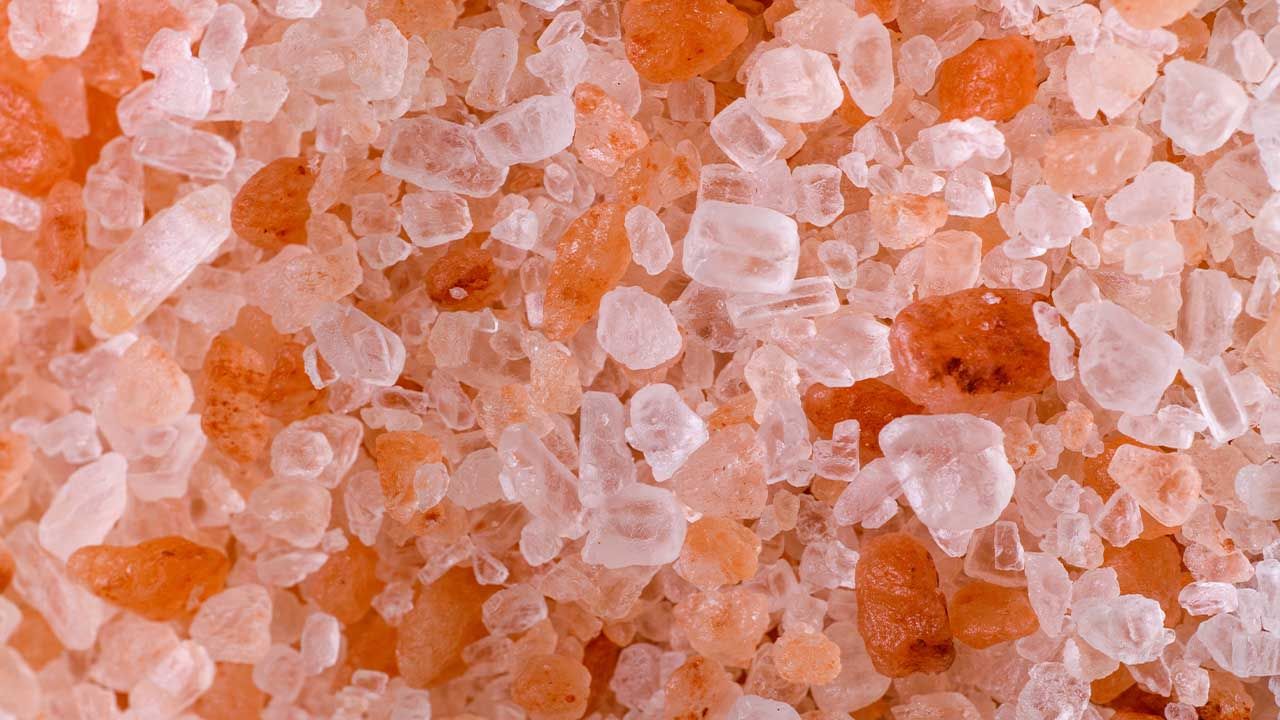
Arguably the most famous of the so‑called “healthy” salts is Himalayan pink salt. Mined from ancient salt deposits in the Himalayan region, it’s known for its rosy color, coarse crystals and reputation as a more natural alternative to standard table salt. Brands and wellness advocates often point to its trace minerals — including magnesium, potassium and iron — as evidence that it offers added health benefits.
Then there are sea salts — a broad category that includes familiar names like Celtic salt and fleur de sel. Harvested from evaporated seawater rather than mined from underground, these salts are often described as less processed and closer to their natural state.
Some varieties, like Celtic salt and sel gris, have a slightly gray hue, which comes from trace minerals and clay left behind during the evaporation process. Fleur de sel, French for “flower of salt,” forms as delicate crystals on the surface of salt ponds and is hailed for its texture and briny flavor.
Like pink Himalayan salt, sea salts are often associated with natural minerals. The presence of small amounts of magnesium, calcium and potassium is frequently cited as a reason these salts are considered a healthier choice — especially compared with refined white table salt.
In one way or another, all of these claims rest on the same idea: that because certain salts are less refined and contain trace minerals, they must offer meaningful nutritional advantages.
It’s a compelling argument, especially when those minerals are ones we know our bodies need. But when it comes to salt, nutrition doesn’t just hinge on what’s there. It also depends on how much of it you’re actually getting.
That’s where Amanda Beaver, a registered dietitian at Houston Methodist, says the conversation often shifts.
“People often assume salts like pink Himalayan salt are healthier. They do contain trace minerals, but the amounts are very small and not enough to make any significant impact on heart health or mineral intake.”
Amanda Beaver
Registered dietitian at Houston Methodist
To get meaningful amounts of those minerals from salt, Beaver says you’d have to consume far more salt than is recommended for good health. Instead, Beaver says people would be much better off getting those minerals from foods like sweet potatoes or chickpeas, which provide far greater amounts of potassium and iron without the added sodium.
So, if pink salt and sea salt aren’t delivering the health boost they promise, what does matter when it comes to choosing salt?
The answer isn’t new or flashy. In fact, it’s probably already sitting in your pantry.
Why iodized salt still matters
Iodized salt is simply regular table salt with iodine added, and while it’s often overlooked in favor of trendier options, it’s the only type that consistently adds a nutrient many people in the U.S. may still fall short on — even if it’s the least expensive choice on the shelf.
“Popular media has made people fearful of iodized salt,” says Beaver. “However, iodine is an essential mineral we all need. It will be in your multi-vitamin, your prenatal vitamin, among others, and helps prevent iodine insufficiency, which is more common in certain populations, particularly pregnant women and people who don’t eat much dairy or seafood.”
(Related: Wellness Trends: How to Spot Bad Advice on Social Media)
Iodine is an essential mineral the body needs to make thyroid hormones, which help regulate metabolism, growth and brain development. During pregnancy, those hormones play a critical role in fetal brain development, which is why iodine needs increase — and why even mild shortfalls can matter more during that time.
Severe iodine deficiency — the kind that leads to obvious thyroid disease — is now rare in the U.S., thanks largely to salt iodization and changes in the food supply. One classic sign of severe deficiency is goiter, an enlargement of the thyroid gland that can cause visible swelling at the base of the neck.
But health experts distinguish between deficiency and iodine insufficiency, which refers to intake that’s lower than ideal over time. Insufficiency doesn’t always cause clear symptoms, but it can still be meaningful — especially during pregnancy and breastfeeding.
Studies and expert reviews have linked mild to moderate iodine insufficiency during pregnancy with subtle but important effects on child development, including lower measures of cognitive performance, differences in language and attention, and altered thyroid hormone levels in newborns. These associations appear strongest in early pregnancy, when fetal brain development is most sensitive to maternal thyroid hormone availability.
More recent analyses of U.S. population data help explain why this remains a concern. Studies using National Health and Nutrition Examination Survey (NHANES) data suggest that roughly 35% to 45% of pregnant women in the U.S. may have iodine intakes below recommended levels, particularly when prenatal vitamins do not include iodine. Those findings are one reason the National Institutes of Health launched a dedicated Iodine Initiative, with a strong focus on pregnancy and lactation — periods when iodine needs rise and even mild insufficiency may have downstream effects on fetal and infant development.
For people who are not pregnant or breastfeeding, the picture generally looks different. In non‑pregnant adults, mild iodine insufficiency often does not cause obvious symptoms or lead to overt thyroid disease, as the thyroid can compensate for lower intake in the short to medium term. Many people may never know their intake is on the low side.
That’s why public‑health agencies consider the general U.S. adult population iodine‑sufficient overall, even as they continue to flag certain subgroups with higher needs and greater sensitivity to shortfalls.
“People can still use pink salt and sea salt, but some groups including those who are pregnant, breastfeeding, vegetarians or vegans should use iodized salt,” says Beaver.
One exception includes people with certain thyroid conditions, such as Graves’ disease, who may need to limit excess iodine. In those cases, Beaver says it’s important to talk with a doctor or registered dietitian about what type of salt to use, since individual needs can vary.
(Related: Is Your Thyroid Trying to Tell You Something?)
[Engagement Card]
How much salt should you actually use?
Most health organizations agree on a general target for sodium intake. The CDC recommends keeping sodium under 2,300 milligrams per day, while the American Heart Association considers 2,300 milligrams the upper limit and encourages most adults to aim closer to 1,500 milligrams for ideal heart health.
In practice, most Americans consume about 3,300 milligrams of sodium a day, roughly 1,000 milligrams more than recommended. However, most of that is due to processed and restaurant foods, not the salt added during home cooking.
(Related: What Happens If You Eat Too Much Salt?)
“That’s why I don’t tell people to stop using salt in their home cooking,” says Beaver. “Home cooked food typically is not the problem, most of the sodium in our diets is coming from restaurant and packaged foods that we cannot change the amount of salt in.”
Using salt intentionally when cooking at home can actually support healthier eating. Salt helps food taste balanced and satisfying — and when food tastes good, people are more likely to cook regularly rather than rely on highly processed or restaurant meals. It also means paying attention to which salt you’re using.
“When cooking, choosing iodized salt is an easy way to add a nutrient many people still fall short on, particularly if you are vegetarian, vegan, pregnant or breastfeeding” Beaver says.
In other words, the goal isn’t to fear salt; it’s to use it deliberately, especially when cooking at home where you have the most control.
“Salt doesn’t need to be complicated,” says Beaver. “Salt is salt regardless of it is pink salt, sea salt or iodized salt. Don’t fear using iodized salt in your cooking.”
(Related: 10 Foods Surprisingly High in Sodium and How to Cut Back)