
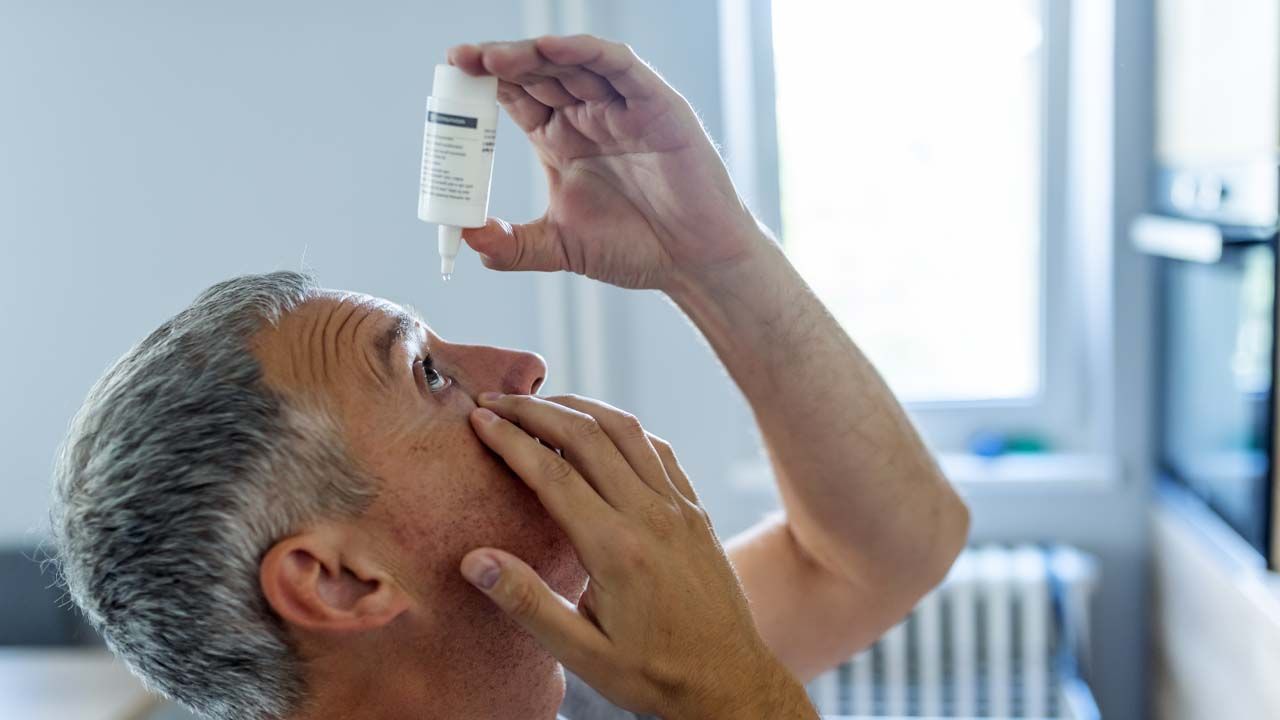

Dry eyes and allergies don't need the same treatment. Choosing the wrong drops can make redness and irritation worse.
If your eyes often feel dry, irritated, red or itchy, you’re not alone. These symptoms are common and can come from several overlapping conditions, including dry eye disease, blepharitis, meibomian gland dysfunction (MGD) and ocular allergies. Sometimes, sinus or seasonal allergies can worsen eye discomfort.
Dry eye-related symptoms typically include burning, redness, a gritty or foreign‑body sensation and irritation along the eyelid margins. Allergy‑related symptoms tend to cause more itching, puffiness and watery eyes, although many patients experience both dryness and allergies simultaneously.
Because there are different causes of eye inflammation, the type of drops that will help most can vary from person to person. We spoke with Dr. Kimberly Rosen, a therapeutic optometrist with Houston Methodist, about the best options for allergy drops for dry eyes.
Over‑the‑counter eye drops: what’s safe and helpful?
“For most people, the safest and most effective over‑the‑counter option for dry eyes is brand-name preservative‑free artificial tears,” says Dr. Rosen. These drops help lubricate the eyes and reduce burning, irritation, grittiness and redness.
“Preservative‑free drops are gentle and can be used as often as needed throughout the day without harming the surface of the eye, making them a great long‑term solution.”
Dr. Kimberly Rosen
Therapeutic optometrist with Houston Methodist
For patients with more severe dryness — especially overnight dryness — gel drops or lubricating ointments may also be helpful. These are best used at bedtime because they temporarily blur vision.
In addition to drops, warm compresses are a simple but very effective treatment, particularly for people with MGD. They help improve oil flow from the eyelid glands and support healthier tear production.
Allergy eye drops
If itching, puffy eyelids or clear allergy triggers like pollen or pet dander are your main symptoms, antihistamine or mast‑cell stabilizer drops can be very helpful. These drops are designed to calm allergic inflammation rather than simply lubricate the eye.
However, not all redness drops are created equal. Redness‑relieving drops are not recommended, especially for patients with dry eyes because they can worsen dryness and cause significant rebound redness with repeated use.
When are prescription drops needed?
If you find yourself using artificial tears more than four times per day, or if you have certain underlying medical conditions, it may be time to consider prescription treatment. Common prescription options for chronic dry eye work by reducing inflammation and improving tear quality over time.
For more severe or seasonal allergies, prescription allergy eye drops offer stronger and longer-lasting relief compared to over-the-counter options.
Short‑term steroid eye drops can sometimes be used to calm acute inflammation, but these are not safe for long‑term use and must be carefully monitored by an eye care provider, says Dr. Rosen.
[Related Content]
Safety, side effects and what to expect when using eye drops
Many patients worry when a new eye drop causes mild burning or stinging. In most cases, this is a normal side effect and does not mean the drop isn’t working. However, if discomfort worsens or doesn’t improve with continued use, the drop may not be the right fit.
Because certain eye drops may not be appropriate for people with specific medical histories or certain medications, it’s best to review your current medications and any over-the-counter eye drops you want to use with an eye care professional. Individual guidance is important to avoid harmful reactions between medications.
As a rule, over‑the‑counter drops should be tried consistently for about two weeks. Prescription dry eye or allergy drops should be given for four to six weeks to determine effectiveness.
Consistency is key because dry eye disease and ocular allergies are chronic conditions. While there is no permanent cure, there are effective options for managing symptoms and improving comfort.
[Engagement Card]
Eye exams and follow‑up matter
An eye exam is the best way to determine why your eyes are uncomfortable and which treatments will work best for you. Treatment plans are often adjusted over time. Typically, patients are seen for an initial consultation and then again in one to two months, depending on symptom severity. If symptoms worsen before a scheduled visit, patients are encouraged to call or message the office to be seen sooner.
With the right combination of drops, supportive treatments and follow‑up care, most patients can achieve significant relief and long‑term symptom control.