Dr. Sudha Kodali on the First and Only Book on Transplant Oncology Edited by Dr. Maen Abdelrahim
Jan. 28, 2026 - Abanti ChattopadhyayTransplant oncology is an emerging and evolving field that is changing cancer treatment, especially for cancers that were previously untreatable by transplantation. Maen Abdelrahim, MD, PhD, B Pharm, Section Chief of Gastrointestinal Medical Oncology at the Dr. Mary and Ron Neal Cancer Center, and Medical Director of the Cockrell Center for Advanced Therapeutics Phase I program, edited the first and only book on Transplant Oncology—“Transplant Oncology: A Frontier in Multidisciplinary Cancer Care”.
Published by Elsevier, the book is receiving considerable praise for its groundbreaking text and the coverage of several key topics, including immunotherapy, transplant immunology, using circular tumor DNA for monitoring and novel surgical and genomic strategies.
An article was published in digital Methodology, which provides details of this pioneering book. Here is the link:
Frontiers in Transplant Oncology
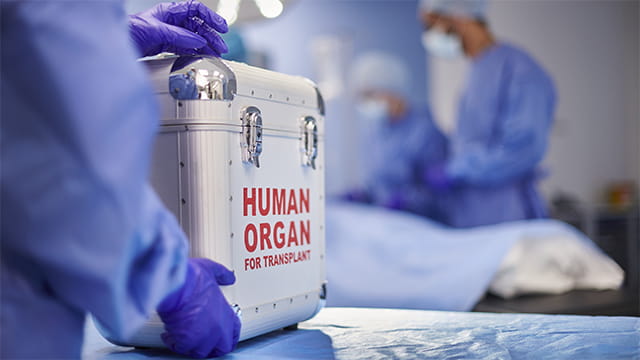
Several experts at Houston Methodist are engaged in transplant oncology, bone marrow transplants, liver cancer transplants and research on transplant immunology and oncology.
Notably, Sudha Kodali, MBBS, MSPH, Associate Professor of Clinical Medicine, Department of Medicine, Dr. Mary and Ron Neal Cancer Center, Underwood Center for Digestive Health, J.C. Walter Jr. Transplant Center, commented on the book and the related article published in Digital Methodology.
Here is her comment:
"The publication of 'Transplant Oncology: A Frontier in Multidisciplinary Cancer Care' is no less than a landmark achievement in helping readers understand the advancement of this rapidly evolving field. Transplant oncology is an evolving field that encompasses collaboration between hepatologists, transplant surgeons, oncologists and various other specialists to improve outcomes in patients with liver cancer. As transplant oncology continues to redefine treatment approaches for previously unresectable malignancies, this comprehensive resource provides invaluable insights into the integration and need for multidisciplinary partnership.
The book's emphasis on expanding therapeutic options beyond the standard size criteria initially used to select patients with hepatocellular carcinoma and emerging therapies for cholangiocarcinoma, reflects the tremendous progress we've made in improving survival outcomes from 20% to over 80% for patients with primary liver cancer. Dr. Abdelrahim's leadership in editing this work, combined with contributions from pioneers worldwide, establishes a critical foundation for improving the readers’ understanding of the continued advancement of transplant oncology as a curative modality for various primary and secondary liver tumors.
What particularly excites me about this publication is its focus on emerging concepts such as immunotherapy applications in transplant settings and the utilization of circulating tumor DNA for post-transplantation surveillance. These innovations represent the future of personalized cancer care and provides additional tools for disease control, surveillance and also early detection and treatment. This book serves as an essential reference for all healthcare professionals committed to providing cutting-edge care in this transformative field."