

Driving a New Standard
A cancer diagnosis is one of the most difficult moments a patient and their loved ones will face. While advances in oncology have reduced cancer-related mortality, significant gaps remain among treatment response and long-term outcomes. Philanthropy plays a vital role in closing these gaps by supporting early-stage translational research and strengthening education for next-generation leadership.
At the Houston Methodist Neal Cancer Center, faculty investigators work at the intersection of molecular science and clinical medicine, rapidly translating emerging insights into precision therapies and data-informed treatment strategies.
Named in honor of transformational support by Dr. Mary and Ron Neal, the Neal Cancer Center reflects a shared vision for advancing cancer care beyond traditional chemotherapy and radiation — into improved outcomes and enhanced quality of life.

Overcoming Complex Barriers to Care
Philanthropy is helping experts at the Neal Cancer Center extend their reach by treating patients where they are. Houston Methodist physicians deliver expert oncology care to communities with limited access to healthcare, addressing social barriers while improving outcomes and restoring hope through community-based clinical programs.

Cancer Gift Reflects Philanthropy Anchored by Hope
Focused donor investment is strengthening the foundation of cancer education and research at the Neal Cancer Center by fueling fellowship training and academic infrastructure. Preparing the next generation of oncology leaders is essential to advancing the center’s long-term vision for discovery-driven care.


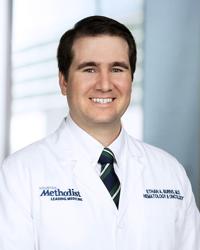
Ethan A. Burns, MD
Houston Methodist Dr. Mary and Ron Neal Cancer Center
I have one patient who takes three different buses to get to his infusion appointments. There are just so many social determinants of health faced by uninsured and underserved patients in Houston — it’s easy for many to feel forgotten.