
Are your everyday habits helping or hurting your pelvic floor? A pelvic floor specialist shares the do's and don'ts everyone should know.
If the words "pelvic floor" only come to mind when thinking about pregnancy, you're not alone. But these muscles — yes, the pelvic floor is a group of muscles — affect daily life more than you might realize.
"Pleasure, bladder function, bowel function, childbirth — this small area of your body plays a large role in so many important functions," says Dr. Sarah Rozycki, a urogynecologist and pelvic floor specialist at Houston Methodist. "It's never too soon to start thinking about the habits that help your pelvic floor function optimally."
This starts with understanding how the pelvic floor works and the everyday habits that support (or strain) it.
What the pelvic floor is and why it matters for everyone
Unlike your biceps, quads or calves, pelvic floor muscles are ones you can't see. So, it comes as no surprise that you may not know as much about them either.
"If you think of your abdominal cavity: You've got the top, which is the diaphragm; the front, which is your abdominal muscles; the back, which is your spine and back muscles," Dr. Rozycki says. "Then you have the base of the cavity — your pelvic floor."
It's a group of muscles, connective tissue and ligaments that hold your pelvic organs in place, including the bladder, urethra, rectum and, for women, the uterus. As such, it plays a role in everything from bladder and bowel function to sexual pleasure and childbirth.
That said, the pelvic floor has value beyond the pelvis. It also works with your core, back and hip muscles to aid posture while sitting, standing and moving; reduce back strain during activity; and coordinate breathing through diaphragm support.
Lastly, the pelvic floor isn't just a concern for women — it’s also not just a concern for women who are older or have been pregnant.
"All women and men should care about their pelvic floor function. We all have a bladder, we all have a urethra, we all have a GI tract."
Dr. Sarah Rozycki, urogynecologist
Do's that support your pelvic floor
Because the pelvic floor helps support so many everyday functions, the habits that affect it matter more than you may realize. The good news is that supporting your pelvic floor doesn't require a complete lifestyle overhaul. Here are four habits that can help keep these muscles functioning at their best.
Do learn to control your pelvic floor muscles
"It's not just about strength; it's also about coordination — knowing when to let those muscles relax and when to engage them," says Dr. Rozycki.
Not sure where to start when it comes to engaging your pelvic floor muscles? Dr. Rozycki recommends imagery: "Pretend like you're in an elevator and you don't want to pass gas in front of everyone, and then squeeze your muscles to keep that gas in." Another cue: "Pretend like you're sitting on the toilet urinating, but someone's trying to walk in on you, and you've got to stop your stream."
For visual feedback at home, you can prop up a mirror and look for a lift and a pulling-in motion at the vaginal opening — a sign you're engaging the pelvic floor muscles.
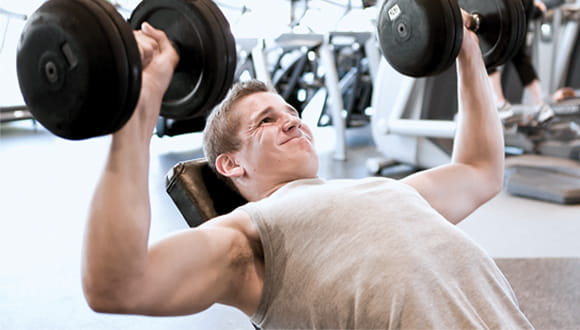
Do exhale during heavy lifts
Whether you're picking up a bag of cat litter or a barbell, holding your breath while lifting pushes pressure down onto the pelvic floor — putting unwanted strain on these muscles.
[Related Content]
"Rather than holding your breath, I want you to exhale when you lift something heavy," she says. "That is the biggest piece of advice that I could give in terms of minimizing damage or strain, especially while exercising."
Do think beyond Kegel exercises
Kegels can certainly help build pelvic floor awareness, and Dr. Rozycki considers that an important skill for everyone. But they're only one piece of the puzzle.
"There's so much more that comes into play with your pelvic floor: your abdominal muscles, your back muscles, your hip muscles, your posture, how you're sitting, how you're standing," she says.
A holistic fitness routine that works to strengthen your core, back and hip muscles does more for your pelvic floor than Kegels alone.
Do be patient with yourself
Learning to control muscles you can't see takes time. Dr. Rozycki says the biggest mistake she sees is people getting overwhelmed and quitting too early.
"You can't work on something if you don't practice it," she says. "It takes time to learn how to engage and relax a body part that you can't physically see."
Keep at it, she encourages.
Don'ts that put unnecessary strain on your pelvic floor
Supporting your pelvic floor isn't just about building healthy habits. Avoiding behaviors that put unnecessary pressure on these muscles is equally important. Many pelvic floor issues stem from repeated straining over time, which is why Dr. Rozycki recommends keeping these common pitfalls in mind.
Don't push while urinating
It may seem harmless, but forcing your stream puts excess downward pressure on the pelvic floor. "You should just sit on the toilet and let it flow. Don't push," Dr. Rozycki says.
Don't strain during bowel movements
Chronic straining is one of the most harmful habits for pelvic floor health. "The pelvic floor shouldn’t be asked to work against excess pressure," Dr. Rozycki says. "We want to do everything we can to limit straining."
Instead of bearing down and holding your breath while on the toilet, she recommends gently blowing out — as if blowing bubbles.
[Engagement Card]
Don't overdo Kegels without guidance
If your pelvic floor muscles are already tight — something that can happen without you realizing it — additional contraction exercises, like Kegels, can actually be counterproductive.
"Pelvic floor dysfunction isn't always caused by weakness; it can also happen when muscles are overly tight," explains Dr. Rozycki. "And it's hard to differentiate this without a pelvic floor specialist guiding you in the right direction."
When to talk to a pelvic floor specialist
Even with the best habits, some people benefit from professional guidance. If you've noticed changes in your bladder or bowel habits, Dr. Rozycki recommends checking in with a urogynecologist.
Symptoms of pelvic floor dysfunction include:
Frequent or painful urination
Incomplete emptying or interrupted urine flow
Nighttime urination
Stress incontinence
Unexplained pelvic pain, discomfort or heaviness
Pain during intercourse
A pelvic exam can reveal whether your muscles tend toward tightness or weakness and help determine the right treatment approach — whether that's strengthening, relaxation or a combination of both.
Getting professional guidance can also keep you from practicing habits that work against you. Dr. Rozycki also emphasizes the value of pelvic floor physical therapists, calling them "the MVPs." These specialists teach you how to properly engage and relax your pelvic floor muscles, a skill that requires patience and consistent practice.
As Dr. Rozycki emphasizes, it's never too early to start paying attention to your pelvic floor health and building habits that support it for the long run.