
While many people think of massage as a way to relax, it may also help manage pain, stress, muscle tension and other symptoms that affect daily life.
Massage therapy is no longer just the thing people book on vacation or give as a last-minute birthday gift.
According to the National Center for Complementary and Integrative Health, part of the National Institutes of Health, about 1 in 9 U.S. adults used massage therapy in 2022 — more than double the percentage who used it 20 years earlier. Some people swear by it. Some people drop in for the occasional session. And some people have never tried it, even though they may have a gift card collecting dust in a drawer somewhere.
And most of us understand the basic appeal. A massage feels good. Of course it does. The bigger question is whether a professional massage can do more than help you relax for an hour.
According to Sharee Rowell, a licensed massage therapist at Houston Methodist who is board certified in therapeutic massage and bodywork, massage therapy may support health in several ways, from easing muscle tension and stress to improving comfort, sleep and mobility. In healthcare settings, therapists can also tailor massage to a person’s medical history and symptoms.
So, is massage therapy worth considering for you — and your health? Here’s what to know about the benefits beyond relaxation.
It can help ease everyday muscle tension and pain
For many people, massage therapy starts with a straightforward goal: They want something to feel better.
“Most people come to me because they’re seeking relief from pain, discomfort or muscle tension,” says Rowell. “Often, the neck, back, lower back or shoulders are the big ones.”
Rowell also regularly sees people with headaches, stress-related symptoms and limited range of motion in their arms, especially during overhead movements. Those issues tend to bring people in because massage can offer something people are usually very interested in: relief they can actually feel. So, what creates that relief?
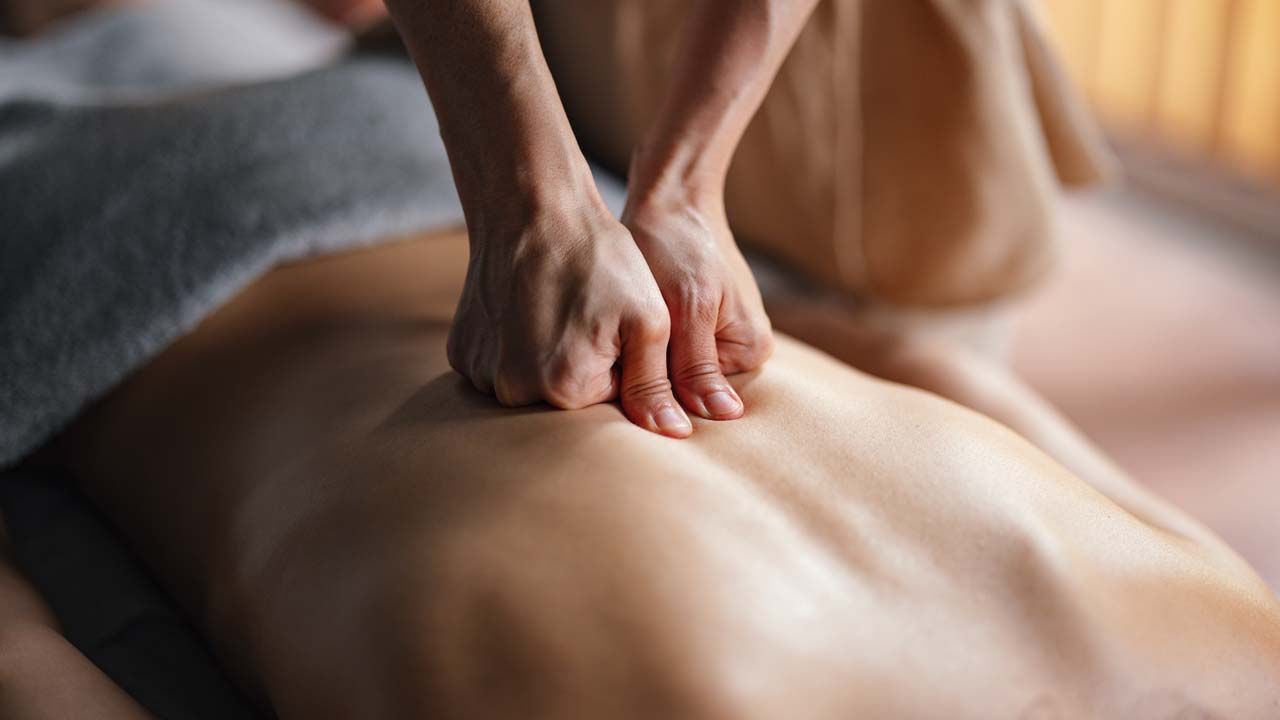
Massage therapists work with the body’s soft tissues — muscles and the connective tissues around them — using pressure, movement and targeted techniques. As tight areas, including those stubborn muscle knots, loosen, people may feel less discomfort and find it easier to move. Massage may also help ease some of the protective tension your body holds around an uncomfortable area.
Research suggests the benefit depends partly on the source of the pain. A 2024 systematic review published in JAMA Network Open found moderate-certainty evidence that massage may help reduce pain associated with certain health conditions, specifically back pain, fibromyalgia, myofascial pain and breast cancer-related pain. Still, much of the overall evidence remains low or very low certainty, meaning researchers still have plenty to sort out.
It can help your body manage stress
One reason massage may help with stress has less to do with tight muscles and more to do with your nervous system.
According to Rowell, massage can help shift your body out of its sympathetic nervous system response, often called “fight-or-flight” mode, and into a parasympathetic, or relaxed, state.
“As their system relaxes, their breathing deepens, their body softens, and that constant sense of holding everything together eases in a way they didn’t expect,” Rowell says. “Afterward, people often describe feeling clearer, calmer or more grounded than they have in a long time.”
That’s also part of why massages feel so good. Research backs up that mental shift, too. A 2024 systematic review published in the Journal of Osteopathic Medicine found that most massage-focused studies reported significant reductions in anxiety. NCCIH also notes that massage may help with anxiety and depression in some groups, though the strength of evidence varies by condition.
(Related: What Can Stress Do to Your Body?)
It may help you sleep better
Sometimes your brain is ready for bed, but your body didn’t get the memo. Pain, muscle tension and stress can also make it harder to settle in for the night. However, since massage may help address each of those sleep disruptors, the effects can sometimes follow you home from the massage table.
Rowell counts improved sleep among the most consistent benefits she sees in her work. She says massage may also support people experiencing perimenopausal or postmenopausal symptoms, when hot flashes, stress and increased muscle or joint pain can make a good night’s sleep harder to come by.
“Massage can ease many of these symptoms by calming the nervous system, improving circulation and supporting better rest,” Rowell says.
(Related: Is There a 'Best' Sleep Position?)
It can help improve mobility and range of motion
When muscles and other soft tissues around a joint tighten, they can restrict its movement and force other parts of your body to compensate in ways you may not notice. Massage therapists can focus on those tight areas, helping the surrounding tissues relax so the joint can move more freely. Rowell often sees this in people who struggle to lift their arms overhead.
“These are the kinds of issues where massage often brings quick, noticeable relief, which is why patients and providers tend to seek it out,” Rowell says.
[Related Content]
It can support comfort after surgery, illness or medical treatment
After surgery, illness or other medical treatments, people may experience stiffness, limited movement, scarring and muscle guarding — the body’s natural tendency to tighten surrounding muscles to protect sensitive areas. For patients who have been medically cleared, massage therapy can serve as one tool to help support comfort during recovery.
“Massage therapy can be a really comforting part of recovery once someone has been cleared to come into the outpatient massage room,” Rowell says.
These sessions often use gentler techniques tailored to the person’s condition and comfort level. Rowell may focus on softening tension caused by guarding, easing stiffness from limited movement or giving the nervous system a moment to settle after a long medical process.
“Even small shifts, like breathing more comfortably or feeling less tight, can make recovery feel a little easier to navigate,” she adds.
It can help people better manage chronic symptoms
For people living with chronic conditions, discomfort often triggers protective muscle tension throughout the body. That tension can make movement feel more difficult and amplify the overall experience of pain. Rowell uses lupus as an example.
During a flare, joints may ache, and the muscles around them may tighten in response. Massage can’t change the autoimmune process driving lupus, but it may help the body shift out of that high-alert state, Rowell says. As the nervous system settles and the muscles soften, some people notice they can move with less discomfort.
“The lupus hasn’t changed, but the body’s reaction to the pain has,” she adds.
What massage therapy can't do
Massage therapy can help you feel better, sometimes pretty quickly. But Rowell says the relief works best when people understand what massage is designed to do — and what it isn’t.
Massage can help reduce pain, ease tension, improve sleep and support movement, but it doesn’t replace medical treatment. If tight muscles are connected to posture, weakness, stress, an injury or an underlying condition, massage may help manage the symptoms, but it works best alongside other forms of care.
“The relief massage provides is real, but it’s temporary unless it’s supported with things like movement, strengthening and stress management,” Rowell says.
In other words, massage can be part of the plan. It just shouldn’t be the whole plan. Healthcare providers and massage therapists often view it as one tool to support comfort and well-being.
How healthcare-based massage therapy is different
Massage in a healthcare setting may look a bit different than what you might find at a spa.
“The work is more clinically focused,” Rowell says. “We start with a much more detailed intake than you’d typically see in a spa because we need to understand the patient’s medical history, symptoms and any precautions.”
That information shapes the session before it even begins. In such sessions, Rowell reviews a patient’s health history, checks for updates such as new symptoms, medication changes or flare-ups and adjusts the massage based on what her client may need that day.
That may mean changing the pressure, positioning or techniques used during the session. It may also mean focusing on a specific concern, such as pain, limited mobility or tension related to recovery, rather than following a general relaxation routine.
“The goal is still to help people feel better, but the approach is guided by their medical needs,” she adds.
[Engagement Card]
How to get the most from massage therapy
Whether you're considering your first massage or you've been getting them for years, a little planning can help you get more from each session.
Rowell recommends starting with a simple conversation. Ask about the therapist’s training and scope, share what you’re hoping to feel or change and talk through what results are realistic.
“It helps to start with a simple conversation,” Rowell says. “A quick, honest chat like that helps you understand whether massage is the right support for where you are and what you need.”
It also helps to speak up during the session. Rowell says therapists can adjust pressure, positioning and technique based on your needs, so your massage should feel supportive — not like something you have to endure.
It’s also worth discussing how massage might fit alongside any other care you’re already receiving. Massage may help you feel better, but Rowell says the benefits often last longer when people support them outside the session with other healthy habits. In other words, the massage table can help you reset. What you do afterward helps the benefits stick.
“Clients must participate in their own care once they leave the table,” says Rowell. “Over time, regular massage can help people move more comfortably, sleep better, recover from daily strain and stay ahead of tension instead of constantly chasing it.”