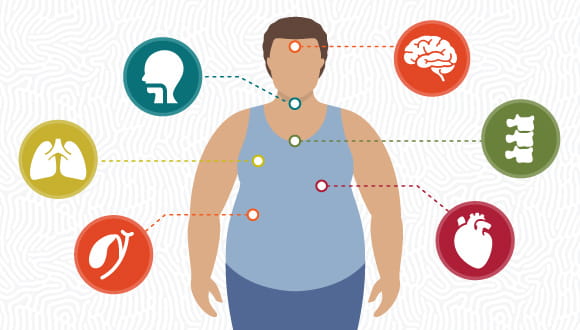


Lowering your BMI by five points has been linked to roughly half the risk of developing sinusitis. However, the weight loss has to be sustained to make a difference.
If you deal with frequent nasal congestion, postnasal drip or sinus pressure, you've probably tried just about everything to get relief: over-the-counter medications, saline rinses, maybe even prescription nasal sprays — only to have symptoms return the moment you stop.
But what if something unexpected, such as weight, could contribute to a chronic sinus problem?
It might not seem obvious at first, but research is starting to show a connection between obesity and chronic sinusitis, a condition marked by persistent inflammation of the sinuses.
Dr. Mas Takashima, an ENT doctor at Houston Methodist who specializes in treating nasal and sinus issues, explains what you need to know about the link, as well as how weight loss might help relieve your symptoms.
[Related Content]
The connection between weight and sinus health
"We've long known there's an inflammatory nature to obesity," says Dr. Takashima. "And chronic sinusitis is inherently an inflammatory condition — it's essentially inflammation of the sinuses. So it makes sense that the two could be linked."
In fact, growing evidence suggests that obesity increases the risk and severity of sinusitis. This is likely due to the whole-body immune dysregulation that occurs with being overweight.
"Adipose cells don't just store fat, they are biologically active — among other things, these cells release inflammatory molecules that can have widespread effects on the body," explains Dr. Takashima. "One such effect is inflammation in the upper airway."
Sustained weight loss can help reduce the symptoms of chronic sinus problems
Since being overweight increases the risk of sinusitis, Dr. Takashima's team theorized that weight loss might have the opposite effect.
"While the association between obesity and chronic sinusitis has been studied, the effect of weight loss hasn't — so we assessed this," says Dr. Takashima.
The study found that participants who lowered their BMI by five points had a nearly 50% lower risk of developing sinusitis compared to those who didn't lose weight.
"It's important to note this was only seen with sustained weight loss," Dr. Takashima adds. "Quick, temporary weight loss didn't offer the same benefit. The key to truly reducing sinus inflammation seems to be maintaining a lower weight over time."
[Engagement Card]
The benefits are further reaching than symptom relief
The obvious perks — fewer sinus flare-ups, less congestion and no longer needing to carry tissues everywhere — are just the beginning.
Dr. Takashima notes that since persistent inflammation in the sinuses can lead to frequent sinus infections, better control of chronic sinusitis also means reduced reliance on antibiotics, typically prescribed when the issue doesn't resolve on its own.
"Anytime we can reduce antibiotic usage to help reduce the risk of antibiotic resistance, that's a win," he adds. Antibiotics also disrupt the gut microbiome, leading to diarrhea in certain people — yet another benefit for someone prone to this side effect.
And of course, weight loss also impacts overall health, reducing the risk of common chronic conditions, including sleep apnea, high blood pressure, diabetes, high cholesterol, asthma and more. (Related: Belly Fat: Why It's So Dangerous & How to Lose It)
If you're struggling with chronic sinusitis and carrying excess weight, talk to your doctor. Following a sustainable weight loss plan might not just help you feel better overall, it might also help you breathe easier.