
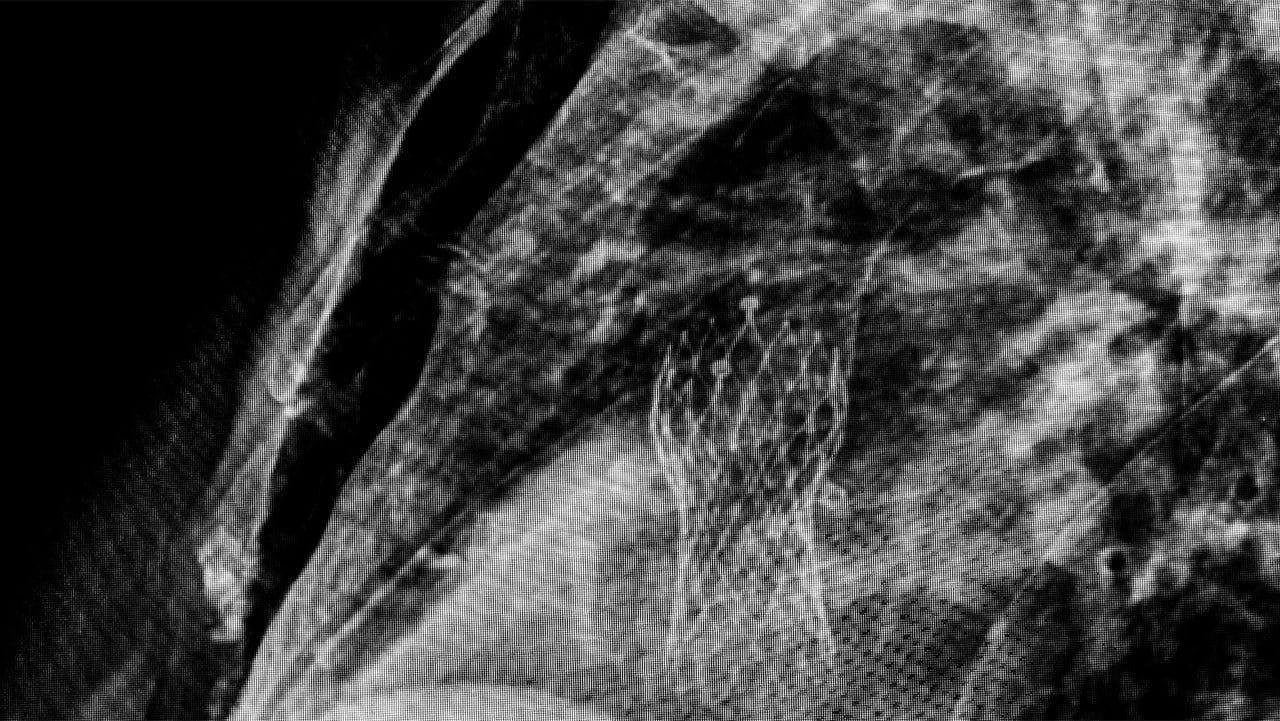

Although TAVR's equivalence with surgery in survival endpoints is now well established, new midterm data suggest differences in valve durability and reintervention patterns that may affect patient selection.
More than a decade after TAVR first went mainstream, the debate over whether its outcomes can match surgery is largely settled. But recently released six-year data from the Evolut Low Risk trial suggests a new phase emerging for aortic stenosis care — one defined by subtle but important differences in durability and reintervention rates over time.
In the latest follow-up study, investigators reported no statistically significant difference between TAVR and surgical aortic valve replacement (SAVR) in the composite endpoint of all-cause mortality or disabling stroke at six years — 23.3% for TAVR versus 20.4% for surgery. All-cause mortality alone was 20.9% with TAVR compared with 18.7% with surgery, while disabling stroke rates remained low and nearly identical (4.4% vs. 4.6%).
Rates of cardiovascular mortality were also similar between groups (11.1% TAVR vs. 11.0% SAVR), with no meaningful differences in noncardiovascular death, reinforcing the overall equivalence of the two strategies across major survival endpoints.
“TAVR remains statistically equivalent to surgery at six years for mortality, stroke and rehospitalization,” said Dr. Michael Reardon, principal investigator of the trial and Allison Family Distinguished Chair of Cardiovascular Research at Houston Methodist DeBakey Heart & Vascular Center.
The trial enrolled low-risk patients with severe, trileaflet aortic stenosis and anatomy suitable for either approach, using a self-expanding, supra-annular Evolut platform. Follow-up is planned through 10 years, positioning the study as one of the most important datasets guiding long-term decision-making in contemporary valve therapy.
Durability — and the growing importance of lifetime management
While equivalence in survival endpoints is now well established, the six-year data begin to illuminate differences in valve durability and reintervention patterns.
At six and seven years, TAVR was associated with a higher rate of valve reintervention compared with surgery, driven primarily by an increased incidence of aortic regurgitation. That difference, while modest at six years (5.5% vs. 3.3%), widened with longer follow-up, reaching 9.8% for TAVR versus 6.0% for surgery at seven years — a statistically significant divergence.
Importantly, this gap was not driven by valve narrowing, which occurred at similar rates in both groups, but by a higher incidence of regurgitation-related failure after TAVR. In the trial, reintervention for aortic regurgitation occurred more than three times as often with TAVR as with surgery, reflecting a fundamentally different pattern of valve degeneration.
Although absolute event rates remain relatively low, the trajectory of divergence over time suggests that small differences at six years could translate into clinically meaningful gaps over a patient’s lifetime.
Some of these late failures may reflect early-generation device and procedural factors. Exploratory analyses suggested that off-guidance balloon post-dilation — a technique used to optimize valve expansion — was associated with higher rates of regurgitation-related reintervention, likely due to leaflet injury. Notably, however, reinterventions were observed even in patients without such procedural factors, indicating that device design and long-term biomechanics may also play a role.
“If you live long enough, all biologic valves will fail at some point. The question is how we manage that next step — and not all patients will be candidates for a second TAVR.”
Michael Reardon, MD
Repeat intervention is increasingly recognized as a critical component of valve strategy. While valve-in-valve TAVR offers a less invasive option for some patients, anatomical constraints — including coronary obstruction risk and coronary access — may limit feasibility. In those cases, redo surgery may be required, a scenario associated with two- to threefold higher mortality risk.
Importantly, most reinterventions following TAVR in longer-term follow-up required surgical explant rather than repeat transcatheter therapy, underscoring the complexity of managing failed transcatheter valves in real-world practice.
Context from earlier data — and what comes next
The six-year findings build on prior five-year data in both low- and intermediate-risk populations showing similar survival between TAVR and surgery, along with signals of improved hemodynamics and lower rates of bioprosthetic valve dysfunction with self-expanding TAVR platforms.
Dr. Neal Kleiman, an interventional cardiologist at Houston Methodist, said the trajectory of evidence has fundamentally reshaped practice.
“With this valve, outcomes are as good as surgery out to five years, and now six,” he said. “But we’re treating patients who may live another 10 to 15 years. The key question is what happens at 10 years and beyond.”
That question is particularly relevant as TAVR expands into younger populations. Patients under 65 were underrepresented in the trial, and key subgroups — including those with bicuspid valves, significant coronary disease or the need for concomitant procedures — were excluded.
“Everybody wants TAVR, but there are still patients for whom surgery is the better option, and physicians need to take the full clinical picture into account,” Dr. Reardon said.
Although TAVR has achieved parity with surgery in early and midterm outcomes, its long-term performance may depend more heavily on patient selection, procedural technique and continued device evolution — particularly as use expands into younger patients with longer life expectancy.
“The conversation is shifting from procedural choice to lifetime strategy — balancing early benefits with durability, reintervention risk and the realities of treating structural heart disease over decades, not just at the end of life,” Dr. Reardon explained.