

Specialists are using multidisciplinary evaluation to improve pancreatic cancer diagnosis, staging and treatment planning for patients with complex disease.
Article Highlights
- Early detection remains critical, with genetic risk factors, chronic pancreatitis, pancreatic cysts and new-onset diabetes helping identify patients at elevated risk for pancreatic cancer.
- Advanced diagnostic tools, including endoscopic ultrasound, molecular fluid analysis and specialized pancreatic risk clinics, are improving evaluation of precancerous lesions and informing intervention decisions.
- Preserving biopsy tissue for molecular profiling is essential for differentiating pancreatic malignancies and guiding personalized treatment strategies.
- A multidisciplinary clinical staging approach that classifies disease as localized, borderline resectable or locally advanced can better inform treatment selection than traditional TNM staging alone.
- Collaboration across gastroenterology, pathology, medical oncology and surgical oncology supports precision oncology, expanding options such as neoadjuvant therapy, clinical trials and select liver transplantation for appropriate patients.
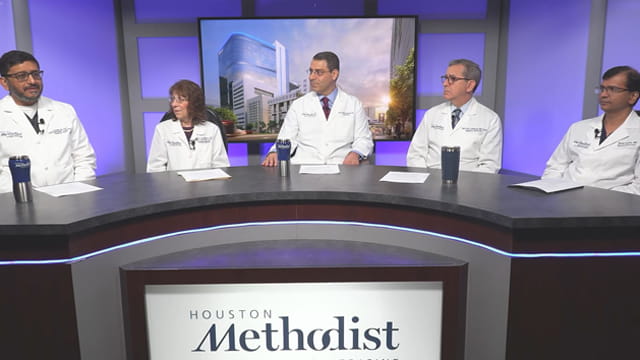
In a new roundtable video from Houston Methodist Hospital, leading specialists from the Neal Cancer Center and the Underwood Center for Digestive Health come together to discuss the latest developments in pancreatic cancer diagnosis and treatment, offering a multidisciplinary perspective on one of the most lethal malignancies in the United States.
Moderated by Dr. Maen Abdelrahim, section chief of gastrointestinal medical oncology, the panel includes Dr. Sunil Dacha, interventional gastroenterologist; Dr. Nestor Esnaola, surgical oncologist; Dr. Ashish Saharia, hepatobiliary surgeon; and Dr. Mary Schwartz, anatomic pathologist.
The group outlines a coordinated, cutting-edge approach that addresses the challenges of early detection, risk stratification, clinical staging and emerging therapies.
"Pancreatic cancer is projected to become the second leading cause of cancer-related death by 2030," said Dr. Abdelrahim. "By the time symptoms arise, the disease is often advanced, so identifying high-risk individuals is essential to improving outcomes."
Dr. Dacha emphasized the role of genetic risk, chronic pancreatitis, pancreatic cysts and new-onset diabetes in early diagnosis. He also highlighted Houston Methodist's use of endoscopic ultrasound, molecular fluid analysis and a dedicated pancreatic risk clinic to assess precancerous lesions and guide intervention decisions.
“Having a multidisciplinary tumor board is critical, not only for confirming diagnoses but also for selecting the optimal therapeutic approach — whether it's surgery, neoadjuvant therapy or clinical trials.”
Dr. Nestor Esnaola
Dr. Schwartz discussed the difficulty of distinguishing pancreatic adenocarcinoma, which accounts for approximately 95% of cases, from chronic pancreatitis and other rare pancreatic cancer variants on small biopsy samples. She stressed the need to preserve tissue for molecular profiling, which can inform personalized treatment strategies.
Dr. Saharia addressed the management of pancreatic neuroendocrine tumors, cysts and the rare but considered option of liver transplantation for carefully selected patients with liver-only metastases. He and others also emphasized the importance of supporting families and delivering holistic, compassionate care.
The discussion underscores Houston Methodist's commitment to advancing precision oncology and fostering collaboration between specialties to confront one of cancer's deadliest challenges.