

About the Center
Established in 2026, the Center for BioNanoengineering is a translation-focused center that integrates bioengineering, nanomedicine and biomaterials to deliver clinical solutions for the diagnosis, treatment and prevention of disease. Operating as a collaborative hub, the center unites faculty from across clinical and preclinical departments to foster the interdisciplinary synergy required for high-impact medical innovations. A cornerstone of the center is its research-driven educational program, dedicated to training the next generation of leaders in translational bionanoengineering and clinical innovation.
Mission
Our mission is to lead and serve as the primary institutional resource for translational research and education spanning bioengineering and nanomedicine. We provide the expertise and infrastructure to transform scientific discovery into clinical application through three core priorities:
- Innovation and translation: Design and develop bionanoengineering technology from concept to clinic
- Collaborative infrastructure: Serve as a central resource for Houston Methodist and the Texas Medical Center (TMC), providing the multidisciplinary expertise and infrastructure needed to drive high-impact medical advancement
- Research-driven education: Provide specialized training and academic programs that integrate bionanoengineering principles directly into the biomedical research environment
$8.6M
6
24
Our Leadership

Director
Frank J. and Jean Raymond Centennial Chair, Houston Methodist | Professor of Nanomedicine, Academic Institute | Member, Research Institute | Center for BioNanoengineering | Professor, Department of Surgery and Department of Radiation Oncology | Houston Methodist Hospital
Administrative Team
Christy Le
ACM Research Administrator
Martin Vu
Supervisor, Research Operations
Trinh Ma
Sr. Academic Coordinator
Core Technology Platforms & Expertise
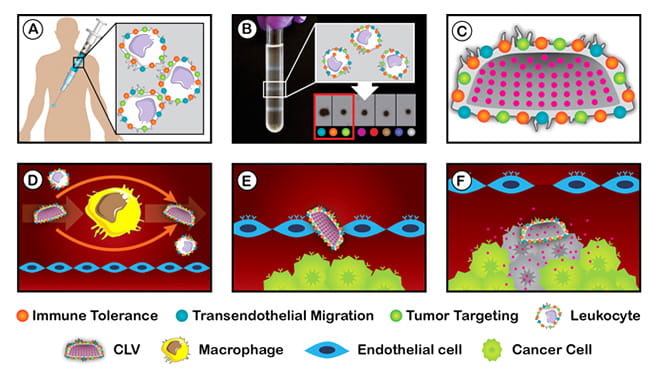
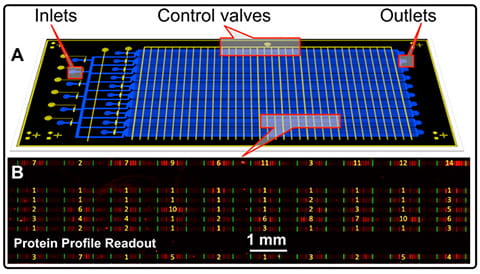
At the Center for BioNanoengineering, we conduct interdisciplinary research to combine nanoengineering, mathematical modeling and biomedical sciences to develop nanotechnology-enabled therapeutic and diagnostic platforms for combating cancer, cardiovascular disease and infectious disease. Several core technology platforms support the research work within the center including:
- Advanced engineering – Synthetic biology, medicinal chemistry, cellular engineering, immuno-nanoengineering and materials science.
- Data science – Artificial intelligence (AI) and machine-learning applications to optimize therapeutic platforms and accelerate translational bioengineering research.
- Devices – Long-acting drug-delivery implants, bio-responsive materials, cell therapy platforms and advanced imaging technologies.
- Modeling – Physiologically relevant in vitro and in vivo disease-modeling systems including organ-on-a-chip.
- Therapeutics – Advanced nanotherapeutics and drug-formulation strategies, including RNA-based platforms, lipid nanoparticle delivery systems, polymeric drugs, and next-generation vaccine development.


BioNanoengineering Research Programs
Our research initiatives cover a wide range of diseases and clinical applications including:
- Autoimmune disease – Type 1 diabetes
- Infectious disease – HIV and tuberculosis
- Oncology – Cancer and immunotherapy
- Regenerative medicine – Wound healing, tissue engineering and bioengineered organs
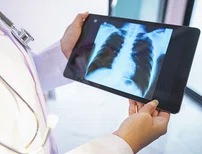
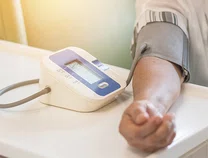
- Specialized health – Maternal, women’s and cardiovascular health
- Systemic disorders – Neurodegenerative, metabolic and mitochondrial disorders
Our research programs are supported by federal, state and foundation funding including (but not limited to):
- Breakthrough T1D
- Department of Defense (DOD)
- George J. and Angelina P. Kostas Charitable Foundation
- Golfers Against Cancer
- John S. Dunn Foundation
- Nancy Owens Breast Cancer Foundation
- National Institutes of Health (NIH) – National Cancer Institute (NCI), National Institute of Diabetes, Digestive and Kidney Diseases (NIDDK), National Institute of Allergy and Infectious Diseases (NIAID), National Heart, Lung, and Blood Institute (NHLBI)
- Gates Foundation
- U Foundation
- Vivian L. Smith Foundation




Education Initiatives
The Center for BioNanoengineering maintains partnerships with leading academic institutions across the Texas Medical Center and globally to advance translational education for the next generation of scientific leaders. Students and fellows are immersed in preclinical and clinical research environments, actively engaging in initiatives essential to medical innovation.
Interdisciplinary Mentorship
Houston Methodist Center for BioNanoengineering offers comprehensive training and mentorship for trainees at the undergraduate, Master’s, PhD, MD/PhD and MD levels.
Through strategic collaborations and international programs, the center hosts students from national and global institutions, including:
• Texas A&M University EnMed, Houston, TX, U.S.
• Texas A&M University, College Station, TX, U.S.
• Rice University, Houston, TX, U.S.
• University of Houston, Houston, TX, U.S.
• Weill Cornell Medicine, New York, NY, U.S.
• Politecnico di Torino, Turin, Italy
• Swansea University, Swansea, Wales, U.K.
These educational partnerships enable candidates to conduct their full thesis or dissertation research within the Center of BioNanoengineering laboratories, situated directly within a world-class academic and clinical environment. Additionally, undergraduate students have the opportunity to conduct research for academic credit.
If you are interested in a graduate student, internship or volunteering opportunity within any of the labs at the Center of BioNanoengineering, please contact the specific laboratory of interest.
For general information, please contact: hmcbne@houstonmethodist.org
Explore the Following
Center for BioNanoengineering Research
Houston Methodist Research Institute
6670 Bertner Ave.
Houston, TX 77030
hmcbne@houstonmethodist.org