
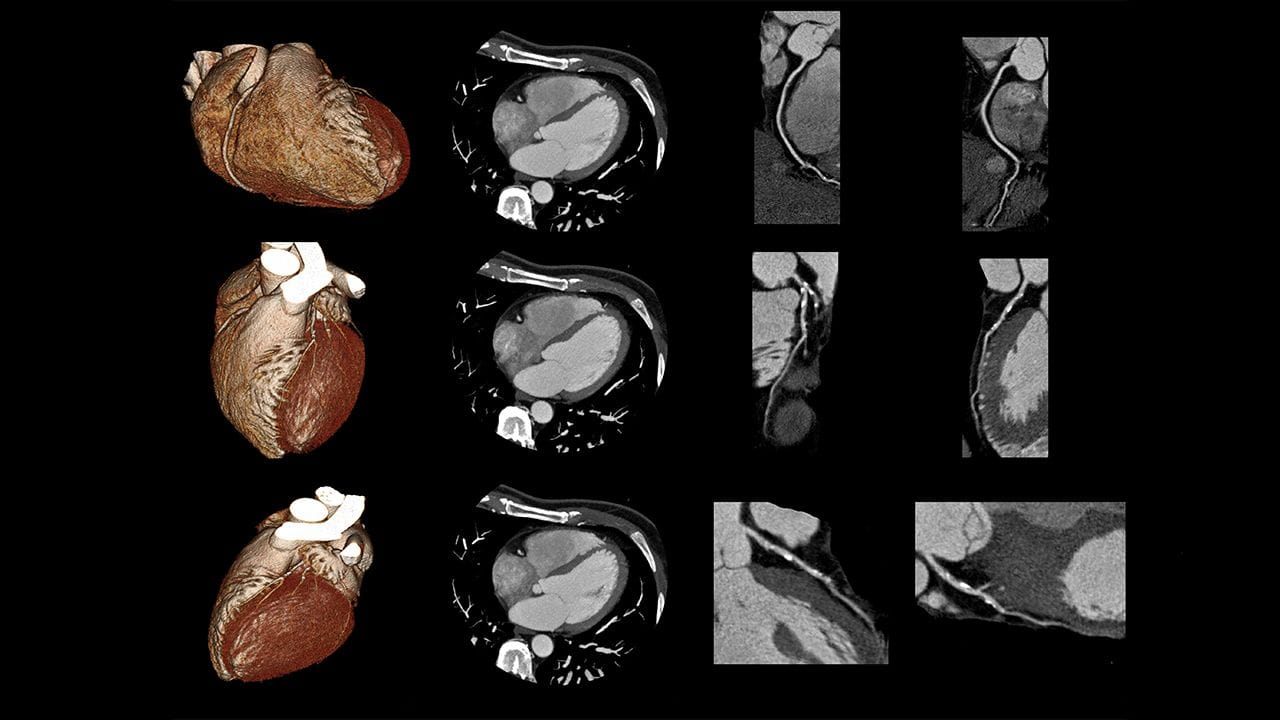

How interarterial, intramural and mixed coronary anatomy guides the selection of reimplantation, unroofing, or a combined surgical approach.
Video Highlights
Anomalous aortic origin of the left coronary artery is less common than the corresponding right-sided anomaly but is a more dangerous presentation.
Distinguishing an interarterial course from an intramural course is essential: an interarterial artery passes between the aorta and pulmonary artery, while an intramural artery shares part of the aortic wall.
Reimplantation is presented as the corrective approach for an interarterial course, with mobilization and relocation of the coronary artery to an appropriate position in the aorta.
An intramural course may develop stenosis when elevated aortic pressure, particularly during exercise, causes the shared wall to bulge into the coronary artery; the corresponding surgical strategy is unroofing.
Mixed intramural and interarterial anatomy may require both unroofing and reimplantation, particularly when unroofing does not leave the coronary ostium in the appropriate sinus.
In this whiteboard demonstration, Dr. Andrea Quarti, surgical director of the Adult Congenital Heart Disease (ACHD) program at Houston Methodist, reviews surgical management of anomalous aortic origin of the coronary arteries, with a focus on the higher-risk anomalous left coronary artery. The central clinical decision is whether the anomalous vessel follows an interarterial course, an intramural course or a combination of both. Interarterial anatomy is treated with reimplantation, whereas intramural anatomy is addressed through unroofing. Combined anatomy may require both procedures. Dr. Quarti also emphasizes careful termination of the unroofing at the coronary artery’s aortic origin and consideration of commissural anatomy to support a safe correction.