
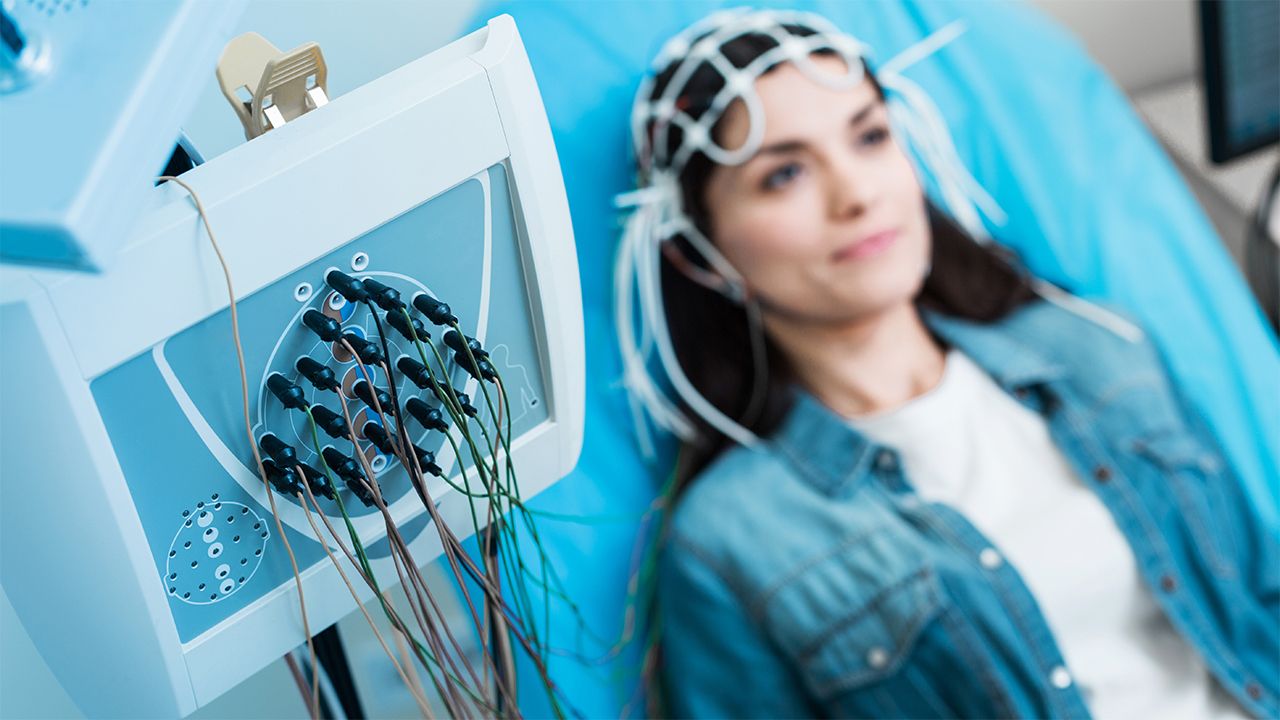

A biohybrid neural interface combines living cells and electronics to amplify motor neural signals and potentially advance peripheral nerve injury research.
Video Highlights
Biohybrid neural interfaces combine living cells with electronic components to create biological connections with neural tissue that can be stimulated and recorded, offering a potential strategy when injured or missing tissue limits conventional neural interfaces.
The approach is designed to address limitations of both cell therapy and conventional electrodes. Transplanted cells alone may not recreate the brain’s complex neural networks, while electrodes require viable cells and may be unable to interface effectively with injured tissue.
Muscle cells may function as biological signal amplifiers following peripheral nerve injury. In the laboratory approach described, transplanted myocytes formed physiological connections with motor axons and amplified signals from microvolt levels to millivolt levels that electrodes could record.
Peripheral nerve interfaces may provide a less invasive location for capturing motor information. However, extremely small neural voltages and electrical noise from surrounding muscles and the heart make direct electrode recording difficult.
The cells were transplanted safely, integrated with the nerve and enabled recordings that could not be obtained using an electrode alone. Other potential areas of investigation include spinal cord injury and traumatic brain injury.
In this whiteboard video, Dr. Damiano Barone, a Houston Methodist neurosurgeon and scientist specializing in functional and peripheral nerve surgery, discusses using biohybrid neural interfaces to address limitations associated with conventional neural interfaces and cell transplantation. He describes a laboratory strategy for peripheral nerve injury in which transplanted myocytes connect with motor axons and biologically amplify neural signals to levels detectable by electrodes. These recordings could potentially be used to control assistive devices such as robotic limbs. This work illustrates a possible research pathway for restoring access to neural information after peripheral nerve injury and, potentially, other neurological injuries.