
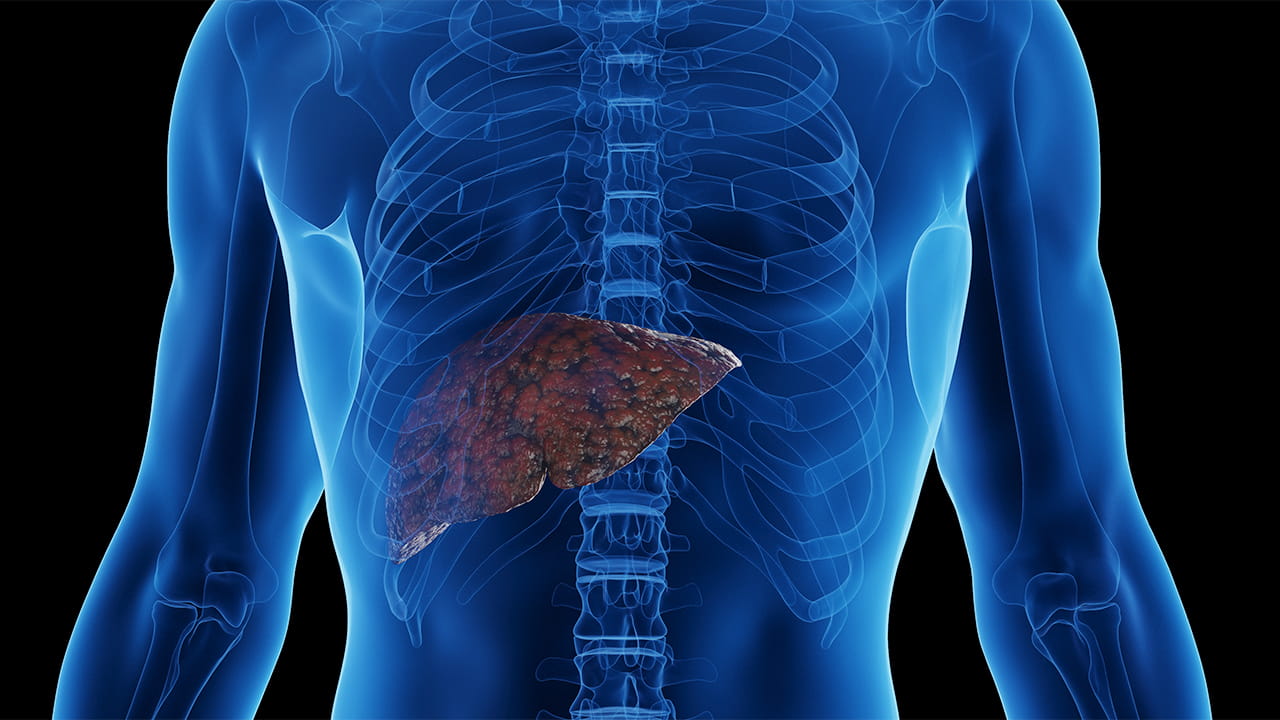

The future of MASH treatment may not be a single breakthrough drug, but carefully chosen combinations that attack the disease from multiple angles.
Until recently, the search for effective therapies for metabolic dysfunction-associated steatohepatitis (MASH) has largely focused on finding a single breakthrough drug capable of slowing — or even reversing — one of the fastest-growing causes of liver failure worldwide. But increasingly, many hepatologists believe the future of MASH treatment may look less like oncology’s early chemotherapy era and more like its modern targeted-therapy approach: combination regimens designed to attack multiple disease pathways at once.
A recent phase 2a clinical trial led in part by Houston Methodist hepatologist Dr. Mazen Noureddin offers an early glimpse into what that future could look like.
Published in the journal Nature Medicine, the randomized DUET trial evaluated the investigational oral thyroid hormone receptor-beta (THR-β) agonist TERN-501 both as a standalone therapy and in combination with the farnesoid X receptor (FXR) agonist TERN-101 in patients with presumed noncirrhotic MASH.
The study found that TERN-501 produced significant, dose-dependent reductions in liver fat over just 12 weeks, with the highest dose achieving nearly a 45% relative reduction in liver fat content compared to placebo. Researchers also observed improvements in markers of liver fibro-inflammation and favorable changes in cholesterol and lipid profiles.
Importantly, however, the combination arm yielded one of the study’s most intriguing findings: adding TERN-101 did not substantially improve liver fat reduction beyond what was already achieved with TERN-501 alone.
“That's one of the key scientific questions from the study,” Dr. Noureddin says. “Can combination therapy improve outcomes over longer durations or in fibrosis specifically? And if this particular combination doesn’t add enough efficacy, what combination will?”
That question is becoming increasingly central across the rapidly evolving MASH field.
- Happening In Liver Disease:
- What's New DDW 26
- Efruxifermin for Cirrhosis
- Short Sequence MRI
Once viewed primarily as a fatty liver disease tied to obesity and diabetes, MASH is now understood as a complex metabolic disorder involving inflammation, fibrosis, lipid metabolism and systemic metabolic dysfunction. As a result, many researchers increasingly suspect that no single therapy will adequately address all aspects of advanced disease.
“As a field, we're probably going to end up with combination therapy,” says Dr. Noureddin. “THR-beta agonists may combine well with GLP-1 therapies or FGF21 therapies. There are multiple mechanisms that may ultimately work well together.”
TERN-501 belongs to the same general drug class as resmetirom, the first FDA-approved THR-β agonist for MASH. These drugs work by targeting liver-specific thyroid hormone pathways that help reduce hepatic fat accumulation while improving lipid metabolism.
The DUET trial demonstrated that TERN-501’s effects on liver fat reduction were broadly comparable to results previously reported with resmetirom.
Researchers also emphasized the speed of response. Significant reductions in liver fat were observed as early as six weeks into treatment, and nearly two-thirds of patients receiving the highest TERN-501 dose achieved at least a 30% reduction in liver fat — a threshold previously associated with improved odds of histologic response in MASH.
Equally notable was the drug’s safety profile. Adverse event rates were generally similar to placebo, with no major cardiovascular safety signals observed during the trial.
Still, despite encouraging results, the future of TERN-501 itself remains uncertain.
As the MASH therapeutic landscape has grown increasingly crowded — particularly following the emergence of GLP-1 obesity drugs and the approval of resmetirom — Terns Pharmaceuticals has stepped back from actively advancing the asset in MASH while reevaluating broader corporate priorities.
Dr. Noureddin acknowledges the uncertainty surrounding the program’s next phase but says many clinicians continue to view both THR-β therapies broadly and TERN-501 specifically as scientifically promising.
“MASH trials are extremely difficult and extremely expensive. The question now is not whether these mechanisms work — we know they can — but what the right combinations are and how to move them forward.”
Mazen Noureddin, MD
It reflects a broader shift underway in hepatology. For decades, advanced MASH has steadily driven rising rates of liver failure, liver cancer and transplantation. Dr. Noureddin said newer metabolic therapies may eventually help slow that trajectory, though likely not overnight.
“If we identify patients early enough and these therapies continue to succeed, over time they absolutely could reduce the need for liver transplantation,” he said. “But that’s going to take years — maybe decades.”
At Houston Methodist, researchers continue helping shape that next chapter through participation in many of the field’s most closely watched metabolic liver disease trials — work aimed not only at finding better drugs, but also at defining how an entirely new generation of combination therapies may eventually transform care for patients with MASH.