

The ongoing clinical study is assessing safety while evaluating pain, swelling, mobility, functional recovery, graft integration and cartilage health.
Video Highlights
An ongoing study at Houston Methodist is evaluating autologous mesenchymal stem cells (MSCs) as an adjunct to ACL reconstruction, with the goal of addressing both postoperative recovery and the biological effects of the initial joint injury.
MSCs may support healing primarily by directing local cellular responses, including anti-inflammatory, anti-fibrotic, antibacterial and anti-apoptotic activity, rather than simply differentiating into new tissue.
Preclinical comparisons identified the infrapatellar, or Hoffa’s, fat pad as a promising MSC source because its cells demonstrated favorable initial yield, growth and potency relative to bone marrow and metabolic fat.
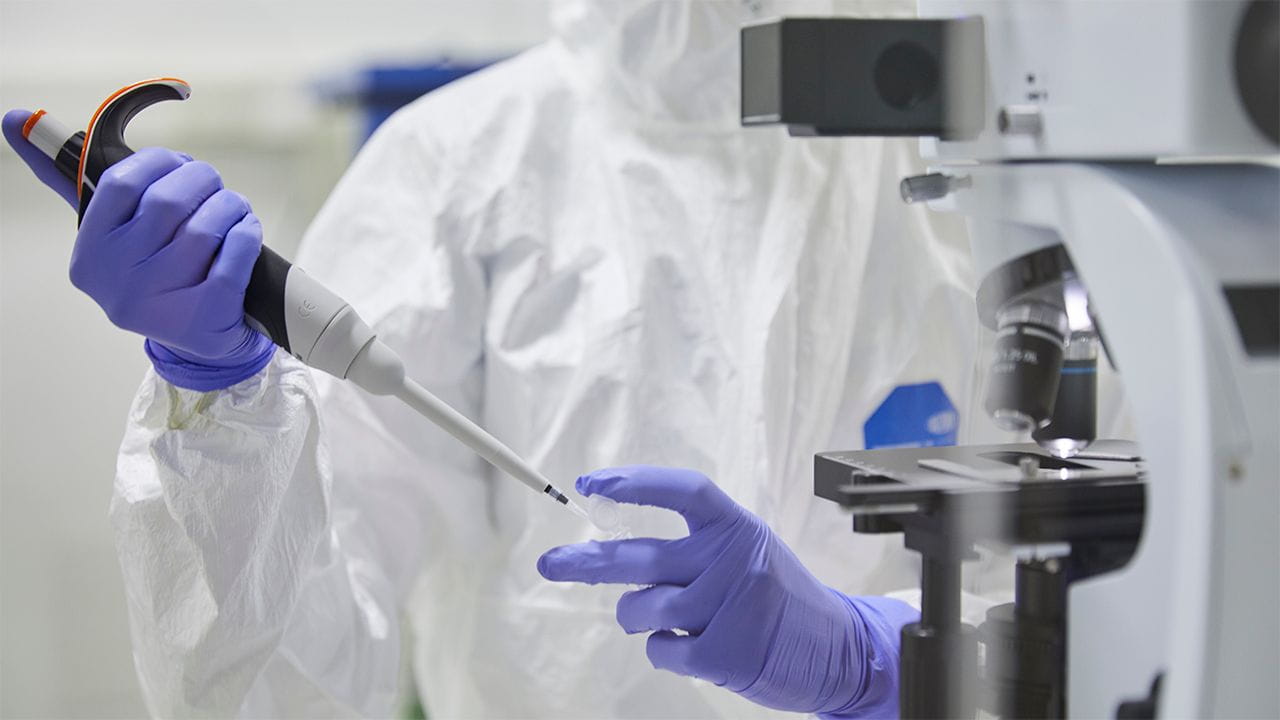
The study protocol harvests fat-pad tissue during ACL surgery, expands the isolated MSCs to 50 million cells in a cGMP facility and delivers them through an ultrasound-guided knee injection 14 days after surgery.
The study will assess safety, pain, swelling, range of motion, functional performance, return to play, graft healing and MRI markers of cartilage health, providing an early framework for evaluating the therapy’s clinical potential.
In this whiteboard overview, Dr. Patrick McCulloch describes an ongoing study examining whether autologous MSCs derived from the Hoffa’s fat pad can enhance recovery after ACL reconstruction. The research is based on the cells’ potential to regulate inflammation, fibrosis and programmed cell death while supporting the broader healing response. Through this study, he and his team are prioritizing safety while evaluating pain, swelling, mobility, functional recovery, graft integration and cartilage health. The presently enrolling study is intended to clarify whether this carefully regulated cell-therapy approach can improve outcomes or inform future orthopedic care.
This is Part 3 of series on mesenchymal stem cells (MSCs) in orthopedic surgery: